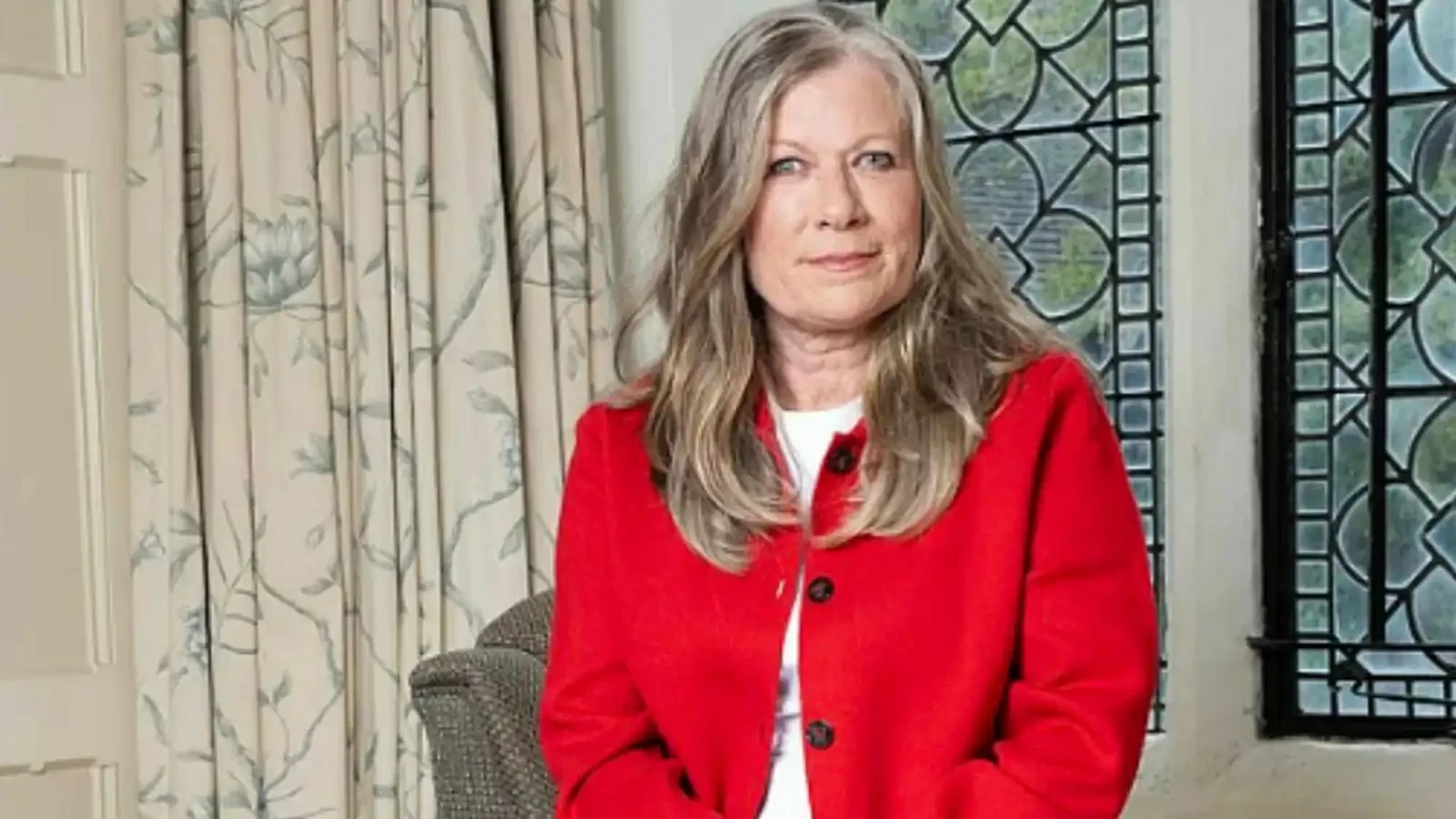
في قصة هزّت الرأي العام في بريطانيا وأعادت فتح أحد أكثر الملفات جدلاً في أوروبا، اتجهت البريطانية ويندي دافي (56 عامًا) إلى سويسرا لاتخاذ قرار إنهاء حياتها داخل عيادة متخصصة في المساعدة على الموت.
لا تتعلق حكايتها بمرض عضال أو حالة طبية ميؤوس منها، بل بدأت بفقدان ابنها الوحيد في حادثة مأساوية، وهو ما أدخلها في حالة حزن عميق استمر لسنوات، حتى وصلت (بحسب تصريحاتها) إلى مرحلة من الاكتئاب لم تعد ترى فيها معنى للاستمرار.
وبعد عام كامل من التفكير، قررت ويندي السفر إلى عيادة سويسرية معروفة في قضايا المساعدة على الموت، حيث أكدت أنها حسمت قرارها بشكل نهائي.
ويندي وصفت قرارها بأنه خيار شخصي لا رجعة فيه، مضيفة أنها رغم تمتعها بصحة جسدية جيدة، إلا أن الألم النفسي الناتج عن فقدان ابنها كان أكبر من قدرتها على التحمل.
وأشعل هذا القرار جدلاً واسعًا داخل بريطانيا، خصوصا أنه تزامن مع نقاش سياسي محتدم حول تشريع قانون يسمح بالمساعدة على الموت داخل البلاد، وهو مشروع يواجه انقسامًا حادًا بين النواب.
ويرى المؤيدون أن غياب قانون واضح يدفع البعض إلى السفر خارج البلاد، فيما يحذر المعارضون من أن توسيع هذا الحق قد يفتح الباب أمام قرارات يصعب التحقق من دوافعها وحدودها.
وبينما يحتدم الجدل داخل البرلمان البريطاني، خرجت أصوات حقوقية تطالب بإطار قانوني أكثر وضوحًا، مقابل أصوات أخرى تحذر من «منحدر خطير» قد يصعب التحكم فيه مستقبلًا.
قضية ويندي لم تعد مجرد قصة شخصية، بل تحولت إلى رمز لصراع أوسع داخل أوروبا.
In a story that shook public opinion in Britain and reopened one of the most controversial files in Europe, British woman Wendy Davy (56 years old) traveled to Switzerland to make the decision to end her life at a clinic specializing in assisted dying.
Her tale is not about a terminal illness or a hopeless medical condition, but rather began with the loss of her only son in a tragic accident, which plunged her into a deep state of grief that lasted for years, until she reached (according to her statements) a stage of depression where she no longer saw any meaning in continuing.
After a full year of contemplation, Wendy decided to travel to a well-known Swiss clinic for assisted dying, where she confirmed that she had made her decision definitively.
Wendy described her decision as an irreversible personal choice, adding that despite being in good physical health, the psychological pain resulting from the loss of her son was greater than her ability to bear.
This decision sparked widespread controversy within Britain, especially as it coincided with a heated political debate about legislating a law that would allow assisted dying in the country, a proposal facing sharp division among lawmakers.
Supporters argue that the absence of a clear law drives some to travel abroad, while opponents warn that expanding this right could open the door to decisions whose motives and limits are difficult to verify.
As the debate intensifies within the British Parliament, human rights voices have emerged calling for a clearer legal framework, alongside other voices warning of a "slippery slope" that may be difficult to control in the future.
Wendy's case has transformed from a mere personal story into a symbol of a broader struggle within Europe.