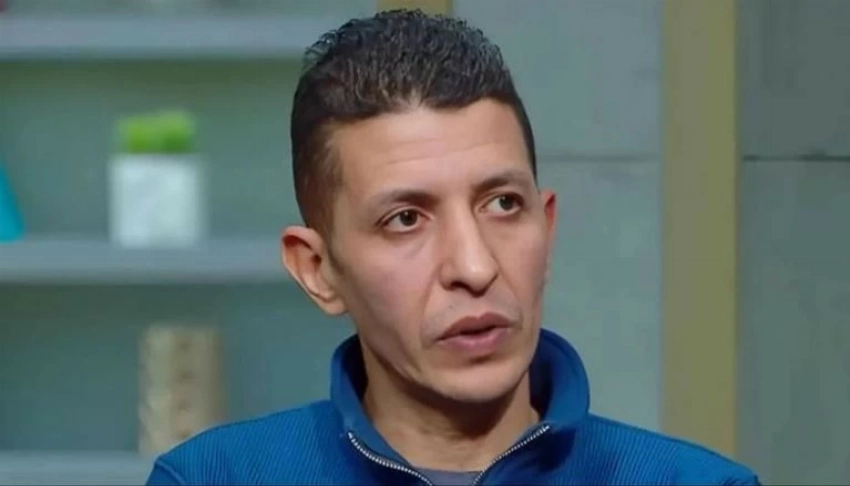
عادت قضية الشاب المصري «إسلام الضائع» الذي خطف رضيعاً قبل أكثر من 43 عاماً، إلى الواجهة بأزمة جديدة أثارت جدلاً واسعاً على وسائل التواصل الاجتماعي.
فبعد أيام قليلة من بث مباشر أعلن فيه تطابق نتائج تحليل البصمة الوراثية (DNA) مع أسرة ليبية كبيرة تضم 20 شقيقاً، تراجع إسلام عن الإعلان، مؤكداً أن النتيجة كانت سلبية في النهاية، وأن هذه الأسرة ليست عائلته الحقيقية.
جاء التراجع بعد بوست نشره مؤسس صفحة «أطفال مفقودة» الشهيرة، الذي تواصل مباشرة مع المعمل المختص وأكد لإسلام أنه يعرف النتيجة الحقيقية منذ البداية، وأنها لا تطابق.
وأوضح مؤسس الصفحة، في بوست على صفحته الشخصية على «فيسبوك»، أنه حذر إسلام من الإعلان المبكر، لكن الأمر تطور إلى أزمة عامة أثارت تساؤلات حول دقة التحاليل وسرعة الإعلانات العاطفية.
وتعود أحداث القصة إلى أكثر من 43 عاماً، حين ولد إسلام في الإسكندرية لأب ليبي الجنسية وأم مصرية كانت الأسرة تقيم في منطقة العامرية، أصيب الرضيع بوعكة صحية، فنُقل إلى مستشفى الشاطبي، حيث خطفته سيدة تُدعى عزيزة السعداوي (المعروفة إعلامياً بـ«عزيزة بنت إبليس»)، التي كانت تعاني من العقم واعتادت خطف الأطفال لتربيتهم.
أقنعت عزيزة الأسرة بوفاة الطفل، ثم ربته كابنها، واكتشف إسلام الحقيقة بعد وفاة «عزيزة»، وبدأ رحلة بحث شاقة استمرت سنوات، أجرى خلالها أكثر من 57 تحليلاً للحمض النووي مع عائلات مختلفة، جميعها انتهت بنتائج سلبية.
وأعاد مسلسل «حكاية نرجس» (الذي عرض في رمضان 2026) القصة إلى الواجهة، مما دفع الكثيرين للمساعدة في البحث.
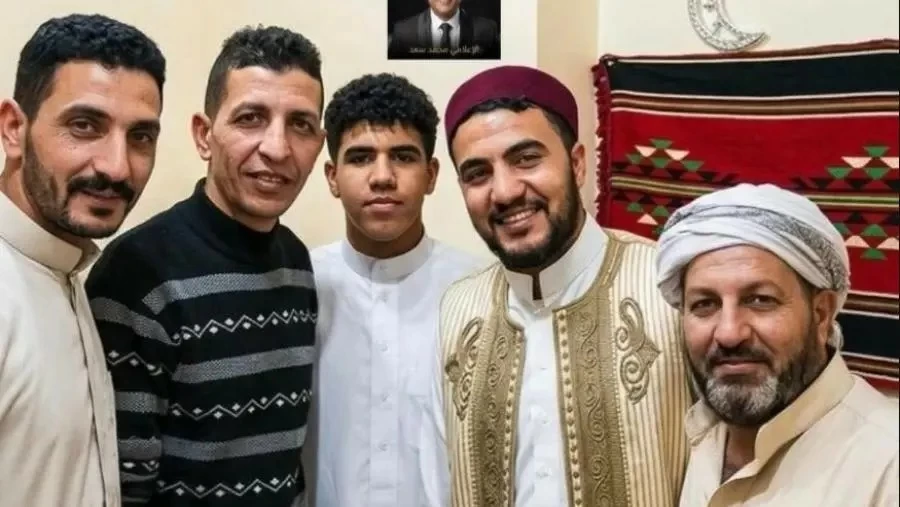
وفي منتصف أبريل 2026، أعلن إسلام عبر بث مباشر على «تيك توك» أنه عثر أخيراً على أسرته: اسمه الحقيقي محمد ميلاد رزق صالح، وهو الابن الرابع بين 21 شقيقاً (9 ذكور و11 أنثى)، من أب ليبي وأم مصرية، والعائلة تنتمي إلى منطقة القبة شرق ليبيا مع جذور في الإسكندرية، وظهر في البث برفقة أشخاص يرتدون الزي الليبي، ووصف اللحظة بـ«الإحساس الذي لا يُوصف».
لكن سرعان ما انقلبت الفرحة إلى أزمة. نشر مؤسس صفحة «أطفال مفقودة» بوستراً كشف فيه أن نتيجة التحاليل سلبية، وأن إسلام كان على علم بذلك، مما دفع الشاب إلى التراجع العلني وتأكيد أن الأسرة الليبية ليست عائلته البيولوجية.
The case of the Egyptian young man "Islam the Lost," who kidnapped a baby more than 43 years ago, has resurfaced with a new crisis that sparked widespread controversy on social media.
Just a few days after a live broadcast in which he announced a match in the DNA test results with a large Libyan family consisting of 20 siblings, Islam retracted the announcement, confirming that the result was ultimately negative and that this family is not his real family.
The retraction came after a post published by the founder of the famous "Missing Children" page, who communicated directly with the specialized lab and confirmed to Islam that he knew the true result from the beginning and that it did not match.
The page's founder explained in a post on his personal Facebook page that he had warned Islam against the premature announcement, but the situation evolved into a public crisis that raised questions about the accuracy of the analyses and the speed of emotional announcements.
The events of the story date back more than 43 years, when Islam was born in Alexandria to a Libyan father and an Egyptian mother, and the family lived in the Al-Amiriya area. The infant suffered a health crisis and was taken to Al-Shatbi Hospital, where he was kidnapped by a woman named Aziza Al-Saadawi (known in the media as "Aziza the Daughter of Iblis"), who was suffering from infertility and had a habit of kidnapping children to raise them.
Aziza convinced the family that the child had died, then raised him as her own. Islam discovered the truth after Aziza's death and began a long search that lasted for years, during which he conducted more than 57 DNA tests with different families, all of which ended with negative results.
The series "The Story of Nargis" (which aired in Ramadan 2026) brought the story back to the forefront, prompting many to help in the search.
In mid-April 2026, Islam announced via a live broadcast on TikTok that he had finally found his family: his real name is Mohamed Milad Rizq Saleh, and he is the fourth son among 21 siblings (9 males and 11 females), from a Libyan father and an Egyptian mother. The family belongs to the Al-Quba area in eastern Libya with roots in Alexandria, and he appeared in the broadcast alongside people wearing Libyan attire, describing the moment as "an indescribable feeling."
However, joy quickly turned into a crisis. The founder of the "Missing Children" page published a post revealing that the test results were negative and that Islam was aware of this, prompting the young man to publicly retract and confirm that the Libyan family is not his biological family.