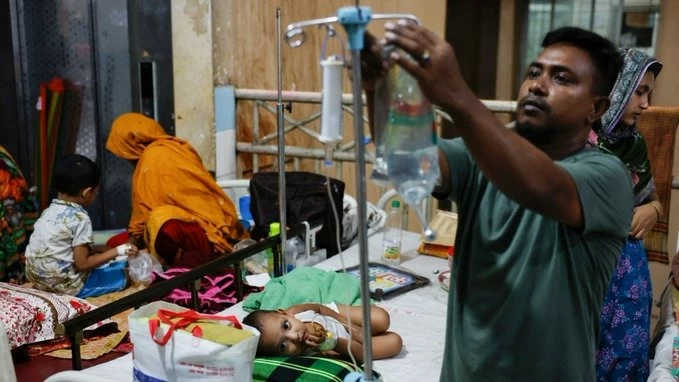
حذرت منظمة أنقذوا الأطفال الدولية من أن بنغلاديش تواجه أسوأ تفشٍ لمرض الحصبة منذ نحو عقد من الزمان، حيث أصيب أكثر من 6400 طفل في 56 مقاطعة، مع تسجيل 98 حالة وفاة مشتبه بها.
وأشارت المنظمة إلى أن العاصمة دكا، ومنطقة كوكس بازار التي تضم أكبر مخيم للاجئين في العالم، بالإضافة إلى المناطق الحضرية المكتظة بالسكان، تشهد أعداداً كبيرة من الحالات، حيث يُعد الأطفال الرضع الذين تقل أعمارهم عن تسعة أشهر الأكثر تضرراً، نظراً لعدم إمكانية تطعيمهم بعد.
وقال غلام مثابر، رئيس قطاع الصحة والتغذية في منظمة أنقذوا الأطفال في بنغلاديش: «ستكون اللقاحات حاسمة لإبطاء تفشي الحصبة ومنع المزيد من الحالات والوفيات»، مضيفا أن استمرار التفشي يشكل ضغطاً كبيراً على النظام الصحي، محذراً من أنه «إذا لم يتم توفير كميات كافية من اللقاحات أو استمرار حملات التطعيم، فسيستمر المرض في الانتشار، وستظل أقسام طب الأطفال ممتلئة».
وتأتي هذه التحذيرات في وقت أطلقت فيه الحكومة البنغلاديشية، بدعم من منظمة الصحة العالمية ويونيسف وتحالف غافي، حملة تطعيم طارئة ضد الحصبة والحصبة الألمانية، تستهدف أكثر من 1.2 مليون طفل في المراحل الأولى، مع خطط للتوسع تدريجياً على مستوى البلاد.
ويُعد مرض الحصبة من أكثر الأمراض المعدية خطورة، وهو ينتشر بسرعة كبيرة في المناطق المكتظة ذات معدلات التطعيم المنخفضة، حيث يتطلب تحقيق المناعة المجتمعية تغطية تطعيمية تصل إلى 95% على الأقل، وفي بنغلاديش.
وأدى انخفاض معدلات التطعيم في السنوات الأخيرة (بسبب جائحة كورونا وتحديات لوجستية أخرى) إلى تراكم أعداد كبيرة من الأطفال غير المحميين، مما مهد للتفشي الحالي.
تُعد منطقة كوكس بازار، التي تضم نحو مليون لاجئ روهينجا، من أكثر المناطق عرضة للخطر بسبب الاكتظاظ الشديد وضعف الخدمات الصحية، كما أن الرضع دون سن التطعيم (9 أشهر) يشكلون الفئة الأكثر هشاشة، حيث لا يملكون مناعة كافية.
وتشير التقارير إلى أن الحكومة البنغلاديشية بدأت حملة تطعيم واسعة النطاق منذ 5 أبريل 2026، بهدف احتواء التفشي قبل أن يتحول إلى كارثة صحية أكبر. ومع ذلك، يحذر الخبراء من أن نجاح الحملة يعتمد على توفير اللقاحات بكميات كافية ووصولها إلى المناطق النائية والمخيمات.
The international organization Save the Children has warned that Bangladesh is facing the worst outbreak of measles in nearly a decade, with over 6,400 children infected in 56 districts, and 98 suspected deaths recorded.
The organization noted that the capital Dhaka, along with the Cox's Bazar area, which houses the largest refugee camp in the world, as well as densely populated urban areas, are witnessing large numbers of cases, with infants under nine months old being the most affected, as they cannot be vaccinated yet.
Ghulam Mithabar, head of the health and nutrition sector at Save the Children in Bangladesh, said: “Vaccines will be crucial to slowing the spread of measles and preventing further cases and deaths,” adding that the ongoing outbreak is putting significant pressure on the health system, warning that “if sufficient quantities of vaccines are not provided or vaccination campaigns do not continue, the disease will continue to spread, and pediatric wards will remain full.”
These warnings come at a time when the Bangladeshi government, with support from the World Health Organization, UNICEF, and Gavi Alliance, has launched an emergency vaccination campaign against measles and rubella, targeting over 1.2 million children in the early stages, with plans for gradual nationwide expansion.
Measles is one of the most dangerous infectious diseases, spreading rapidly in overcrowded areas with low vaccination rates, where achieving community immunity requires vaccination coverage of at least 95%, particularly in Bangladesh.
The decline in vaccination rates in recent years (due to the COVID-19 pandemic and other logistical challenges) has led to a large accumulation of unprotected children, paving the way for the current outbreak.
The Cox's Bazar area, which hosts around one million Rohingya refugees, is one of the most at-risk regions due to severe overcrowding and weak health services, and infants below vaccination age (9 months) represent the most vulnerable group, as they lack sufficient immunity.
Reports indicate that the Bangladeshi government began a large-scale vaccination campaign on April 5, 2026, aiming to contain the outbreak before it turns into a larger health disaster. However, experts warn that the success of the campaign depends on providing sufficient quantities of vaccines and ensuring they reach remote areas and camps.