ألغت المحكمة الدستورية النمساوية قراراً عسكرياً سابقاً كان يحظر على الجنود الذكور إطالة شعرهم، معتبرة أن هذا الإجراء ينتهك مبدأ المساواة بين الجنسين داخل المؤسسة العسكرية.
جاء الحكم على خلفية شكوى تقدم بها أحد الجنود بعد تغريمه مبلغ 2,200 يورو بسبب اعتماده تسريحة «ذيل الحصان»، مخالفاً بذلك اللوائح العسكرية التي كانت تلزم الرجال بقصات شعر قصيرة لا تلامس الياقة.
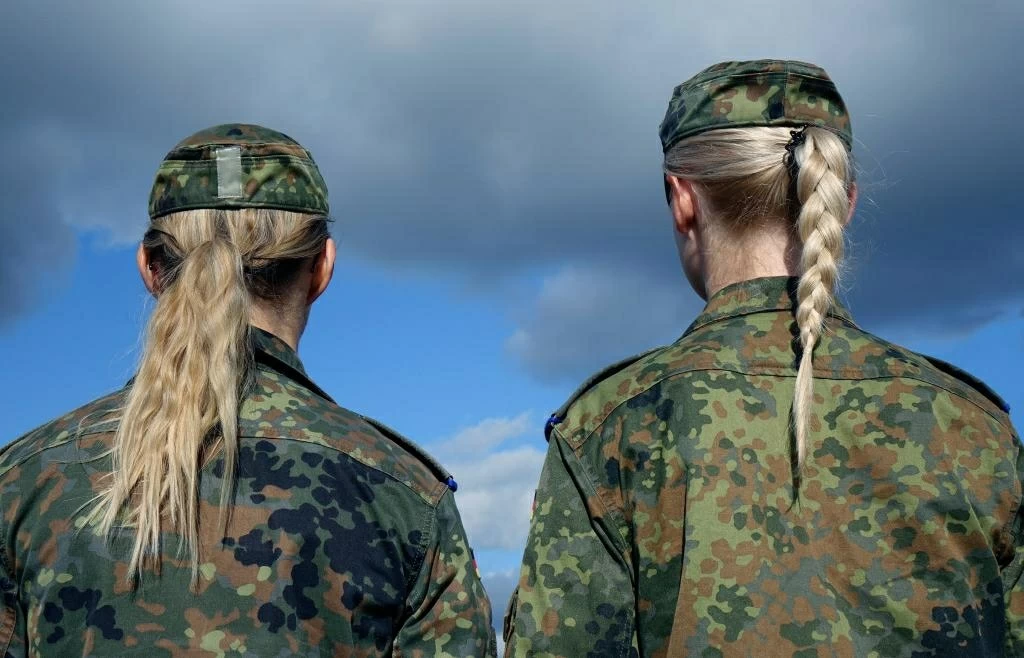
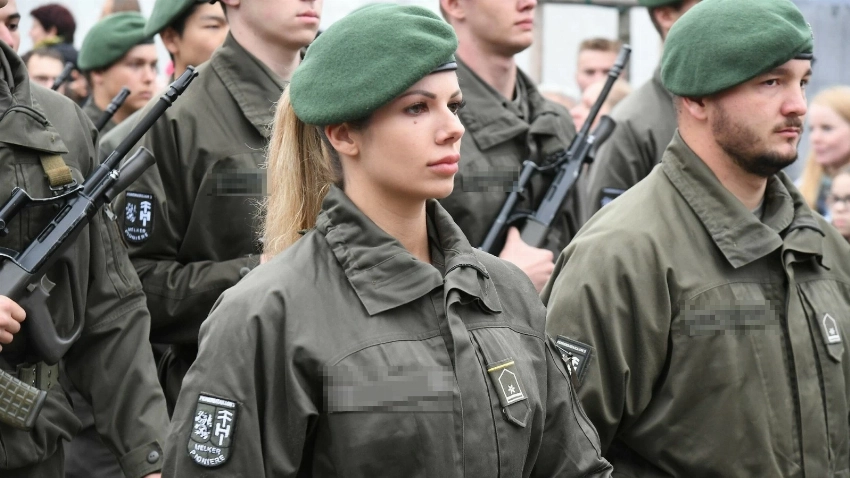
وأوضحت المحكمة في حكمها الصادر يوم الخميس الماضي أن القواعد السابقة تميز بشكل واضح بين الرجال والنساء، إذ تسمح اللوائح العسكرية للجنديات بإطالة الشعر واعتماد تسريحات متنوعة مثل الضفائر أو الشعر المرفوع.
واعتبرت المحكمة هذا التمييز إخلالاً بمبدأ تكافؤ الفرص وانتهاكاً لمبدأ المساواة المنصوص عليه في الدستور النمساوي.
ودافعت وزيرة الدفاع كلوديا تانر عن القرار الملغى أمام المحكمة، مشيرة إلى اعتبارات تتعلق بالنظافة والسلامة وتقليل مخاطر الإصابة أثناء الخدمة، إلا أن القضاة رفضوا هذه المبررات، مؤكدين أنها لا تُطبق بشكل متساوٍ على الجنسين، وأنها لا تبرر التمييز.
وأضافت المحكمة أن فرض قيود صارمة على تسريحات شعر الرجال دون النساء يمس أيضاً الحق في الخصوصية، مشددة على ضرورة أن تكون كل اللوائح العسكرية متوافقة مع أحكام الدستور.
وبموجب الحكم، أصبح لزاماً على الجيش النمساوي (البوندسهاير) تعديل قواعده الخاصة بالمظهر الشخصي فوراً، ووضع لائحة جديدة تنظم تسريحات الشعر بشكل موحد يشمل الرجال والنساء على حدٍّ سواء.
وتعود اللوائح العسكرية الملغاة إلى عام 2017، إذ كانت تنص على أن شعر الجنود الذكور يجب أن يكون قصيراً بحيث لا يلامس الياقة، ولا يغطي العينين أو الأذنين، بهدف الحفاظ على مظهر موحد ومهني، أما الجنديات، فكن يُسمح لهن بإطالة الشعر بشرط تثبيته بطريقة لا تعيق المهمات العسكرية.
ويُعد هذا الحكم جزءاً من اتجاه أوسع في المحاكم الأوروبية نحو تعزيز المساواة الجندرية في المؤسسات العامة، بما في ذلك الجيوش، وسبق أن أثارت قضايا مشابهة جدلاً في دول أخرى مثل ألمانيا وبريطانيا حول توازن بين التقاليد العسكرية والحقوق الفردية.
وأعرب متحدث باسم وزارة الدفاع النمساوية عن أن الوزارة ستدرس الحكم وستعمل على تطبيقه، مع الحرص على الحفاظ على الجاهزية العملياتية والانضباط داخل القوات المسلحة. ومن المتوقع أن يفتح الحكم الباب أمام جنود ذكور آخرين كانوا يواجهون عقوبات مشابهة بسبب تسريحات شعرهم.
The Austrian Constitutional Court has annulled a previous military decision that prohibited male soldiers from growing their hair long, considering that this measure violates the principle of gender equality within the military institution.
The ruling came following a complaint filed by a soldier who was fined 2,200 euros for adopting a "ponytail" hairstyle, thus violating military regulations that required men to have short haircuts that do not touch the collar.
The court clarified in its ruling issued last Thursday that the previous rules clearly discriminated between men and women, as military regulations allowed female soldiers to grow their hair and adopt various hairstyles such as braids or updos.
The court deemed this discrimination a violation of the principle of equal opportunity and a breach of the equality principle enshrined in the Austrian Constitution.
Defense Minister Claudia Tanner defended the annulled decision before the court, citing considerations related to hygiene, safety, and reducing the risk of injury during service; however, the judges rejected these justifications, affirming that they were not applied equally to both genders and that they did not justify discrimination.
The court added that imposing strict restrictions on men's hairstyles without similar regulations for women also infringes on the right to privacy, emphasizing that all military regulations must comply with constitutional provisions.
According to the ruling, the Austrian Army (Bundesheer) is now required to immediately amend its personal appearance rules and establish a new regulation that standardizes hairstyles for both men and women alike.
The annulled military regulations dated back to 2017, stipulating that male soldiers' hair must be short enough not to touch the collar and not cover the eyes or ears, in order to maintain a uniform and professional appearance. In contrast, female soldiers were allowed to grow their hair as long as it was secured in a way that did not hinder military duties.
This ruling is part of a broader trend in European courts towards promoting gender equality in public institutions, including armies, and similar cases have previously sparked debate in other countries such as Germany and the UK regarding the balance between military traditions and individual rights.
A spokesperson for the Austrian Ministry of Defense expressed that the ministry will study the ruling and work on its implementation, while ensuring operational readiness and discipline within the armed forces. The ruling is expected to open the door for other male soldiers who faced similar penalties due to their hairstyles.