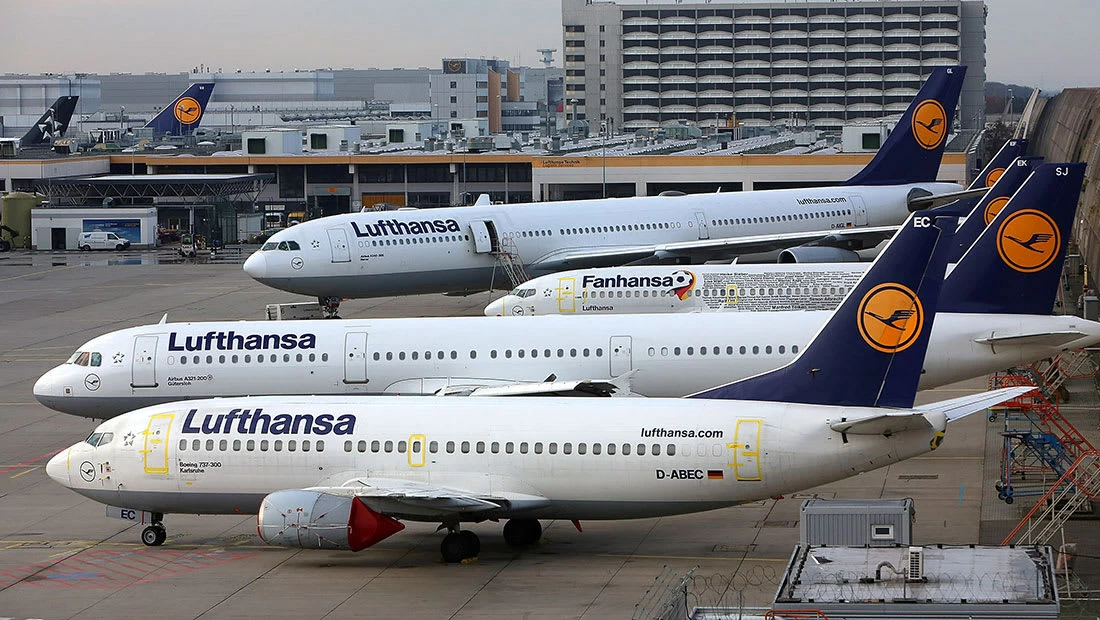
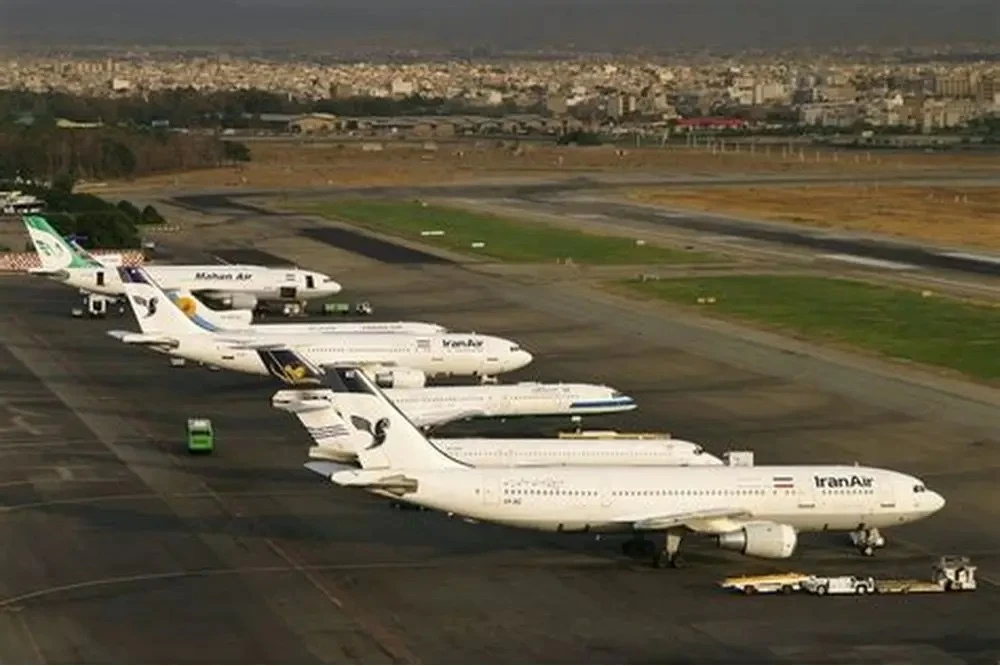
أطلقت وكالة سلامة الطيران الأوروبية تحذيراً جديداً من تزايد المخاطر التي تواجه قطاع الطيران العالمي، محذرةً من تصاعد الصراعات الدولية، وعلى رأسها التوترات المتفاقمة في منطقة الشرق الأوسط، والتي أدت إلى تقليص واسع للمسارات الجوية وارتفاع مستويات التهديد على الطائرات المدنية.
وأصدرت الوكالة نشرة معلومات مناطق النزاع، التي مددت صلاحيتها حتى 10 أبريل القادم، داعية شركات الطيران الأوروبية والدولية إلى تجنب التحليق في أجواء دول عدة في المنطقة على كل الارتفاعات والمستويات الجوية.
وشمل التحذير أجواء كل من: إيران، العراق، إسرائيل، الأردن، لبنان، الكويت، البحرين، قطر، الإمارات العربية المتحدة، عمان، والمملكة العربية السعودية (في منطقة FIR جدة)، مع استثناءات محدودة في أجزاء جنوبية من السعودية وعمان عند ارتفاعات عالية جداً (FL320 فما فوق).
وقالت الوكالة الأوروبية إن المنطقة أصبحت عرضة لمخاطر عالية تشمل: خطر التدفق الجانبي للصواريخ والطائرات المسيرة، أنظمة الدفاع الجوي القادرة على العمل على كل الارتفاعات، الصواريخ الباليستية والكروز، واحتمال وقوع حوادث سوء التعرف أو سوء الحساب أو فشل إجراءات الاعتراض العسكرية.
وتسبب التصعيد في إغلاق أو تقييد واسع لأجواء دول الخليج والشرق الأوسط، مما أجبر شركات الطيران على إعادة توجيه رحلاتها الطويلة بين أوروبا وآسيا عبر ممرات جوية بديلة أضيق وأطول، خاصة عبر ممر القوقاز (جورجيا وأذربيجان) شمالاً، أو عبر مصر وغرب السعودية وعمان جنوباً، وأدى ذلك إلى زيادة زمن الرحلات بين ساعتين وخمس ساعات، وارتفاع تكاليف الوقود، وزيادة الازدحام على الممرات البديلة.
كما أثر الوضع على مطارات رئيسية مثل دبي وأبوظبي والدوحة، التي شهدت تعليقاً مؤقتاً أو تقليصاً في العمليات، مما أدى إلى إلغاء آلاف الرحلات أو تأخيرها، وارتفاع أسعار التذاكر على الطرق المتأثرة.
وحذرت الوكالة الأوروبية من أن استمرار النشاط العسكري والتوترات الإقليمية يزيد من مخاطر «سوء التعرف» على الطائرات المدنية، خاصة مع انتشار أنظمة الدفاع الجوي المتقدمة والأصول الجوية القادرة على العمل بكل الارتفاعات، مؤكدة أنها، بالتعاون مع المفوضية الأوروبية والدول الأعضاء، تراقب الوضع بشكل مستمر لتقييم أي تغيّرات في مستوى التهديد.
The European Union Aviation Safety Agency has issued a new warning about the increasing risks facing the global aviation sector, cautioning against the escalation of international conflicts, particularly the worsening tensions in the Middle East, which have led to a wide reduction in flight routes and heightened threat levels to civil aircraft.
The agency released a conflict zone information bulletin, extending its validity until April 10, calling on European and international airlines to avoid flying in the airspace of several countries in the region at all altitudes and flight levels.
The warning included the airspace of: Iran, Iraq, Israel, Jordan, Lebanon, Kuwait, Bahrain, Qatar, the United Arab Emirates, Oman, and Saudi Arabia (in the FIR Jeddah area), with limited exceptions in southern parts of Saudi Arabia and Oman at very high altitudes (FL320 and above).
The European agency stated that the region has become susceptible to high risks including: the risk of lateral missile and drone flows, air defense systems capable of operating at all altitudes, ballistic and cruise missiles, and the potential for incidents of misidentification, miscalculation, or failure of military interception procedures.
The escalation has resulted in the widespread closure or restriction of the airspace of Gulf and Middle Eastern countries, forcing airlines to reroute their long-haul flights between Europe and Asia through narrower and longer alternative air corridors, particularly via the Caucasus (Georgia and Azerbaijan) to the north, or through Egypt and western Saudi Arabia and Oman to the south, leading to an increase in flight times by two to five hours, rising fuel costs, and increased congestion on alternative routes.
The situation has also impacted major airports such as Dubai, Abu Dhabi, and Doha, which have experienced temporary suspensions or reductions in operations, resulting in the cancellation or delay of thousands of flights, and rising ticket prices on affected routes.
The European agency warned that the continuation of military activity and regional tensions increases the risks of "misidentification" of civil aircraft, especially with the proliferation of advanced air defense systems and aerial assets capable of operating at all altitudes, emphasizing that it, in cooperation with the European Commission and member states, is continuously monitoring the situation to assess any changes in the threat level.