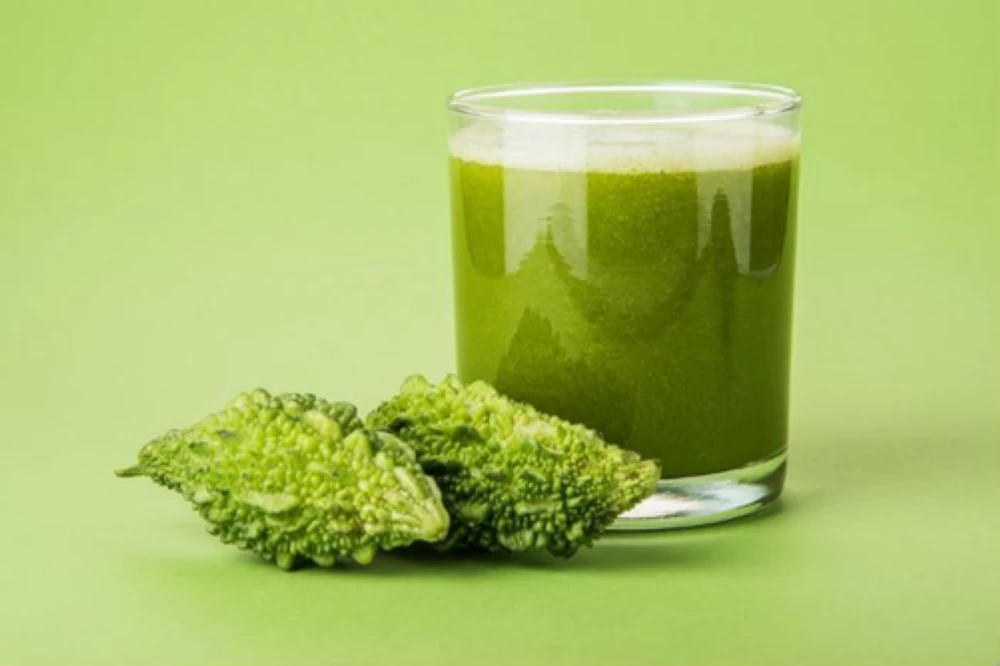
كشفت دراسة علمية حديثة أن ثمار القرع المر تحتوي على مركبات تتمتع بفعالية كبيرة في مكافحة داء السكري والأورام الخبيثة.
استخدامات وتحليل مكونات الثمرة
وأوضح الباحثون أن القرع المر يُستخدم على نطاق واسع في الطب الشعبي في آسيا وأفريقيا، لما يُعرف عنه من فوائد عديدة، ما دفعهم إلى دراسة مكوناته المفيدة، حيث قاموا بتحليل أجزاء مختلفة من الثمرة، تشمل القشرة واللب والبذور، في حالتيها الطازجة والمجففة.
وأظهرت النتائج أن أعلى نسبة من المركبات الفينولية، مثل حمض الغاليك وحمض الروزمارينيك، إضافة إلى الريسفيراترول، تتركز في الثمرة المجففة، خصوصاً في القشرة.
تأثير على إنزيم مرتبط بالسكر
وبيّنت التجارب المخبرية أن المستخلصات المستخرجة من القرع المر قادرة على تثبيط نشاط إنزيم «ألفا أميليز»، المسؤول عن تكسير الكربوهيدرات ورفع مستويات السكر في الدم، ما يشير إلى تأثير محتمل في مكافحة السكري، كما أظهرت بعض المستخلصات فعالية سامة تجاه الخلايا السرطانية.
الحاجة إلى مزيد من الأبحاث
وأكد العلماء ضرورة إجراء مزيد من الدراسات على الحيوانات والبشر للتحقق من فعالية هذه النبتة، مشيرين إلى أن النتائج تسلط الضوء على إمكانات القرع المر كمصدر للمركبات النشطة بيولوجياً لتطوير أساليب علاجية جديدة.
A recent scientific study revealed that bitter melon fruits contain compounds that are highly effective in combating diabetes and malignant tumors.
Uses and Analysis of the Fruit's Components
Researchers explained that bitter melon is widely used in traditional medicine in Asia and Africa, known for its numerous benefits, which prompted them to study its beneficial components. They analyzed different parts of the fruit, including the skin, pulp, and seeds, in both fresh and dried forms.
The results showed that the highest concentration of phenolic compounds, such as gallic acid, rosmarinic acid, and resveratrol, is found in the dried fruit, particularly in the skin.
Effect on an Enzyme Related to Sugar
Laboratory experiments indicated that extracts from bitter melon are capable of inhibiting the activity of the enzyme "alpha-amylase," which is responsible for breaking down carbohydrates and raising blood sugar levels, suggesting a potential effect in combating diabetes. Some extracts also demonstrated toxic effectiveness against cancer cells.
The Need for More Research
Scientists emphasized the necessity of conducting further studies on animals and humans to verify the effectiveness of this plant, noting that the results highlight the potential of bitter melon as a source of biologically active compounds for developing new therapeutic methods.