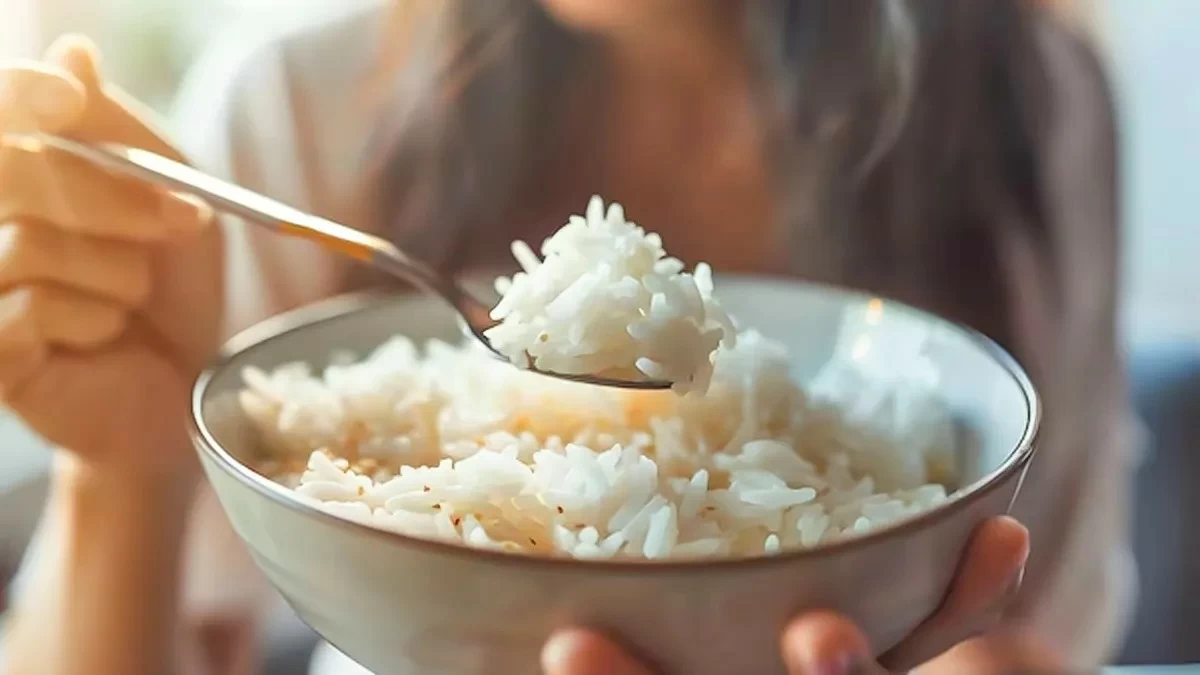
يُعد الأرز الأبيض من أكثر الأطعمة انتشاراً حول العالم، حيث يدخل في وجبات يومية متنوعة ويمكن تناوله مع أطباق متعددة مثل الخضروات والصلصات واللحوم، لكن رغم شعبيته الكبيرة، يظل السؤال الأبرز لدى الكثيرين: هل يؤدي تناول الأرز الأبيض إلى زيادة الوزن؟
بحسب موقع onlymyhealth، أوضحت خبيرة التغذية الشمولية الدكتورة جيتيكا شوبرا، أن الأرز الأبيض في حد ذاته لا يتسبب بشكل مباشر في زيادة الوزن، مشيرة إلى أن العامل الأساسي في اكتساب الوزن هو تجاوز السعرات الحرارية المستهلكة لما يحرقه الجسم.
وأضافت أن الأرز الأبيض يُصنف ضمن الكربوهيدرات المكررة ذات المؤشر الجلايسيمي المرتفع، ما يعني أنه يُهضم بسرعة ويرفع مستوى السكر في الدم بشكل سريع.
وأكدت أن تناوله بكميات كبيرة وبصورة متكررة، دون توازن غذائي يشمل البروتين والألياف والدهون الصحية، قد يؤدي إلى تخزين الدهون خاصة في منطقة البطن. في المقابل، فإن تناوله بكميات معتدلة ضمن نظام غذائي متوازن لا يؤدي بالضرورة إلى زيادة الوزن.
دراسة تدعم الفكرة
وتتوافق هذه الرؤية مع نتائج دراسة أجريت عام 2019، أشارت إلى أن معدلات السمنة أقل في الدول التي يُعد فيها الأرز غذاءً أساسياً، ولفتت الدراسة، التي عُرضت خلال المؤتمر الأوروبي للسمنة في مدينة غلاسكو، إلى أن الأنظمة الغذائية الآسيوية المعتمدة على الأرز قد تساهم في الوقاية من السمنة.
وتظهر الإحصاءات تفاوتاً ملحوظاً، حيث تبلغ نسبة السمنة في الولايات المتحدة نحو 39.8%، بينما لا تتجاوز 4.3% في اليابان، وفق بيانات منظمة الصحة العالمية.
هل يمكن خسارة دهون البطن مع الأرز؟
ورغم اعتماد الكثيرين على الأرز كوجبة يومية، تؤكد شوبرا أنه يمكن فقدان الوزن وحتى تقليل دهون البطن مع الاستمرار في تناوله، وأوضحت خبيرة التغذية أن فقدان الدهون يعتمد على توازن السعرات، وتنظيم مستويات الأنسولين، وتكوين الوجبة، وليس على حذف نوع معين من الطعام.
الكمية المناسبة
وتنصح خبيرة التغذية بأن تتراوح الكمية المناسبة من الأرز الأبيض بين نصف كوب إلى كوب واحد مطبوخ في الوجبة، حسب مستوى النشاط البدني وحجم الجسم، مع ضرورة أن يحتوي الطبق على نسبة جيدة من الخضروات والبروتين.
الفوائد والأضرار
الأرز الأبيض يتميز بسهولة الهضم وخلوه من الغلوتين، كما يمد الجسم بطاقة سريعة، ما يجعله مناسباً أثناء المرض أو بعد التمارين، لكن في المقابل، فإن الإفراط في تناوله قد يؤدي إلى ارتفاع سريع في سكر الدم وزيادة الشعور بالجوع، إضافة إلى احتمالية تراكم الدهون مع مرور الوقت، خاصة لدى الأشخاص قليلي الحركة.
أي أنواع الأرز أفضل؟
تشير شوبرا إلى أن الأنواع التي تُهضم ببطء مثل الأرز البني والأحمر والأسود تُعد خيارات أفضل لخسارة الدهون، نظراً لاحتوائها على نسبة أعلى من الألياف وتأثير أقل على سكر الدم، ومع ذلك، يمكن إدراج الأرز الأبيض في النظام الغذائي بشكل معتدل.
نصائح لتناول الأرز دون زيادة الوزن
نصحت خبيرة التغذية الشمولية بعدة أمور لتناول الأرز دون زيادة الوزن، وهي: التحكم في الكميات، تناوله مع مصادر بروتين مثل العدس أو البيض أو السمك، إضافة الخضروات لزيادة الألياف، إدخال دهون صحية بكميات معتدلة، تجنب الأطعمة المقلية والمشروبات السكرية، تفضيل الأرز المسلوق أو المطهو على البخار بدلاً من المقلي.
White rice is one of the most widely consumed foods around the world, as it is included in various daily meals and can be eaten with multiple dishes such as vegetables, sauces, and meats. However, despite its great popularity, the most prominent question for many remains: Does eating white rice lead to weight gain?
According to the website onlymyhealth, holistic nutrition expert Dr. Jetika Chopra explained that white rice itself does not directly cause weight gain, noting that the primary factor in gaining weight is consuming more calories than the body burns.
She added that white rice is classified as a refined carbohydrate with a high glycemic index, meaning it is digested quickly and raises blood sugar levels rapidly.
She confirmed that consuming it in large amounts and frequently, without a balanced diet that includes protein, fiber, and healthy fats, may lead to fat storage, especially in the abdominal area. Conversely, consuming it in moderate amounts as part of a balanced diet does not necessarily lead to weight gain.
A Study Supporting the Idea
This view aligns with the results of a study conducted in 2019, which indicated that obesity rates are lower in countries where rice is a staple food. The study, presented at the European Obesity Conference in Glasgow, pointed out that Asian diets based on rice may help prevent obesity.
Statistics show a significant disparity, with the obesity rate in the United States being about 39.8%, while it does not exceed 4.3% in Japan, according to data from the World Health Organization.
Can Belly Fat Be Lost with Rice?
Despite many relying on rice as a daily meal, Chopra confirms that it is possible to lose weight and even reduce belly fat while continuing to eat it. The nutrition expert explained that fat loss depends on calorie balance, insulin regulation, and meal composition, rather than eliminating a specific type of food.
The Right Amount
The nutrition expert recommends that the appropriate amount of cooked white rice per meal should range from half a cup to one cup, depending on physical activity level and body size, with the necessity for the dish to contain a good proportion of vegetables and protein.
Benefits and Risks
White rice is characterized by its easy digestibility and gluten-free nature, as well as providing quick energy, making it suitable during illness or after exercise. However, on the other hand, excessive consumption may lead to a rapid spike in blood sugar and increased feelings of hunger, along with the possibility of fat accumulation over time, especially in sedentary individuals.
Which Types of Rice Are Better?
Chopra points out that types that are digested slowly, such as brown, red, and black rice, are better options for fat loss due to their higher fiber content and lower impact on blood sugar. Nevertheless, white rice can still be included in the diet in moderation.
Tips for Eating Rice Without Gaining Weight
The holistic nutrition expert advised several things for consuming rice without gaining weight, which are: controlling portions, eating it with protein sources like lentils, eggs, or fish, adding vegetables to increase fiber, incorporating healthy fats in moderate amounts, avoiding fried foods and sugary drinks, and preferring boiled or steamed rice over fried.