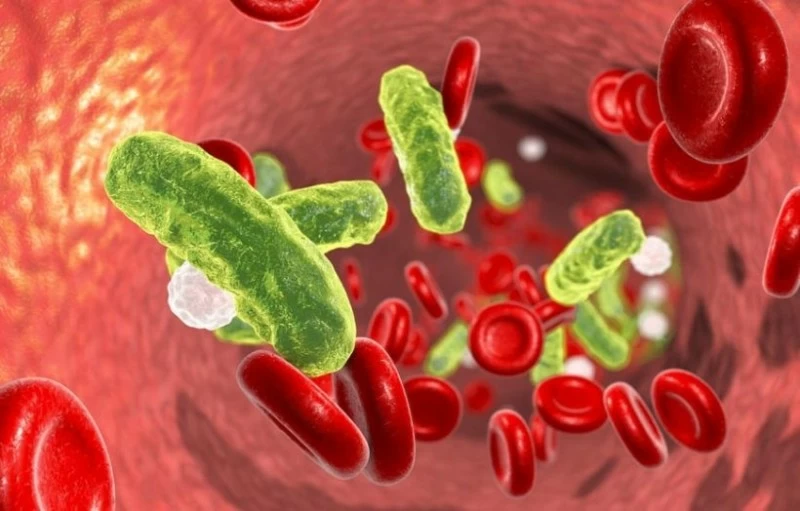
يحذر خبراء الصحة من خطورة مرض الإنتان الدموي، المعروف طبياً باسم Sepsis، الذي يُعد حالة طبية طارئة تهدد الحياة وقد يكون من الصعب تشخيصه في مراحله المبكرة.
وتشير تقديرات إلى تسجيل نحو 245 ألف حالة من الإنتان سنوياً في المملكة المتحدة، وهو مرض يتسبب في وفيات تفوق مجتمعة تلك الناتجة عن سرطانات الثدي والقولون والبروستاتا.
ما هوالإنتان؟
يُعد الإنتان (sepsis) حالة طبية طارئة خطيرة تنجم عن استجابة الجسم المفرطة لعدوى ما، مما يؤدي إلى إصابة الأنسجة والأعضاء الخاصة به، وتشير تقديرات إلى تسجيل نحو 245 ألف حالة من الإنتان سنوياً في المملكة المتحدة، وهو مرض يتسبب في وفيات نحو 48 ألف شخص أي تفوق مجتمعة تلك الناتجة عن سرطانات الثدي والقولون والبروستاتا، وفقًا لإحصاءات الثقة البريطانية للإنتان حتى 2025-2026.
خطر الإنتان
يحدث الإنتان عندما يبالغ الجهاز المناعي في رد فعله تجاه عدوى في الجسم، ما يؤدي إلى التهاب واسع النطاق قد يسبب تلف الأنسجة وفشل الأعضاء.
ويؤكد الأطباء أن الحالة تمثل طارئاً طبياً، إذ يزداد خطر الوفاة بنحو 8% عن كل ساعة يتأخر فيها العلاج بالمضادات الحيوية.
وإذا لم يتم تشخيص المرض وعلاجه بسرعة، فقد يتطور إلى الصدمة الإنتانية، وهي مرحلة خطيرة قد تؤدي إلى فشل الأعضاء والوفاة.
غالباً ما يبدأ الإنتان بعد إصابة بعدوى شائعة مثل؛ التهابات الصدر، التهاب المسالك البولية، التهابات الجلد، لكن الأطباء لا يفهمون تماماً سبب تطور المرض لدى بعض الأشخاص بينما يتعافى آخرون من العدوى نفسها دون مضاعفات.
الأكثر عرضة
يمكن أن يصيب الإنتان أي شخص، لكن خطر الإصابة يكون أعلى لدى الرضع والأطفال الصغار، وكبار السن، والأشخاص الذين يعانون من ضعف جهاز المناعة، والمرضى الذين يخضعون للعلاج الكيميائي، والحوامل، ومن خضعوا لعمليات جراحية حديثاً أو أقاموا لفترات طويلة في المستشفيات.
أعراض رئيسية
لعدم وجود اختبار تشخيصي واحد حاسم، ينصح الأطباء بالانتباه إلى مجموعة من العلامات التحذيرية، من أبرزها ضطراب الكلام أو الارتباك الذهني، إذ يظهر المريض ارتباكاً مفاجئاً أو صعوبة في الكلام نتيجة تأثر الدماغ بالعدوى، ورعشة شديدة أو آلام عضلية قوية، إذ يشعر المريض برعشة قوية وحمى وآلام تشبه أعراض الإنفلونزا الشديدة،
وتوقف التبول، فعدم التبول طوال يوم كامل يعد علامة خطيرة تشير إلى احتمال فشل الكلى، وضيق شديد في التنفس، إذ قد يعاني المريض من تنفس سريع أو صعوبة واضحة في التنفس بسبب نقص الأكسجين في الأعضاء، وشعور قوي بقرب الموت، إذ يصف بعض المرضى شعوراً مفاجئاً بالخطر أو الإحساس بأنهم على وشك الموت، وتغير لون الجلد ف، قد يصبح الجلد شاحباً أو مزرقاً أو مغطى ببقع غير منتظمة بسبب ضعف الدورة الدموية.
أعراض الإنتان لدى الأطفال
يصعب أحياناً اكتشاف المرض لدى الأطفال الصغار، وتشمل العلامات التحذيرية لديهم؛ القيء المتكرر، ورفض الطعام أو الرضاعة، وعدم التبول لمدة 12 ساعة، وسرعة التنفس، التشنجات، وشحوب أو ازرقاق الجلد، وطفح جلدي لا يختفي عند الضغط عليه، والخمول الشديد أو صعوبة الاستيقاظ.
كيف يُعالج الإنتان؟
يتطلب علاج الإنتان دخول المستشفى بشكل عاجل، ويشمل عادة: تناول المضادات الحيوية عبر الوريد، والسوائل الوريدية، والأكسجين عند الحاجة.
كما يُفضل إعطاء المضادات الحيوية خلال ساعة واحدة من التشخيص، رغم أن بعض الإرشادات تسمح بفترة تصل إلى ست ساعات في ظروف معينة.
ورغم أن بعض المرضى قد يحتاجون إلى أسابيع من العلاج في المستشفى، فإن كثيرين يتعافون تماماً إذا تم التشخيص والعلاج في الوقت المناسب.
Health experts warn about the dangers of sepsis, medically known as Sepsis, which is considered a life-threatening medical emergency and can be difficult to diagnose in its early stages.
Estimates indicate that around 245,000 cases of sepsis are recorded annually in the United Kingdom, a disease that causes more deaths combined than those resulting from breast, colon, and prostate cancers.
What is Sepsis?
Sepsis is a serious medical emergency that results from the body's excessive response to an infection, leading to damage to its tissues and organs. Estimates indicate that around 245,000 cases of sepsis are recorded annually in the United Kingdom, a disease that causes the deaths of about 48,000 people, which exceeds the combined deaths resulting from breast, colon, and prostate cancers, according to statistics from the UK Sepsis Trust until 2025-2026.
The Danger of Sepsis
Sepsis occurs when the immune system overreacts to an infection in the body, leading to widespread inflammation that can cause tissue damage and organ failure.
Doctors confirm that the condition represents a medical emergency, as the risk of death increases by about 8% for every hour that antibiotic treatment is delayed.
If the disease is not diagnosed and treated quickly, it may progress to septic shock, a dangerous stage that can lead to organ failure and death.
Sepsis often begins after an infection from common sources such as; chest infections, urinary tract infections, skin infections, but doctors do not fully understand why the disease develops in some individuals while others recover from the same infection without complications.
Most at Risk
Sepsis can affect anyone, but the risk is higher among infants and young children, the elderly, individuals with weakened immune systems, patients undergoing chemotherapy, pregnant women, and those who have recently undergone surgery or spent extended periods in hospitals.
Key Symptoms
Due to the lack of a definitive diagnostic test, doctors advise paying attention to a range of warning signs, the most prominent of which include speech disturbance or mental confusion, where the patient exhibits sudden confusion or difficulty speaking due to the brain being affected by the infection, severe shivering or intense muscle pain, where the patient feels strong chills, fever, and pain resembling severe flu symptoms,
and cessation of urination, as not urinating for an entire day is a serious sign indicating possible kidney failure, severe shortness of breath, where the patient may experience rapid breathing or obvious difficulty breathing due to a lack of oxygen in the organs, a strong feeling of impending death, where some patients describe a sudden feeling of danger or the sensation that they are about to die, and changes in skin color, where the skin may become pale or bluish or covered with irregular spots due to poor circulation.
Symptoms of Sepsis in Children
It can sometimes be difficult to detect the disease in young children, and their warning signs include; frequent vomiting, refusal to eat or breastfeed, not urinating for 12 hours, rapid breathing, seizures, pale or bluish skin, a rash that does not fade when pressed, and severe lethargy or difficulty waking up.
How is Sepsis Treated?
Treating sepsis requires urgent hospitalization, and typically includes: intravenous antibiotics, intravenous fluids, and oxygen as needed.
It is preferred to administer antibiotics within one hour of diagnosis, although some guidelines allow for a period of up to six hours under certain circumstances.
While some patients may require weeks of treatment in the hospital, many recover completely if diagnosed and treated in a timely manner.