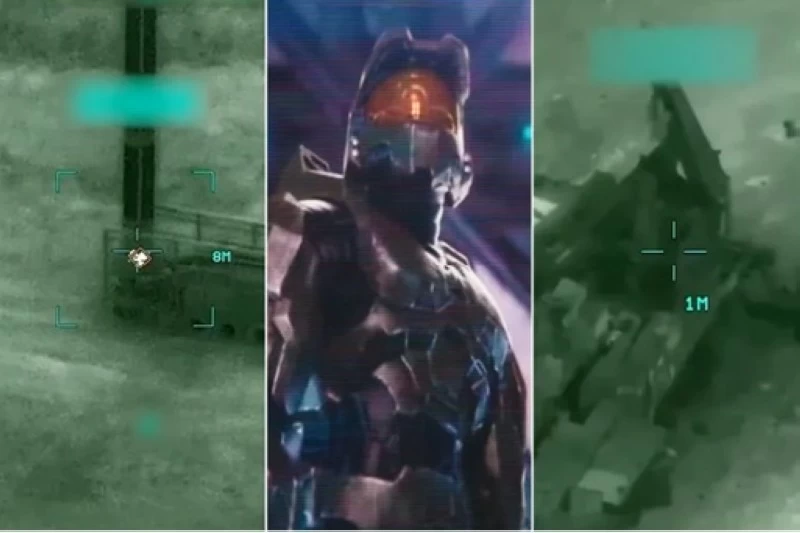
أشعل البيت الأبيض موجة جدل واسعة بعدما نشر سلسلة من مقاطع الفيديو الساخرة التي تمزج بين لقطات حقيقية للضربات الجوية الأمريكية على إيران ومشاهد من أفلام الحركة وألعاب الفيديو، في خطوة وصفها منتقدون بأنها تحويل للحرب إلى «حرب ميمات» على الإنترنت.
المقاطع التي انتشرت عبر منصة «إكس» بدت مختلفة تماماً عن الخطاب التقليدي للحروب، إذ دمجت مشاهد القصف مع لقطات من أفلام وأعمال شهيرة مثل «توب غان»، ولعبة «هالو»، ومسلسل الأنمي «دراغون بول زد»، إلى جانب ظهور شخصيات خارقة مثل الرجل الحديدي وسوبرمان.
وأحد أبرز المقاطع حمل عنوان «العدالة على الطريقة الأمريكية»، حيث جرى تركيب لقطات غير مصنفة من ضربات جوية للقيادة المركزية الأمريكية مع مشاهد سينمائية وأخرى من ألعاب الفيديو، في أسلوب يشبه المقاطع الساخرة المنتشرة على منصات التواصل الاجتماعي.
ولم يمر الفيديو دون ترويج داخل الإدارة الأمريكية نفسها، إذ أعاد نائب مدير الاتصالات في البيت الأبيض كايلان دور نشره مع تعليق ساخر قال فيه «استيقظوا، لقد عاد أبي». كما نشر مدير الاتصالات ستيفن تشيونغ مقطعاً آخر يمزج مشاهد الضربات الجوية مع ما يعرف على الإنترنت بمشهد «سلسلة القتل».
وفي اليوم التالي ظهرت مقاطع إضافية أكثر غرابة، بينها فيديو يدمج الانفجارات مع كلمات أغنية راب بعنوان «بازوكا»، وآخر يستخدم شخصية «سبونج بوب سكوير بانتس»، فيما استعار مقطع ثالث أسلوب لعبة «جراند ثيفت أوتو: سان أندرياس» عبر وضع عبارة «مُهدر» فوق مشاهد تظهر سيارات وأشخاصاً وسط النيران.
هذه المقاطع أثارت موجة غضب وانتقادات واسعة في الولايات المتحدة. فقد وصف الكاتب ومقدم البودكاست السياسي جون فافرو، وهو كاتب خطابات سابق للرئيس باراك أوباما، الفيديو بأنه «مزحة مريضة وقاسية»، مؤكداً أن الحرب ليست لعبة فيديو، خصوصا مع سقوط ضحايا مدنيين بينهم أطفال خلال الغارات.
كما طالب الممثل الأمريكي بن ستيلر البيت الأبيض بحذف أحد المقاطع بعد استخدام مشاهد من فيلمه «تروبيك ثاندر»، مؤكداً أن صناع الفيلم لم يمنحوا أي إذن لاستخدام العمل في مواد دعائية، مضيفاً أن الحرب ليست فيلماً.
وأثارت الفيديوهات أيضاً تساؤلات قانونية حول حقوق الملكية الفكرية، إذ لم يتضح ما إذا حصل البيت الأبيض على موافقات من شركات الإنتاج والألعاب التي تعود إليها تلك المشاهد، مثل مايكروسوفت وديزني وباراماونت وسوني وروكستار غيمز. وفي المقابل أكدت شركة بوكيمون أنها لم تمنح أي إذن لاستخدام شخصياتها في محتوى نشرته الإدارة الأمريكية.
في المقابل، دافع بعض أنصار الرئيس دونالد ترمب عن هذه المقاطع، معتبرين أنها وسيلة حديثة لجذب الانتباه عبر ثقافة الإنترنت وإظهار قوة الجيش الأمريكي بلغة يفهمها مستخدمو المنصات الرقمية.
كما ردت المتحدثة باسم البيت الأبيض آنا كيلي على الانتقادات قائلة إن وسائل الإعلام التقليدية تريد من الإدارة الاعتذار عن إظهار نجاح الجيش الأمريكي، مؤكدة أن البيت الأبيض سيواصل نشر مقاطع تظهر تدمير الصواريخ الباليستية الإيرانية ومنشآت الإنتاج المرتبطة ببرنامج طهران العسكري.
ويأتي هذا التوجه في إطار إستراتيجية إعلامية جديدة داخل البيت الأبيض، حيث يعمل فريق متخصص في إنتاج محتوى سريع لمنصات التواصل الاجتماعي، يعتمد على أسلوب الميمات والثقافة الرقمية لكسب التأثير السياسي وجذب اهتمام الجمهور عبر الإنترنت.
The White House ignited a wide wave of controversy after it published a series of satirical videos that mix real footage of American airstrikes on Iran with scenes from action movies and video games, in a move critics described as turning war into an "internet meme war."
The clips that spread across the platform "X" looked completely different from the traditional discourse of wars, as they combined bombing scenes with footage from famous films and works such as "Top Gun," the game "Halo," and the anime series "Dragon Ball Z," alongside appearances by superhero characters like Iron Man and Superman.
One of the most notable clips was titled "Justice the American Way," where unclassified footage from airstrikes by the U.S. Central Command was edited together with cinematic scenes and others from video games, in a style reminiscent of the satirical clips circulating on social media platforms.
The video did not go without promotion within the U.S. administration itself, as White House Deputy Communications Director Kylan Dorr shared it with a sarcastic comment saying, "Wake up, Dad is back." Communications Director Stephen Cheung also posted another clip that mixes airstrike scenes with what is known online as the "kill chain" scene.
The following day, even stranger clips appeared, including a video that combines explosions with the lyrics of a rap song titled "Bazooka," and another that uses the character "SpongeBob SquarePants," while a third clip borrowed the style of the game "Grand Theft Auto: San Andreas" by placing the phrase "Wasted" over scenes showing cars and people amidst flames.
These clips sparked a wave of anger and widespread criticism in the United States. Political podcast host and writer Jon Favreau, a former speechwriter for President Barack Obama, described the video as "a sick and cruel joke," emphasizing that war is not a video game, especially with civilian casualties, including children, during the airstrikes.
American actor Ben Stiller also called on the White House to remove one of the clips after it used scenes from his film "Tropic Thunder," asserting that the filmmakers did not grant any permission for their work to be used in promotional materials, adding that war is not a movie.
The videos also raised legal questions about intellectual property rights, as it was unclear whether the White House obtained approvals from the production and gaming companies to which those scenes belong, such as Microsoft, Disney, Paramount, Sony, and Rockstar Games. In contrast, the Pokémon Company confirmed that it did not grant any permission for its characters to be used in content published by the U.S. administration.
On the other hand, some supporters of President Donald Trump defended these clips, considering them a modern way to attract attention through internet culture and to showcase the power of the U.S. military in a language understood by digital platform users.
White House spokesperson Anna Kelly responded to the criticisms by stating that traditional media wants the administration to apologize for showcasing the success of the U.S. military, affirming that the White House will continue to publish clips showing the destruction of Iranian ballistic missiles and production facilities linked to Tehran's military program.
This approach comes as part of a new media strategy within the White House, where a specialized team works on producing quick content for social media platforms, relying on meme culture and digital trends to gain political influence and attract public interest online.