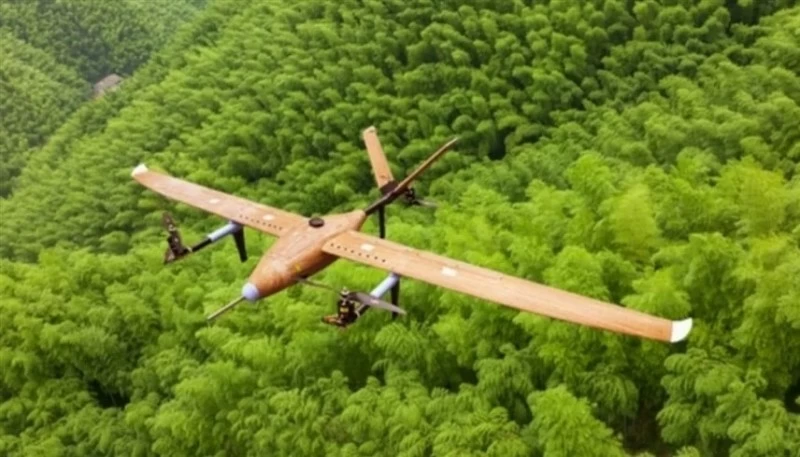
في خطوة قد تغيّر مستقبل صناعة الطائرات المسيّرة، نجح باحثون صينيون في تنفيذ أول رحلة تجريبية لطائرة بدون طيار مصنوعة جزئياً من ألياف الخيزران، في تجربة توصف بأنها بداية عصر جديد من المواد الخضراء في الطيران.
الطائرة التجريبية طُوّرت واختُبرت في مدينة تيانغين، حيث تمكن الفريق البحثي من تشغيل نموذج لطائرة ثابتة الجناحين يستخدم مركّبات قائمة على الخيزران في جزء كبير من هيكلها، وهو ما يعد سابقة عالمية في هذا المجال.
وبحسب ما نقلته وكالة Xinhua News Agency، فإن الطائرة تمثل أول نموذج من نوعه يستخدم هذه المادة الطبيعية على هذا النطاق بعد سلسلة طويلة من الاختبارات التقنية لضمان توافقها مع معايير الطيران.
يبلغ عرض جناحي الطائرة نحو مترين ونصف المتر، ويصل وزنها إلى نحو 7 كيلوغرامات، بينما يمكنها الإقلاع والهبوط عمودياً والتحليق بسرعة تقارب 100 كيلومتر في الساعة، مع قدرة على البقاء في الجو لأكثر من ساعة.
المفاجأة الأكبر كانت في الوزن والتكلفة، إذ أوضح الباحثون أن الطائرة أخف بأكثر من 20% مقارنة بطائرات مشابهة مصنوعة من ألياف الكربون، كما يمكن أن تقلل تكلفة الهيكل بنسبة تتجاوز 20%.
ويرجع ذلك إلى اعتماد مركّبات جديدة مصنوعة من الخيزران بدلاً من أقمشة ألياف الكربون المستخدمة عادة في صناعة الطائرات المسيّرة، وهي مواد معروفة بصلابتها العالية لكنها تتطلب طاقة كبيرة لإنتاجها كما يصعب تحللها بيئياً.
وأشار الفريق البحثي إلى أن تكلفة المركّبات المصنوعة من الخيزران لا تتجاوز ربع تكلفة ألياف الكربون التقليدية، ما قد يفتح الباب أمام خفض كبير في تكلفة إنتاج الطائرات المسيّرة مستقبلاً.
وأكثر من ربع هيكل الطائرة صُنع فعلياً من هذه المواد الطبيعية، بما في ذلك الغلاف الخارجي، ما يجعلها أول طائرة من هذا النوع تستخدم الخيزران على هذا النطاق.
وشارك في تطوير المشروع كل من International Bamboo and Rattan Organization ومعهد نينغبو للابتكار التابع لجامعة Beihang University، إضافة إلى شركة Long Bamboo Technology.
وقال قائد المشروع الباحث تشين داوتشون إن تطوير هذه المواد لم يكن مهمة سهلة، إذ واجه الفريق تحديات تقنية عديدة تتعلق بعمليات التشكيل وقدرة المادة على التكيف مع الظروف البيئية المختلفة.
وللتأكد من صلاحيتها للطيران، أجرى الباحثون أكثر من 100 تجربة لاختبار قوة المادة ومتانتها ومرونتها واستقرار الطائرة ومقاومتها للصدمات.
وجاءت النتائج (بحسب صحيفة China Green Times) لتظهر أن المركّبات القائمة على الخيزران حققت المعايير المطلوبة من حيث القوة الميكانيكية ومعامل المرونة والتحمل.
ويرى مطورو المشروع أن هذه التجربة قد تمهد لتوسيع استخدام المواد الصديقة للبيئة في ما يعرف باقتصاد الارتفاعات المنخفضة في الصين، والذي يشمل تشغيل الطائرات المسيّرة في مجالات مثل الخدمات اللوجستية والزراعة والمراقبة البيئية.
بدوره، أكد ليان جيانتشانغ رئيس شركة لونغ بامبو تكنولوجي أن الشركة تخطط لتوسيع استخدام هذه المواد الخفيفة والقابلة للتحلل في قطاعات أخرى، بينها المركبات العاملة بالطاقة الجديدة والمعدات البحرية.
ولا يستبعد الخبراء أن تتجاوز استخدامات هذه المواد مستقبلاً الطائرات المسيّرة لتصل إلى الأقمار الصناعية الصغيرة أو مكونات المركبات الفضائية الخفيفة، بفضل قدرتها على تقليل الاهتزازات مع الحفاظ على قوة الهيكل.
In a move that could change the future of the drone industry, Chinese researchers have successfully conducted the first test flight of a drone partially made from bamboo fibers, in an experiment described as the beginning of a new era of green materials in aviation.
The experimental aircraft was developed and tested in Tianjin, where the research team managed to operate a model of a fixed-wing drone that uses bamboo-based composites in a large part of its structure, marking a global first in this field.
According to the Xinhua News Agency, the aircraft represents the first model of its kind to use this natural material on such a scale after a long series of technical tests to ensure its compliance with aviation standards.
The wingspan of the aircraft is about 2.5 meters, and it weighs around 7 kilograms, while it can take off and land vertically and fly at speeds approaching 100 kilometers per hour, with the ability to stay airborne for more than an hour.
The biggest surprise was in weight and cost, as researchers explained that the aircraft is over 20% lighter compared to similar drones made from carbon fibers, and it could reduce the cost of the structure by more than 20%.
This is due to the reliance on new composites made from bamboo instead of the carbon fiber fabrics typically used in drone manufacturing, which are known for their high strength but require a lot of energy to produce and are difficult to decompose environmentally.
The research team noted that the cost of bamboo-based composites does not exceed a quarter of the cost of traditional carbon fibers, which could open the door to significant reductions in the cost of drone production in the future.
More than a quarter of the aircraft's structure is actually made from these natural materials, including the outer shell, making it the first aircraft of its kind to use bamboo on this scale.
The project was developed in collaboration with the International Bamboo and Rattan Organization, the Ningbo Innovation Institute of Beihang University, and Long Bamboo Technology.
Project leader researcher Chen Daoxuan stated that developing these materials was not an easy task, as the team faced numerous technical challenges related to the molding processes and the material's ability to adapt to different environmental conditions.
To ensure its suitability for flight, researchers conducted over 100 tests to evaluate the material's strength, durability, flexibility, aircraft stability, and shock resistance.
The results (according to the China Green Times) showed that bamboo-based composites met the required standards in terms of mechanical strength, elasticity, and resilience.
The project developers believe that this experiment could pave the way for expanding the use of environmentally friendly materials in what is known as the low-altitude economy in China, which includes operating drones in areas such as logistics, agriculture, and environmental monitoring.
For his part, Lian Jianchang, president of Long Bamboo Technology, confirmed that the company plans to expand the use of these lightweight and biodegradable materials in other sectors, including new energy vehicles and marine equipment.
Experts do not rule out that the future applications of these materials could extend beyond drones to small satellites or components of lightweight spacecraft, thanks to their ability to reduce vibrations while maintaining structural strength.