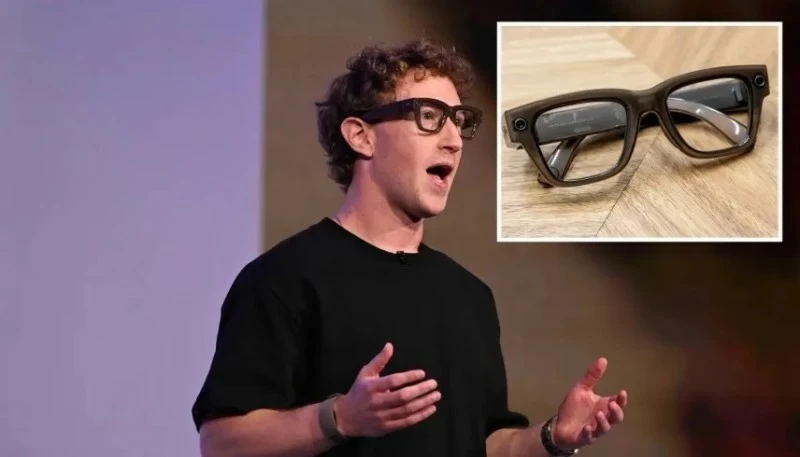
انفجرت عاصفة قانونية جديدة حول شركة Meta بعد اتهامات صادمة تقول إن نظاراتها الذكية تحولت عملياً إلى أداة مراقبة خفية، في قضية قد تهز واحدة من أكثر تقنيات الذكاء الاصطناعي انتشاراً في العالم.
القضية التي تنظرها محكمة فيدرالية في مدينة سان فرانسيسكو جاءت عبر دعوى جماعية تتهم الشركة بتضليل المستخدمين بشأن مستوى الخصوصية في نظاراتها الذكية Ray-Ban Meta Smart Glasses، التي تروج لها باعتبارها جهازاً يمنح المستخدم السيطرة الكاملة على بياناته.
وبدأت القصة بعد تحقيق استقصائي نشرته صحيفة Svenska Dagbladet كشف أن متعاقدين بشريين في كينيا يراجعون مقاطع فيديو التقطتها نظارات المستخدمين، بهدف تصنيف البيانات وتدريب نماذج الذكاء الاصطناعي التابعة للشركة.
ووفق ما نقلته الصحيفة، أكد بعض العاملين أنهم شاهدوا محتوى بالغ الخصوصية التقطته النظارات دون أن يدرك المستخدمون أن لقطاتهم قد تصل إلى مراجعين بشريين، بما في ذلك لحظات عائلية حساسة وتفاصيل شخصية دقيقة مثل أرقام بطاقات ائتمان ووجوه أشخاص.
الدعوى رفعتها شركة المحاماة شركة كلاركسون للمحاماة نيابة عن المدعين، جينا بارتوني من ولاية نيوجيرسي والمواطن ماتيو كانو من ولاية كالفورنيا، متهمة الشركة بممارسة «إعلانات كاذبة» عبر شعارات ترويجية تؤكد أن الجهاز «صُمم للخصوصية»، بينما الواقع (بحسب الدعوى) أنه قد يعمل كقناة مراقبة مستمرة.
وتشير الدعوى إلى ثلاث نقاط رئيسية مثيرة للقلق:
- أولاً، أن استخدام ميزات الذكاء الاصطناعي المتقدمة في النظارات يتطلب إرسال صور ومقاطع من محيط المستخدم إلى خوادم الشركة.
- ثانياً، أن تقنيات إخفاء الهوية مثل طمس الوجوه والمعلومات الحساسة لا تعمل دائماً بشكل موثوق، بحسب مصادر مطلعة على عملية مراجعة البيانات.
- ثالثاً، أن المستخدمين لا يملكون خياراً واضحاً لمنع وصول المراجعين البشريين إلى بياناتهم عند تشغيل ميزات الذكاء الاصطناعي المباشر.
في المقابل، دافعت الشركة عن نفسها، حيث قال متحدث باسم ميتا إن الشركة تعتمد بالفعل على مراجعين بشريين لتحليل بعض البيانات التي يوافق المستخدم على مشاركتها مع نظام Meta AI، مؤكداً أن هذه الممارسة تهدف إلى تحسين أداء الخدمة.
وأضاف المتحدث أن الشركة تطبق إجراءات لحماية الهوية وتصفية البيانات الحساسة، مشيراً إلى أن المحتوى يبقى على جهاز المستخدم ما لم يقرر مشاركته مع نظام الذكاء الاصطناعي.
لكن مقدمي الدعوى يرون أن هذا التفسير مضلل، لأن استخدام ميزات الذكاء الاصطناعي في النظارات يفرض عملياً مشاركة البيانات.
وتزداد خطورة القضية مع الانتشار الواسع للجهاز، إذ تشير تقديرات إلى أن عدد مستخدمي النظارات الذكية وصل إلى نحو 7 ملايين مستخدم في عام 2025، ما يثير مخاوف من احتمال تسرب كميات هائلة من البيانات الشخصية الحساسة.
ولم تتوقف تداعيات القضية عند الولايات المتحدة، إذ أعلن مكتب مفوض المعلومات في المملكة المتحدة فتح تحقيق لمراجعة مدى التزام الشركة بقوانين حماية البيانات الصارمة.
ويحذر المدعون من أن وصول مراجعين بشريين إلى هذه البيانات قد يفتح الباب أمام مخاطر جسيمة مثل الابتزاز وسرقة الهوية والملاحقة الرقمية، فضلاً عن الأضرار النفسية الناتجة عن انتهاك الخصوصية.
وفي حال ثبوت الاتهامات، يسعى المدعون إلى فرض تعويضات مالية كبيرة على الشركة، إضافة إلى أوامر قضائية تجبرها على تغيير سياساتها التقنية والإعلانية فوراً، ووقف مراجعة بيانات المستخدمين من دون علمهم.
A new legal storm has erupted around Meta following shocking allegations that its smart glasses have effectively turned into a covert surveillance tool, in a case that could shake one of the most widespread artificial intelligence technologies in the world.
The case, being heard by a federal court in San Francisco, arose from a class-action lawsuit accusing the company of misleading users about the level of privacy in its Ray-Ban Meta Smart Glasses, which it promotes as a device that gives users complete control over their data.
The story began after an investigative report published by Svenska Dagbladet revealed that human contractors in Kenya review videos captured by users' glasses, with the aim of classifying data and training the company's artificial intelligence models.
According to the newspaper, some workers confirmed that they had seen highly private content captured by the glasses without users realizing that their footage could reach human reviewers, including sensitive family moments and precise personal details such as credit card numbers and faces of individuals.
The lawsuit was filed by the law firm Clarkson Law Firm on behalf of the plaintiffs, Gina Bartoni from New Jersey and citizen Matteo Cano from California, accusing the company of engaging in "false advertising" through promotional slogans asserting that the device is "designed for privacy," while the reality (according to the lawsuit) is that it may function as a continuous surveillance channel.
The lawsuit points to three main concerning points:
- First, that the use of advanced AI features in the glasses requires sending images and clips from the user's surroundings to the company's servers.
- Second, that anonymization techniques such as blurring faces and sensitive information do not always work reliably, according to sources familiar with the data review process.
- Third, that users do not have a clear option to prevent human reviewers from accessing their data when using live AI features.
In response, the company defended itself, with a spokesperson for Meta stating that the company does rely on human reviewers to analyze some data that users agree to share with the Meta AI system, emphasizing that this practice aims to improve service performance.
The spokesperson added that the company implements measures to protect identity and filter sensitive data, noting that content remains on the user's device unless they decide to share it with the AI system.
However, the plaintiffs argue that this explanation is misleading, as the use of AI features in the glasses effectively mandates data sharing.
The seriousness of the case increases with the widespread adoption of the device, as estimates suggest that the number of smart glasses users could reach around 7 million by 2025, raising concerns about the potential leakage of vast amounts of sensitive personal data.
The repercussions of the case have not stopped at the United States, as the UK Information Commissioner's Office announced the opening of an investigation to review the company's compliance with strict data protection laws.
The plaintiffs warn that human reviewers' access to this data could open the door to serious risks such as extortion, identity theft, and digital stalking, as well as the psychological harm resulting from privacy violations.
If the allegations are proven, the plaintiffs seek to impose significant financial damages on the company, in addition to court orders compelling it to immediately change its technical and advertising policies and halt the review of user data without their knowledge.