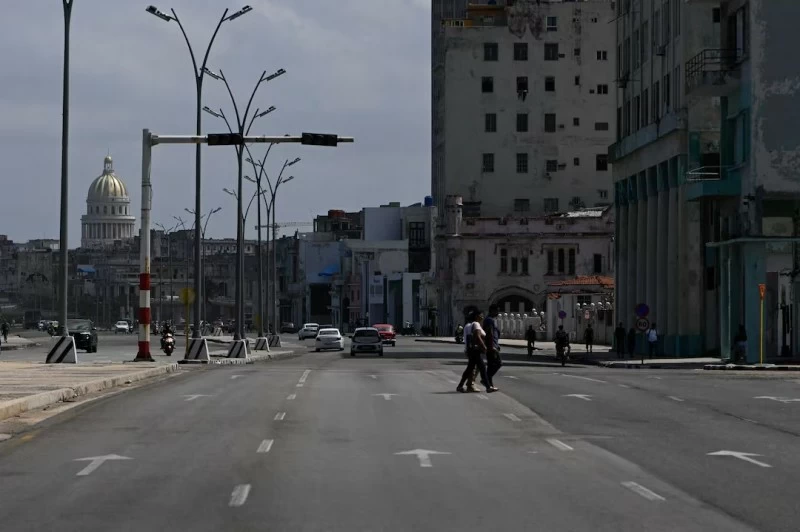
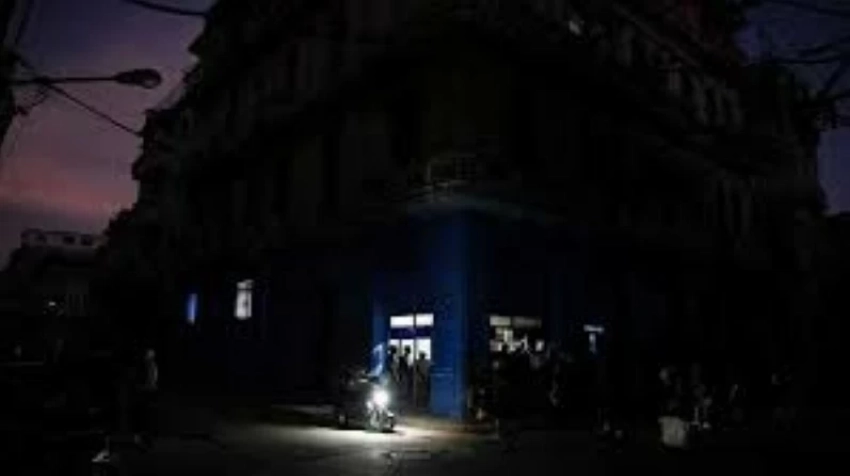
تعرضت معظم مناطق كوبا، بما في ذلك العاصمة هافانا، لانقطاع واسع في التيار الكهربائي الأربعاء، بعد عطل مفاجئ في إحدى أكبر محطات توليد الكهرباء في البلاد، في وقت تواجه فيه الحكومة الكوبية أزمة طاقة متفاقمة ونقصاً في إمدادات الوقود.
وأعلنت شركة الكهرباء الحكومية (يونيون إلكتريكا)، عن انقطاع كهرباء كبير أصاب معظم أنحاء كوبا، بما في ذلك العاصمة هافانا، نتيجة عطل مفاجئ في محطة أنطونيو غيتيراس الحرارية الكبرى، الواقعة على بعد حوالي 100 كم شرق هافانا.
وأوضحت الشركة أن الانقطاع أثر على الشبكة الكهربائية الوطنية من مقاطعة بينار دل ريو في أقصى الغرب حتى مقاطعة كاماغواي في الوسط الشرقي، مع تأثر محطات فرعية في مقاطعة لاس توناس الشرقية، مما ترك فقط المقاطعات الشرقية البعيدة (مثل هولغوين) بالكهرباء. وبقيت محطة فيلتون 1 في هولغوين متصلة بالشبكة، حسب وزارة الطاقة الكوبية.
وقدرت تقارير إعلامية محلية أن إصلاحات محطة غيتيراس قد تستغرق 3 إلى 4 أيام، حيث يركز الفرق الفنية على إصلاح تسرب في المرجل الفائق التسخين وتقليل استهلاك المياه.
ونقلت وسائل إعلام عن المدير الفني رومان بيريز أن «الهدف الرئيسي هو تقليل استهلاك المياه عبر إصلاح العطل في المرجل الفائق والتسريبات الأخرى».
يأتي هذا الانقطاع في سياق أزمة طاقة مستمرة في كوبا، تفاقمت بسبب نقص الوقود الناجم عن إجراءات إدارة الرئيس دونالد ترمب التي حدت من شحنات النفط، خاصة بعد إسقاط نظام نيكولاس مادورو في فنزويلا - المورد الرئيسي السابق لنصف احتياجات كوبا تقريباً -، وتهديد واشنطن بفرض تعريفات جمركية على الدول التي تمد كوبا بالنفط، مما دفع المكسيك - المورد البديل - إلى وقف الإمدادات.
وتعزو الحكومة الكوبية الأزمة الاقتصادية إلى عقود من العقوبات الأمريكية، التي أعاقت الاستثمار في توليد الكهرباء وصيانة الشبكة. وشهدت الجزيرة انقطاعات كبرى متكررة في السنوات الأخيرة، حتى قبل تصعيد الضغط الأمريكي الحالي.
ورغم اعتياد السكان في هافانا على انقطاعات دورية بسبب نظام التوزيع الحكومي، إلا أن الانقطاع الكامل أثار استياءً.
فيما توقفت بعض الإشارات المرورية والمحلات عن العمل، بينما استمر بعضها بفضل الألواح الشمسية أو المولدات، كما تأخر بث نشرة الأخبار الوطنية على التلفزيون الحكومي أكثر من نصف ساعة.
ومع تزايد أسعار الوقود، لجأ بعض السكان إلى تركيب ألواح شمسية على المنازل والمركبات للحفاظ على الكهرباء الأساسية، وسط نقص في خدمات أخرى مثل جمع النفايات والنقل.
Most areas of Cuba, including the capital Havana, experienced widespread power outages on Wednesday after a sudden failure at one of the largest power generation plants in the country, at a time when the Cuban government is facing a worsening energy crisis and a fuel supply shortage.
The state electricity company (Unión Eléctrica) announced a major power outage affecting most of Cuba, including the capital Havana, due to a sudden failure at the Antonio Guiteras thermoelectric plant, located about 100 km east of Havana.
The company explained that the outage affected the national electrical grid from the province of Pinar del Río in the far west to the province of Camagüey in the central east, with substations in the eastern province of Las Tunas also affected, leaving only the remote eastern provinces (such as Holguín) with electricity. The Felton 1 plant in Holguín remained connected to the grid, according to the Cuban Ministry of Energy.
Local media reports estimated that repairs at the Guiteras plant could take 3 to 4 days, as technical teams focus on fixing a leak in the superheater and reducing water consumption.
Media outlets quoted technical director Román Pérez stating that "the main goal is to reduce water consumption by repairing the failure in the superheater and other leaks."
This outage comes amid an ongoing energy crisis in Cuba, exacerbated by a fuel shortage resulting from measures by President Donald Trump that limited oil shipments, especially after the fall of Nicolás Maduro's regime in Venezuela—the previous main supplier of nearly half of Cuba's needs—and Washington's threat to impose tariffs on countries supplying oil to Cuba, which led Mexico—an alternative supplier—to halt supplies.
The Cuban government attributes the economic crisis to decades of U.S. sanctions that have hindered investment in electricity generation and maintenance of the grid. The island has experienced repeated major outages in recent years, even before the current escalation of U.S. pressure.
Although residents in Havana are accustomed to periodic outages due to the government distribution system, the complete outage has sparked discontent.
Some traffic signals and shops stopped working, while others continued to operate thanks to solar panels or generators, and the broadcast of the national news on state television was delayed by more than half an hour.
With rising fuel prices, some residents have resorted to installing solar panels on homes and vehicles to maintain basic electricity, amid shortages of other services such as waste collection and transportation.