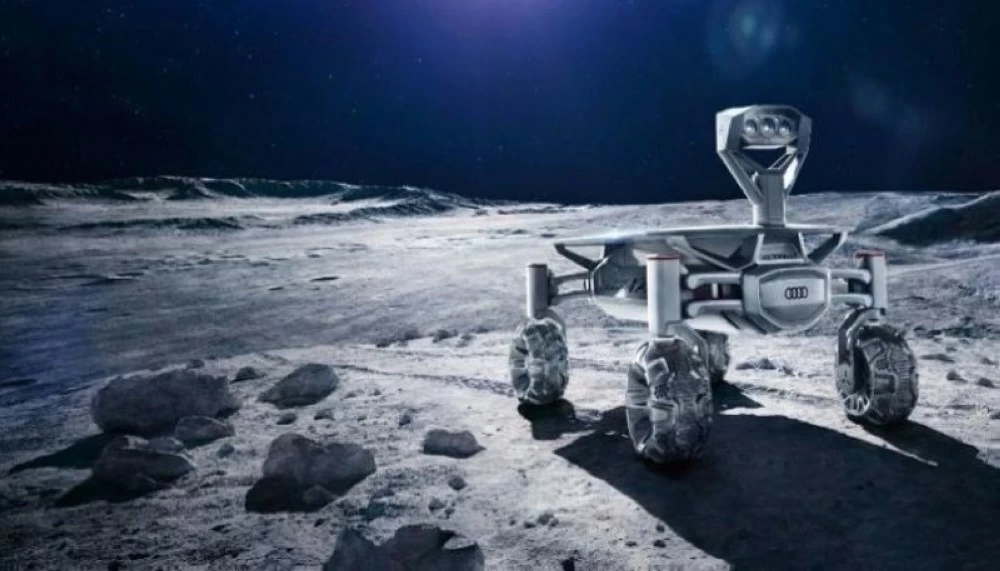
كشف علماء في معهد شتيرنبرغ لعلم الفلك مقترحاً علمياً يعتمد على استخدام روبوتات صغيرة ومتخصصة لاستكشاف كهوف القمر، بهدف دراسة خصائصها الطبيعية وتحديد مدى صلاحيتها لإقامة مستوطنات بشرية مستقبلية.
تكلفة أقل.. وكفاءة أعلى
وأوضح عالم الفلك فلاديمير سوردين أن إرسال إنسان واحد إلى الفضاء يعادل تقريباً تكلفة إرسال 10 روبوتات، ما يجعل الخيار الروبوتي أكثر جدوى من الناحية الاقتصادية. وأضاف أن هذه الأجهزة يمكنها الاعتماد على الطاقة الشمسية المتوفرة بكثرة على سطح القمر، ما يعزز قدرتها على العمل لفترات طويلة.
بيئة مثالية للاستيطان
وأشار الخبراء إلى أن كهوف القمر تُعد موقعاً واعداً لإقامة أولى المستوطنات البشرية، إذ تتميز بدرجة حرارة مستقرة تقارب 17 درجة مئوية، إلى جانب حمايتها الطبيعية من الإشعاع الكوني والتقلبات الحرارية الحادة التي يشهدها السطح القمري.
دعوة للابتكار
وأكد المعهد أهمية انخراط المهندسين والفيزيائيين الشباب في تطوير روبوتات صغيرة مخصصة لاستكشاف الكهوف القمرية، معتبراً أن نتائج هذه الجهود ستحمل قيمة علمية كبيرة للمجتمع البحثي العالمي، وقد تمنح روسيا موقعاً متقدماً في سباق استكشاف القمر.
تمهيد الطريق للبشر
ويتيح الاعتماد على الروبوتات الصغيرة جمع بيانات دقيقة وشاملة قبل إرسال بعثات بشرية، ما يسهم في فهم طبيعة الكهوف القمرية بشكل أعمق وتقييم جاهزيتها لاحتضان حياة بشرية مستقبلاً.
Scientists at the Sternberg Astronomical Institute have proposed a scientific plan that relies on the use of small, specialized robots to explore the moon's caves, with the aim of studying their natural characteristics and determining their suitability for future human settlements.
Lower Cost.. Higher Efficiency
Astronomer Vladimir Sordin explained that sending one human into space is roughly equivalent to the cost of sending 10 robots, making the robotic option more economically viable. He added that these devices can rely on the abundant solar energy available on the moon's surface, enhancing their ability to operate for extended periods.
An Ideal Environment for Settlement
Experts pointed out that the moon's caves are a promising site for establishing the first human settlements, as they feature a stable temperature of around 17 degrees Celsius, along with natural protection from cosmic radiation and the extreme thermal fluctuations experienced on the lunar surface.
A Call for Innovation
The institute emphasized the importance of involving young engineers and physicists in developing small robots specifically designed for exploring lunar caves, considering that the results of these efforts will carry significant scientific value for the global research community and may grant Russia a leading position in the race to explore the moon.
Paving the Way for Humanity
Relying on small robots allows for the collection of accurate and comprehensive data before sending human missions, contributing to a deeper understanding of the nature of lunar caves and assessing their readiness to support human life in the future.