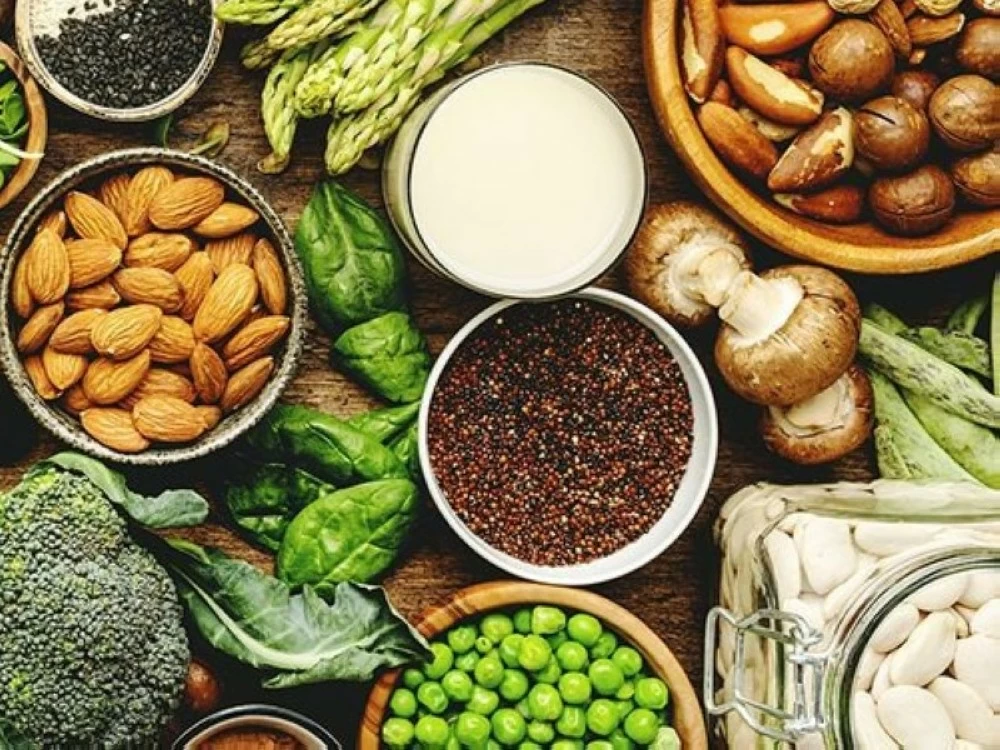
كشفت دراسة دولية حديثة أن اتباع نظام غذائي غني بالأطعمة النباتية مع تقليل استهلاك اللحوم قد يسهم بشكل كبير في خفض خطر الإصابة بمرض الكلى المزمن، وأكدت الدراسة أن الخيارات الغذائية اليومية تلعب دوراً محورياً في الحفاظ على صحة الكلى على المدى الطويل.
ويُعد مرض الكلى المزمن من الأمراض الناتجة عن التدهور التدريجي في وظائف الكلى، ويصيب نحو 800 مليون شخص حول العالم بحسب تقارير رسمية، مع تضاعف معدلات انتشاره أكثر من مرتين منذ عام 1990، ويؤدي المرض، في حال عدم علاجه، إلى مشكلات صحية خطيرة تشمل الفشل الكلوي، وأمراض القلب، وتراجع جودة الحياة.
عوامل الخطر ودور النظام الغذائي
وأشارت الأبحاث إلى أن ارتفاع ضغط الدم، ومرض السكري، والسمنة تُعد من أبرز العوامل التي تزيد احتمالات الإصابة بمرض الكلى المزمن، ورغم أهمية العلاج الدوائي والمتابعة الطبية، شددت الدراسة على أن تعديل النظام الغذائي يجب أن يكون خط الدفاع الأول للوقاية من تطور المرض.
ماذا تقول الدراسة الجديدة؟
الدراسة، التي أجراها باحثون من الصين ونُشرت في مجلة Canadian Medical Association Journal، توصلت إلى أن الأنماط الغذائية المعتمدة على النباتات توفر حماية ملحوظة من الإصابة بمرض الكلى المزمن.
واعتمد الباحثون على تحليل النظام الغذائي المعروف باسم EAT-Lancet، وهو نموذج غذائي عالمي يهدف إلى تعزيز صحة الإنسان والاستدامة البيئية، ويركز هذا النظام على تناول الخضروات، والفواكه، والحبوب الكاملة، والبقوليات، والمكسرات، والبذور، مع تقليل استهلاك اللحوم الحمراء، والأطعمة المصنعة، والسكريات المضافة.
وأظهرت النتائج أن الأشخاص الذين التزموا بهذا النظام الغذائي بشكل صارم سجلوا انخفاضاً كبيراً في خطر الإصابة بمرض الكلى المزمن، ما يؤكد أن العادات الغذائية تؤثر بشكل مباشر على صحة الكلى بمرور الوقت.
لماذا تحمي الأنظمة النباتية الكلى؟
وأوضحت الدراسة أن الأطعمة النباتية غنية بالألياف الغذائية التي تعزز مضادات الأكسدة وتدعم الوظائف الحيوية للجسم، كما تسهم الألياف في تحسين التحكم في مستويات السكر في الدم، وتعزيز صحة الجهاز الهضمي، وتقليل الالتهابات، والحفاظ على مستويات الكوليسترول الصحية، وهو ما ينعكس إيجابياً على وظائف الكلى.
كما أظهرت دراسات أخرى أن الألياف تحسن صحة الأمعاء، ما يساعد على تقليل السموم الضارة بالكلى داخل الجسم.
تقليل اللحوم لا يعني الامتناع التام
وأكد الباحثون أن الدراسة لا تدعو إلى الامتناع الكامل عن تناول اللحوم، لكنها توصي بتقليلها، نظراً لاحتوائها على نسب مرتفعة من الصوديوم والدهون غير الصحية ومركبات قد تضر بالكلى، خصوصا عند الإفراط في تناولها.
A recent international study revealed that following a diet rich in plant-based foods while reducing meat consumption may significantly contribute to lowering the risk of chronic kidney disease. The study emphasized that daily dietary choices play a crucial role in maintaining kidney health in the long term.
Chronic kidney disease is a condition resulting from the gradual deterioration of kidney function, affecting approximately 800 million people worldwide according to official reports, with its prevalence more than doubling since 1990. If left untreated, the disease can lead to serious health issues, including kidney failure, heart disease, and a decline in quality of life.
Risk Factors and the Role of Diet
The research indicated that high blood pressure, diabetes, and obesity are among the main factors that increase the likelihood of developing chronic kidney disease. Despite the importance of medication and medical follow-up, the study stressed that dietary modification should be the first line of defense in preventing disease progression.
What Does the New Study Say?
The study, conducted by researchers from China and published in the Canadian Medical Association Journal, found that plant-based dietary patterns provide significant protection against chronic kidney disease.
The researchers relied on the EAT-Lancet dietary framework, which is a global dietary model aimed at promoting human health and environmental sustainability. This framework focuses on consuming vegetables, fruits, whole grains, legumes, nuts, and seeds, while reducing the intake of red meat, processed foods, and added sugars.
The results showed that individuals who strictly adhered to this dietary pattern recorded a significant decrease in the risk of chronic kidney disease, confirming that dietary habits directly affect kidney health over time.
Why Do Plant-Based Diets Protect the Kidneys?
The study explained that plant-based foods are rich in dietary fiber, which enhances antioxidants and supports the body's vital functions. Fiber also helps improve blood sugar control, promotes digestive health, reduces inflammation, and maintains healthy cholesterol levels, all of which positively impact kidney function.
Other studies have shown that fiber improves gut health, which helps reduce harmful toxins in the kidneys within the body.
Reducing Meat Does Not Mean Complete Abstinence
The researchers confirmed that the study does not advocate for complete abstinence from meat consumption, but it recommends reducing it due to its high levels of sodium, unhealthy fats, and compounds that may harm the kidneys, especially when consumed in excess.