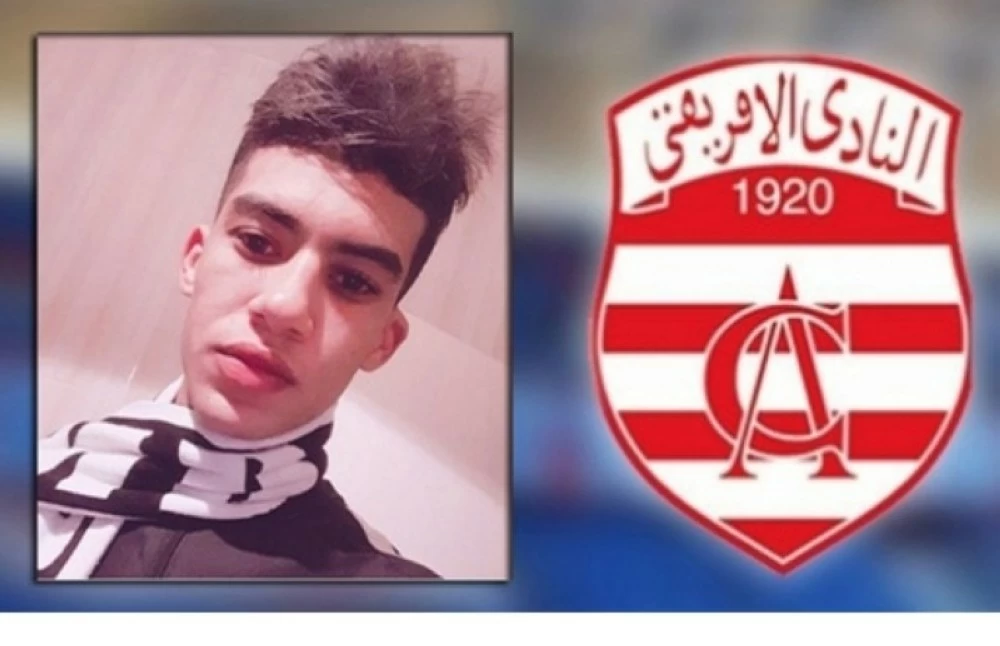
أسدلت محكمة التعقيب (أعلى سلطة قضائية في تونس)، الستار على واحدة من أكثر القضايا إثارة للجدل في الشارع الرياضي والحقوقي، بعدما أيّدت الحكم الاستئنافي القاضي بسجن 12 عون أمن لمدة عام واحد، مع تأجيل تنفيذ العقوبة، في القضية المعروفة إعلامياً بقضية وفاة مشجع النادي الأفريقي عمر العبيدي.
وجاء القرار برفض جميع مطالب التعقيب المقدّمة، لتصبح الأحكام الصادرة نهائية وباتّة، في ملف ظل مفتوحاً منذ ربيع 2018، وأثار موجة غضب واسعة داخل وخارج الملاعب.
وتعود فصول القضية إلى مساء 31 مارس 2018، عقب مباراة جمعت النادي الأفريقي وأولمبيك مدنين ضمن الدوري التونسي، على أرضية الملعب الأولمبي برادس.
وبعد صافرة النهاية، اندلعت مناوشات بين عدد من المشجعين وقوات الأمن في محيط الملعب، قبل أن تتطور الأحداث إلى مطاردات خارج الأسوار.
وخلال تلك المطاردات، لقي الشاب عمر العبيدي (18 عاماً) مصرعه غرقاً في وادي مليان القريب من الملعب، أثناء محاولته الفرار، في حادثة هزّت الرأي العام وطرحت تساؤلات خطيرة حول ملابسات الوفاة.
ولم تمر الحادثة مرور الكرام، إذ جرى لاحقاً تداول مقطع فيديو يُظهر مطاردة عدد من أعوان الأمن للمشجعين باتجاه مجرى الوادي، إلى جانب شهادات أكدت أن عمر العبيدي كان يستغيث، وسط اتهامات بتقاعس عناصر الأمن عن إنقاذه رغم قدرتهم على ذلك.
وأشعلت هذه المعطيات موجة احتجاجات وغضب جماهيري، وسط مطالبات بمحاسبة المسؤولين وعدم طيّ الملف.
ومع انطلاق التحقيقات، خضعت القضية لسلسلة طويلة من الاختبارات الفنية، والمعاينات، وسماع الشهود، قبل أن تُحصر الشبهات في 14 عون أمن.
ووجّهت إليهم تهمتان رئيسيتان:
التسبب في القتل غير العمد نتيجة الإهمال وعدم الاحتياط.
الامتناع عن إسعاف شخص في حالة خطر رغم القدرة على إنقاذه، وهي تهمة تُعد من أخطر الجرائم المرتبطة بالمسؤولية المهنية.
وخلصت المحاكم إلى تحميل الأعوان مسؤولية قانونية عمّا جرى، مع إصدار أحكام بالسجن، انتهت اليوم بتثبيتها نهائياً.
ورغم صدور الحكم، لا تزال قضية عمر العبيدي حاضرة بقوة في الذاكرة الجماعية التونسية، باعتبارها واحدة من أكثر القضايا التي طرحت أسئلة مؤلمة حول العنف في محيط الملاعب، وحدود استخدام القوة، ومسؤولية إنقاذ الأرواح.
واليوم، انتهت القصة قضائياً، لكنها ما زالت مفتوحة في وجدان الشارع التونسي الذي تفاعل نشطاؤه في وسائل التواصل الاجتماعي مع حكم القضاء التونسي.
The Court of Cassation (the highest judicial authority in Tunisia) has drawn the curtain on one of the most controversial cases in the sports and human rights community, after upholding the appellate ruling sentencing 12 security personnel to one year in prison, with the execution of the sentence postponed, in the case publicly known as the death of Club Africain supporter Omar Al-Abidi.
The decision came with the rejection of all requests for cassation submitted, making the issued rulings final and conclusive, in a file that has remained open since the spring of 2018, sparking widespread outrage both inside and outside the stadiums.
The events of the case date back to the evening of March 31, 2018, following a match between Club Africain and Olympique Medenine in the Tunisian league, held at the Olympic Stadium in Rades.
After the final whistle, clashes erupted between a number of supporters and security forces in the vicinity of the stadium, before the events escalated into chases outside the walls.
During those chases, young Omar Al-Abidi (18 years old) drowned in the nearby Melian River while trying to escape, in an incident that shook public opinion and raised serious questions about the circumstances of his death.
The incident did not go unnoticed, as a video clip later circulated showing several security personnel chasing supporters towards the riverbed, alongside testimonies confirming that Omar Al-Abidi was calling for help, amid accusations of security personnel's negligence in rescuing him despite their ability to do so.
These details ignited a wave of protests and public anger, with demands for accountability of those responsible and not to close the file.
As investigations began, the case underwent a long series of technical tests, inspections, and witness hearings, before narrowing down the suspicions to 14 security personnel.
They were charged with two main offenses:
Causing unintentional death due to negligence and lack of caution.
Failing to assist a person in danger despite the ability to save him, a charge considered one of the most serious crimes related to professional responsibility.
The courts concluded to hold the personnel legally responsible for what occurred, issuing prison sentences, which were confirmed today as final.
Despite the ruling, the case of Omar Al-Abidi remains strongly present in the collective memory of Tunisians, as one of the most painful cases raising questions about violence in the vicinity of stadiums, the limits of the use of force, and the responsibility to save lives.
Today, the story has ended judicially, but it remains open in the consciousness of the Tunisian street, where activists have actively reacted on social media to the Tunisian judiciary's ruling.