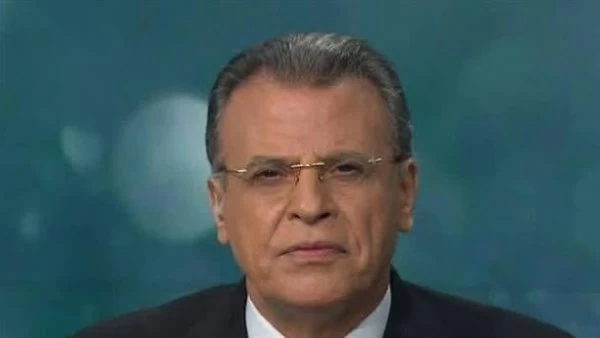
برحيل الإعلامي الفلسطيني الأردني جمال ريان عن عمر ناهز 72 عاماً تُطوى صفحة اسم ظل لسنوات طويلة موضع جدل حاد في الفضاء الإعلامي العربي، إذ لم يُنظر إليه لدى قطاع واسع من المتابعين بوصفه مذيعاً إخبارياً محايداً بقدر ما ارتبط حضوره بخطاب سياسي صدامي ومواقف مثيرة للريبة والانتقاد.
وُلد ريان في مدينة طولكرم الفلسطينية عام 1953، وبرز اسمه عربياً مع بدايات قناة الجزيرة في منتصف التسعينات، حيث كان من أوائل المذيعين الذين ظهروا على شاشتها. غير أن حضوره منذ تلك المرحلة لم يكن في نظر كثير من المتابعين مجرد صوتٍ يقرأ الأخبار، بل كان مذيعاً تحوم حوله الشبهات المهنية بسبب نبرته المنحازة وطريقة تعاطيه مع ملفات المنطقة.
وطوال سنوات ظهوره الإعلامي، اعتبر منتقدون أن ريان لم يلتزم بالحد الأدنى من المسافة المهنية التي تفصل بين المذيع والخبر، إذ كان يميل إلى الانخراط في خطاب سياسي مباشر يتسم بالحدة والاصطفاف. ومع تصاعد حضوره في منصات التواصل الاجتماعي، تحولت لغته إلى صيغة أكثر صدامية، خصوصاً تجاه دول الخليج ومواقفها السياسية، حتى بات –في نظر كثير من المتابعين– طرفاً في المعركة الإعلامية لا ناقلاً لها.
كما أثارت مواقفه المتكررة تجاه قضايا المنطقة انتقادات واسعة بسبب ما رآه مراقبون انحيازاً واضحاً في خطاباته؛ إذ لم يكن يظهر اهتماماً يُذكر بإبراز الجهود الخليجية في القضايا العربية والإنسانية، في مقابل خطاب متسامح أو مهادن تجاه أطراف إقليمية متهمة بإشعال الأزمات في المنطقة، وعلى رأسها إيران التي يرى كثير من المحللين أنها أحد أبرز أسباب التوتر وعدم الاستقرار في الشرق الأوسط.
ومع مرور السنوات، لم يعد اسم ريان مرتبطاً بدور المذيع الذي يقدّم الخبر بقدر ما ارتبط بخطاب سياسي حاد وسجالات متواصلة في الفضاء الرقمي، اتسمت في كثير من الأحيان بحدة اللغة وسطحية الطرح، ما جعل صورته لدى شريحة واسعة من الجمهور مرتبطة بالاستقطاب الإعلامي أكثر من ارتباطها بالعمل المهني التقليدي.
ومع إعلان وفاته، انقسمت الآراء حول إرثه؛ فبين من استحضر حضوره في بدايات القنوات الإخبارية العربية، ومن رأى أن السنوات الأخيرة من مسيرته رسّخت صورة إعلاميٍّ انزلق من موقع المذيع إلى موقع الناشط السياسي المنخرط في صدامات الرأي العام.
With the passing of the Palestinian-Jordanian media figure Jamal Rayan at the age of 72, a chapter closes on a name that has long been a subject of intense debate in the Arab media space. He was not viewed by a wide segment of followers as a neutral news presenter, but rather his presence was associated with a confrontational political discourse and positions that raised suspicion and criticism.
Rayan was born in the Palestinian city of Tulkarm in 1953, and his name gained prominence in the Arab world with the beginnings of Al Jazeera in the mid-1990s, where he was one of the first presenters to appear on its screen. However, his presence from that stage was not seen by many followers as merely a voice reading the news; he was a presenter surrounded by professional suspicions due to his biased tone and the way he dealt with regional issues.
Throughout his years in the media, critics argued that Rayan did not adhere to the minimum distance of professionalism that separates the presenter from the news, as he tended to engage in direct political discourse characterized by intensity and alignment. With the rise of his presence on social media platforms, his language shifted to a more confrontational tone, especially towards Gulf countries and their political stances, to the extent that he became – in the eyes of many followers – a party in the media battle rather than a mere transmitter of it.
His repeated positions on regional issues also sparked widespread criticism due to what observers saw as a clear bias in his speeches; he showed little interest in highlighting Gulf efforts in Arab and humanitarian issues, in contrast to a tolerant or conciliatory discourse towards regional parties accused of igniting crises in the region, foremost among them Iran, which many analysts view as one of the main causes of tension and instability in the Middle East.
As the years passed, Rayan's name became less associated with the role of a presenter delivering news and more linked to a sharp political discourse and ongoing debates in the digital space, often characterized by harsh language and superficial arguments, which made his image among a wide audience more related to media polarization than to traditional professional work.
With the announcement of his death, opinions were divided regarding his legacy; some recalled his presence in the early days of Arab news channels, while others believed that the last years of his career solidified the image of a media figure who slipped from the role of a presenter to that of a political activist engaged in public opinion clashes.