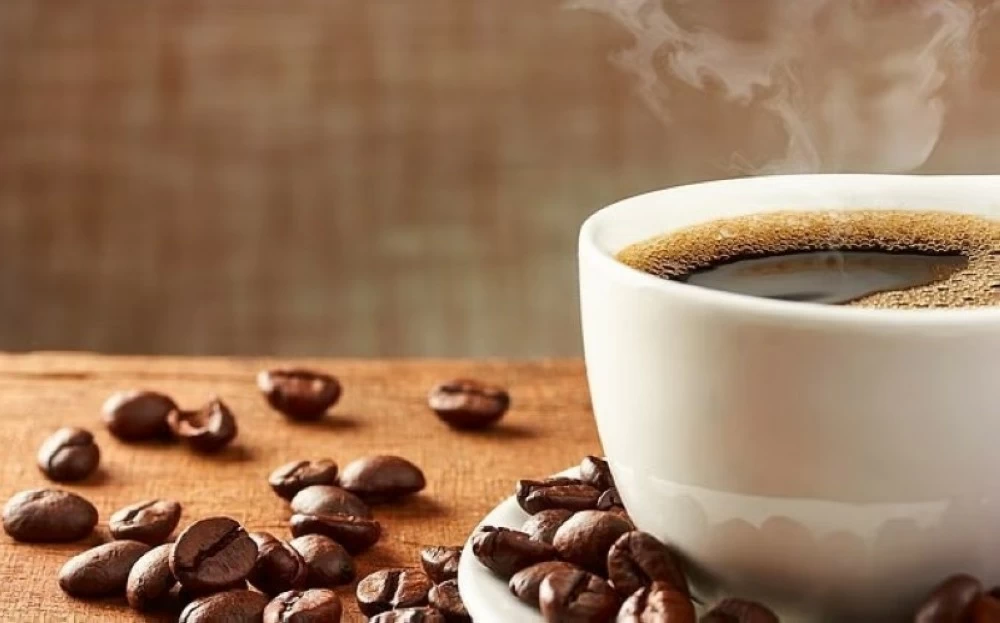
بعد أن كانت بريطانيا تُعرف تاريخياً بأنها «أمة الشاي»، كشفت دراسة حديثة أُجريت عام 2023 أن القهوة أصبحت المشروب المفضل للبريطانيين، إذ يتناولها بانتظام 63% من السكان، مقابل 59% فقط للشاي.
ولا يكاد يمر شهر دون صدور دراسة علمية جديدة تؤكد أن هذا الإقبال المتزايد على القهوة قد يحمل فوائد صحية حقيقية، من تحسين المزاج إلى تقليل مخاطر أمراض القلب والسكري.
القهوة والمزاج.. صباح أكثر سعادة
وبحسب صحيفة ديلي ميل، أظهرت إحدى أحدث الدراسات أن شاربي القهوة يشعرون بسعادة أكبر خلال أول ساعتين ونصف من اليوم مقارنة بمن لا يتناولونها.
ويُرجع العلماء ذلك إلى تأثير الكافيين في تعطيل امتصاص مادة «الأدينوزين» المسؤولة عن الشعور بالنعاس، ما يؤدي إلى زيادة إفراز «الدوبامين»، وهو ناقل عصبي مرتبط بالمزاج الجيد والانتباه.
وتوضح رئيسة مجموعة أبحاث الرفاهية والثقافة والشخصية في جامعة ووريك البروفيسورة أنو ريالو، أن هذا التحسن قد يكون أيضاً ناتجاً عن زوال أعراض الانسحاب الخفيفة للكافيين بعد تناول قهوة الصباح، وهو ما يمنح شعوراً فورياً بالراحة والنشاط.
فوائد صحية مثبتة علمياً
وتشير دراسات واسعة النطاق إلى أن شرب القهوة يرتبط بانخفاض خطر الإصابة بأمراض عدة، من بينها السكري من النوع الثاني، وأمراض القلب التاجية، والسكتة الدماغية، ويُعتقد أن السبب يعود إلى احتوائها على مضادات أكسدة قوية تقلل الالتهابات.
وفي نوفمبر الماضي، نشرت جمعية القلب الأمريكية دراسة أفادت بأن كوباً واحداً من القهوة يومياً قد يقلل بنسبة 39% من احتمال عودة اضطراب الرجفان الأذيني لدى من سبق لهم الإصابة به.
ليست كل حبوب القهوة متشابهة
ويوضح أستاذ الكيمياء في جامعة أوريغون وأحد أبرز خبراء القهوة البروفيسور كريستوفر هندون، أن العالم يستهلك نوعين رئيسيين من الحبوب وهما، روبوستا: غنية بالكافيين وأكثر حموضة، تُستخدم غالباً في القهوة سريعة التحضير، لكنها قد تسبب تهيجاً معدياً لبعض الأشخاص، أرابيكا: تمثل 70% من السوق العالمية، أقل كافييناً وأكثر لطفاً على المعدة، وتحتوي على مركبات مفيدة للكبد والدماغ.
القهوة والأسنان.. أيهما الأسوأ؟
ورغم شهرتها في تلطيخ الأسنان، أظهرت أبحاث حديثة أن زيادة حمض الكلوروجينيك في القهوة تعني تصبغاً أكبر، كما تبين أن القهوة الساخنة تُسبب تلطيخاً أكثر من القهوة المثلجة، في حين يساعد إضافة الحليب على تقليل التأثير بفضل بروتيناته التي تمنع التصاق الصبغات بمينا الأسنان.
كم كوباً في اليوم؟
ويتفق الباحثون على أن 3 إلى 4 أكواب يومياً هي الكمية المثالية للصحة، أي ما يعادل 400 ملغ من الكافيين، وهو الحد الأقصى الموصى به أوروبياً، وتجاوز هذه الكمية قد يؤدي إلى الأرق، القلق، تسارع ضربات القلب، واضطرابات هضمية.
ومن اللافت أن الإسبريسو، رغم مذاقه القوي، يحتوي على كافيين أقل من القهوة المفلترة، ما يسمح بتناول عدد أكبر من الأكواب الصغيرة مقارنة بالأكواب الكبيرة.
هل القهوة تعزز الذكاء فعلاً؟
ويحذّر بعض الخبراء من المبالغة في اعتبار القهوة «معززاً خارقاً للدماغ»، فالبروفيسور بيتر روجرز من جامعة بريستول يرى أن القهوة تساعد على اليقظة، لكنها لا تحسن بالضرورة الأداء الذهني، بل قد تؤدي إلى القلق وارتفاع ضغط الدم لدى بعض الأشخاص، ما يضعف التركيز.
هل القهوة سريعة التحضير خيار صحي؟
وشهدت القهوة الفورية محاولات «تجميل صحي» بإضافة مكونات نباتية مثل الفطر والأشواغاندا، إلا أن بعض الخبراء يشككون في جدوى هذه الإضافات، مؤكدين أن تناول هذه المكملات وحدها قد يكون أكثر فاعلية من إضافتها للقهوة.
الطقس أهم مما نعتقد
وتؤكد البروفيسورة ريالو، أن طقس شرب القهوة بحد ذاته يلعب دوراً مهماً في تحسين المزاج، حتى قبل أول رشفة. فالرائحة، التوقع، والمتعة الحسية تشكل تجربة نفسية متكاملة لا تقل أهمية عن الكافيين نفسه.
الماء وطحن الحبوب
ويشدد الخبراء على أن نوع الماء المستخدم يؤثر بشدة في طعم القهوة، كما يُنصح بحفظ الحبوب في الفريزر بعد طحنها للحفاظ على نكهتها وضمان استخلاص أفضل للمذاق.
After historically being known as the "tea nation," a recent study conducted in 2023 revealed that coffee has become the favorite beverage of the British, with 63% of the population consuming it regularly, compared to only 59% for tea.
Almost every month, a new scientific study is released confirming that this increasing demand for coffee may carry real health benefits, from improving mood to reducing the risks of heart disease and diabetes.
Coffee and Mood... A Happier Morning
According to the Daily Mail, one of the latest studies showed that coffee drinkers feel happier during the first two and a half hours of the day compared to those who do not consume it.
Scientists attribute this to the effect of caffeine in blocking the absorption of adenosine, a substance responsible for feelings of drowsiness, which leads to increased secretion of dopamine, a neurotransmitter associated with good mood and attention.
Professor Anu Rialo, head of the Wellbeing, Culture, and Personality Research Group at the University of Warwick, explains that this improvement may also result from the alleviation of mild caffeine withdrawal symptoms after consuming morning coffee, which provides an immediate sense of comfort and energy.
Scientifically Proven Health Benefits
Extensive studies indicate that drinking coffee is associated with a reduced risk of several diseases, including type 2 diabetes, coronary heart disease, and stroke, believed to be due to its strong antioxidants that reduce inflammation.
Last November, the American Heart Association published a study stating that one cup of coffee a day could reduce the likelihood of recurrent atrial fibrillation by 39% in those who have previously experienced it.
Not All Coffee Beans Are Alike
Professor Christopher Hendon, a chemistry professor at the University of Oregon and one of the leading coffee experts, explains that the world consumes two main types of beans: Robusta, which is rich in caffeine and more acidic, often used in instant coffee, but may cause gastric irritation for some people; and Arabica, which represents 70% of the global market, is lower in caffeine and gentler on the stomach, containing beneficial compounds for the liver and brain.
Coffee and Teeth... Which Is Worse?
Despite its reputation for staining teeth, recent research has shown that an increase in chlorogenic acid in coffee means greater pigmentation, and it has been found that hot coffee causes more staining than iced coffee, while adding milk helps reduce the effect due to its proteins that prevent pigments from adhering to tooth enamel.
How Many Cups a Day?
Researchers agree that 3 to 4 cups a day is the ideal amount for health, which equals 400 mg of caffeine, the maximum recommended amount in Europe. Exceeding this amount may lead to insomnia, anxiety, rapid heartbeat, and digestive disorders.
Interestingly, espresso, despite its strong flavor, contains less caffeine than filtered coffee, allowing for a greater number of small cups compared to large ones.
Does Coffee Really Boost Intelligence?
Some experts warn against overestimating coffee as a "super brain booster." Professor Peter Rogers from the University of Bristol believes that coffee helps with alertness but does not necessarily improve cognitive performance, and it may even lead to anxiety and high blood pressure in some individuals, which can impair concentration.
Is Instant Coffee a Healthy Option?
Instant coffee has seen attempts at "health beautification" by adding plant-based ingredients like mushrooms and ashwagandha, but some experts question the efficacy of these additions, asserting that taking these supplements alone may be more effective than adding them to coffee.
The Weather Matters More Than We Think
Professor Rialo emphasizes that the act of drinking coffee itself plays an important role in improving mood, even before the first sip. The aroma, anticipation, and sensory pleasure create a comprehensive psychological experience that is just as important as the caffeine itself.
Water and Grinding Beans
Experts stress that the type of water used greatly affects the taste of coffee, and it is recommended to store the beans in the freezer after grinding to preserve their flavor and ensure the best extraction of taste.