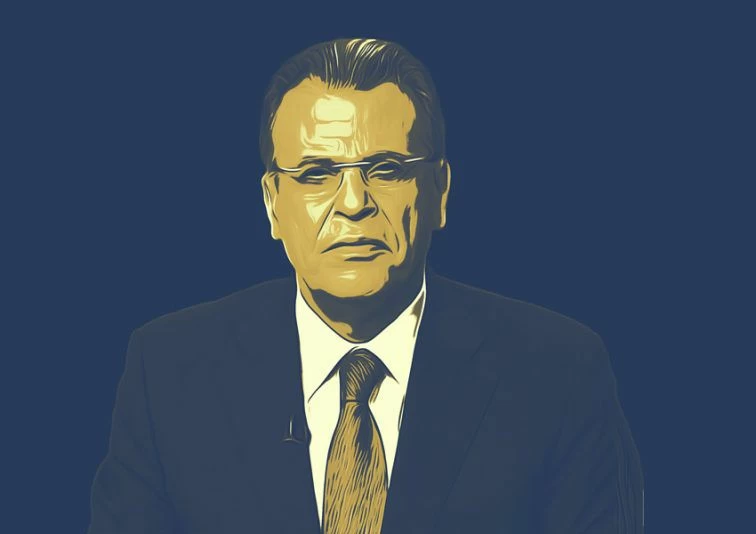
برحيل الإعلامي الفلسطيني الأردني جمال ريان عن عمر ناهز 72 عاماً، يُطوى فصل من فصول الإعلام العربي الذي ارتبط ببدايات القنوات الإخبارية الفضائية، قبل أن يتحول حضوره في سنواته الأخيرة إلى محور جدل واسع بسبب مواقفه السياسية الحادة وسجالاته في الفضاء الرقمي.
من الإذاعة إلى شاشة الأخبار
وُلد جمال ريان في مدينة طولكرم الفلسطينية عام 1953، وبدأ مسيرته الإعلامية مبكراً من بوابة الإذاعة الأردنية عام 1974، قبل أن ينتقل إلى التلفزيون الأردني ويعمل لاحقاً في عدد من المؤسسات الإعلامية الدولية.
وشملت تجربته المهنية محطات إعلامية بارزة، من بينها هيئة البث الكورية الجنوبية، وتلفزيون أبوظبي، إضافة إلى هيئة الإذاعة البريطانية «بي بي سي» العربية، إذ اكتسب خبرة مهنية امتدت لسنوات طويلة في العمل الإخباري.
حضور مبكر في تجربة الجزيرة
برز اسم ريان عربياً مع انطلاق قناة الجزيرة عام 1996، إذ كان من أوائل المذيعين الذين ظهروا على شاشتها، مقدماً أول نشرة أخبار في القناة. وقد جعل هذا الظهور اسمه جزءاً من الذاكرة الأولى لتجربة القنوات الإخبارية الفضائية العربية.
وفي تلك المرحلة عُرف بأسلوبه الهادئ ولغته الإعلامية المنضبطة، متأثراً بالمدرسة الإذاعية التقليدية التي تقوم على الفصل الواضح بين المذيع والخبر، والحفاظ على مسافة مهنية مع القضايا المطروحة.
تحوّل نحو التعليق السياسي
غير أن مسيرته شهدت تحوّلاً ملحوظاً في سنواته الأخيرة، إذ خرج تدريجياً من إطار المذيع الإخباري إلى موقع المعلّق السياسي، خصوصاً عبر حساباته في منصات التواصل الاجتماعي.
واتسمت مواقفه بنبرة حادة واصطفافات سياسية واضحة في عدد من القضايا الإقليمية، ما أثار موجة من الانتقادات التي رأت أن خطابه بات أقرب إلى التعبئة السياسية منه إلى التحليل الإعلامي.
سجالات وانتقادات في الفضاء الرقمي
كما رأى منتقدون أن بعض تعليقاته حملت قدراً من التناقض، وبدا في أحيان كثيرة بعيداً عن المعايير المهنية التي ارتبط بها اسمه في بداياته الإعلامية.
فبدلاً من المحافظة على المسافة المهنية التي ميّزت ظهوره الأول، انخرط في سجالات مباشرة مع خصوم سياسيين وإعلاميين عبر منصات التواصل، ما جعل حضوره في سنواته الأخيرة مرتبطاً بالاستقطاب أكثر من ارتباطه بالدور الإعلامي التقليدي.
مسيرة بين مهنيّة البدايات وجدَل النهايات
وتبقى تجربة جمال ريان مثالاً لتحولات يشهدها بعض الإعلاميين مع اتساع فضاء التعبير الرقمي؛ إذ تبدأ المسيرة بصوت مهني يقدّم الخبر، لكنها قد تنتهي بصوت سياسي منخرط في صراعات الرأي العام.
وبين تلك البدايات المهنية والنهايات المثقلة بالجدل، يظل إرث ريان الإعلامي محل تقييم متباين بين من يستحضر حضوره المبكر في نشرات الأخبار، ومن يقرأ سنواته الأخيرة في ضوء سجالات السياسة والفضاء الرقمي.
With the passing of the Palestinian-Jordanian journalist Jamal Rayan at the age of 72, a chapter of Arab media that was linked to the beginnings of satellite news channels comes to a close. In his later years, his presence became a focal point of extensive debate due to his sharp political stances and discussions in the digital space.
From Radio to News Screen
Jamal Rayan was born in the Palestinian city of Tulkarm in 1953, and he began his media career early through Jordanian radio in 1974, before moving to Jordanian television and later working with several international media organizations.
His professional experience included prominent media stations, including the South Korean Broadcasting System, Abu Dhabi TV, in addition to the BBC Arabic, where he gained extensive professional experience in news reporting over many years.
Early Presence in Al Jazeera Experience
Rayan's name became prominent in the Arab world with the launch of Al Jazeera in 1996, as he was one of the first presenters to appear on its screen, presenting the channel's first news bulletin. This appearance made his name part of the early memory of the experience of Arab satellite news channels.
During that phase, he was known for his calm style and disciplined media language, influenced by the traditional radio school that emphasizes a clear separation between the presenter and the news, maintaining a professional distance from the issues presented.
A Shift Towards Political Commentary
However, his career witnessed a notable shift in his later years, as he gradually moved from the role of news presenter to that of political commentator, particularly through his accounts on social media platforms.
His stances were characterized by a sharp tone and clear political alignments on several regional issues, which sparked a wave of criticism that felt his discourse had become closer to political mobilization than to media analysis.
Debates and Criticism in the Digital Space
Critics also noted that some of his comments carried a degree of contradiction, and he often appeared distant from the professional standards that had been associated with his name in his early media career.
Instead of maintaining the professional distance that distinguished his initial appearances, he engaged in direct debates with political and media opponents through social platforms, which made his presence in his later years more associated with polarization than with the traditional media role.
A Career Between Professional Beginnings and Controversial Endings
Jamal Rayan's experience remains an example of the transformations some journalists undergo with the expansion of digital expression; the journey begins with a professional voice delivering the news, but it may end with a political voice engaged in public opinion conflicts.
Between those professional beginnings and the controversial endings, Rayan's media legacy remains a subject of varied evaluation between those who recall his early presence in news bulletins and those who read his later years in light of political debates and the digital space.