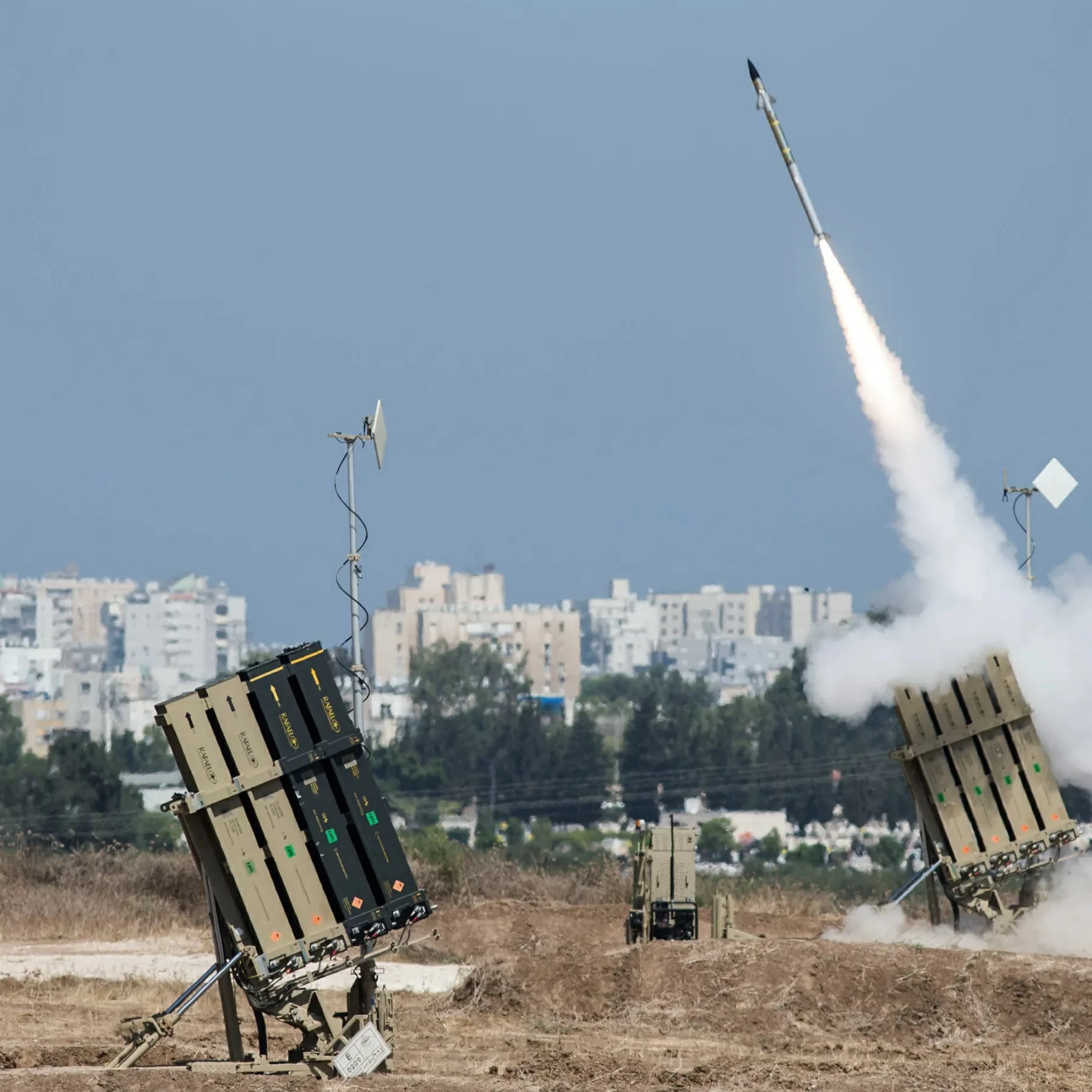
كشف مسؤولون أمريكيون أن إسرائيل أبلغت الولايات المتحدة هذا الأسبوع بأنها تواجه نقصاً حاداً في صواريخ اعتراض الصواريخ الباليستية، في وقت تستمر فيه الحرب مع إيران، بحسب ما نقل موقع «سيمافور» الأمريكي.
تسريع استنزاف الصواريخ الاعتراضية
وحسب الموقع، فإن إسرائيل دخلت الحرب الحالية وهي تعاني بالفعل من نقص في هذه الصواريخ الاعتراضية، بعد استهلاك عدد كبير منها خلال الصراع مع إيران في الصيف الماضي.
وأضاف التقرير أن منظومة الدفاع بعيدة المدى لدى إسرائيل تعرضت لضغط شديد نتيجة الهجمات الإيرانية، لافتا إلى ما أوردته شبكة «CNN» الأمريكية بشأن بدء طهران في إضافة ذخائر عنقودية إلى صواريخها، وهو ما قد يؤدي إلى تسريع استنزاف مخزون الصواريخ الاعتراضية الإسرائيلية.
لدينا كل ما نحتاجه لحماية قواعدنا
وقال أحد المسؤولين الأمريكيين للموقع: إن الولايات المتحدة كانت على دراية منذ أشهر بنقص القدرات الدفاعية الإسرائيلية، مضيفاً: «هذا أمر كنا نتوقعه ونتحسّب له». وشدد المسؤول على أن الولايات المتحدة لا تعاني من نقص مماثل في صواريخ الاعتراض الخاصة بها.
ويأتي هذا التصريح في ظل مخاوف أوسع من احتمال استنزاف هذه الصواريخ إذا استمر الانخراط العسكري لفترة طويلة في إيران، ما قد يضع الولايات المتحدة في موقف ضعيف.
وأشار التقرير إلى أنه لا يزال من غير الواضح ما إذا كانت الولايات المتحدة قد تسعى إلى بيع أو مشاركة جزء من مخزونها من الصواريخ الاعتراضية مع إسرائيل، وهو خيار قد يفرض بدوره ضغوطاً إضافية على الإمدادات المحلية.
وقال المسؤول: «لدينا كل ما نحتاجه لحماية قواعدنا وقواتنا ومصالحنا في المنطقة»، مضيفاً أن إسرائيل «تعمل على إيجاد حلول لمعالجة» هذا النقص.
وسائل أخرى لمواجهة الصواريخ الإيرانية
ووفق التقرير، فإن لدى إسرائيل وسائل أخرى للتصدي للصواريخ الإيرانية خلال الحرب، من بينها استخدام الطائرات المقاتلة، غير أن الصواريخ الاعتراضية تُعد من أكثر وسائل الدفاع فاعلية في مواجهة الهجمات الصاروخية بعيدة المدى. أما منظومة القبة الحديدية الإسرائيلية فهي مصممة أساساً لاعتراض الصواريخ قصيرة المدى.
وذكر مركز الدراسات الاستراتيجية والدولية أن الولايات المتحدة أطلقت أكثر من 150 صاروخاً اعتراضياً من منظومة الدفاع الصاروخي «ثاد» خلال الحرب التي استمرت 12 يوماً مع إيران في يونيو الماضي، وهو ما يُعتقد أنه كان يمثل نحو ربع المخزون الأمريكي في ذلك الوقت.
وقررت وزارة الدفاع (البنتاغون) في يناير الماضي زيادة إنتاج منظومة «ثاد» بشكل كبير، وأفاد المسؤول الأمريكي بأن الإدارة تمتلك كميات وافرة من هذه المنظومات، إلى جانب الطائرات المقاتلة وصواريخ الاعتراض متوسطة المدى.
American officials revealed that Israel informed the United States this week that it is facing a severe shortage of ballistic missile interceptors, at a time when the war with Iran continues, according to the American website "Semafor."
Accelerating the Depletion of Interceptor Missiles
According to the site, Israel entered the current war already suffering from a shortage of these interceptor missiles, after consuming a large number of them during the conflict with Iran last summer.
The report added that Israel's long-range defense system has been under severe pressure due to Iranian attacks, noting what the American network "CNN" reported about Tehran starting to add cluster munitions to its missiles, which could accelerate the depletion of Israel's interceptor missile stockpile.
We have everything we need to protect our bases
One American official told the site that the United States has been aware for months of the Israeli defensive capability shortage, adding: "This is something we expected and prepared for." The official emphasized that the United States does not suffer from a similar shortage in its interceptor missiles.
This statement comes amid broader concerns about the potential depletion of these missiles if military engagement continues for an extended period in Iran, which could put the United States in a vulnerable position.
The report noted that it remains unclear whether the United States will seek to sell or share part of its interceptor missile stockpile with Israel, a move that could, in turn, put additional pressure on domestic supplies.
The official stated: "We have everything we need to protect our bases, our forces, and our interests in the region," adding that Israel is "working to find solutions to address" this shortage.
Other Means to Counter Iranian Missiles
According to the report, Israel has other means to counter Iranian missiles during the war, including the use of fighter jets; however, interceptor missiles are considered one of the most effective defense methods against long-range missile attacks. The Israeli Iron Dome system is primarily designed to intercept short-range missiles.
The Center for Strategic and International Studies mentioned that the United States launched more than 150 interceptor missiles from the "THAAD" missile defense system during the 12-day war with Iran last June, which is believed to have represented about a quarter of the American stockpile at that time.
The Department of Defense (Pentagon) decided last January to significantly increase the production of the "THAAD" system, and the American official stated that the administration possesses ample quantities of these systems, along with fighter jets and medium-range interceptor missiles.