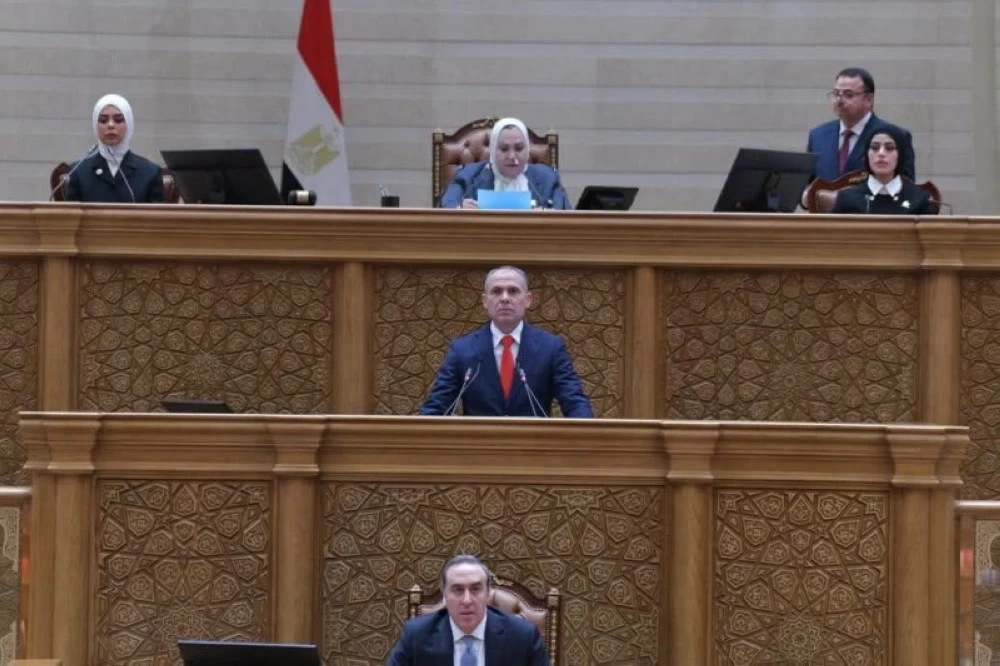
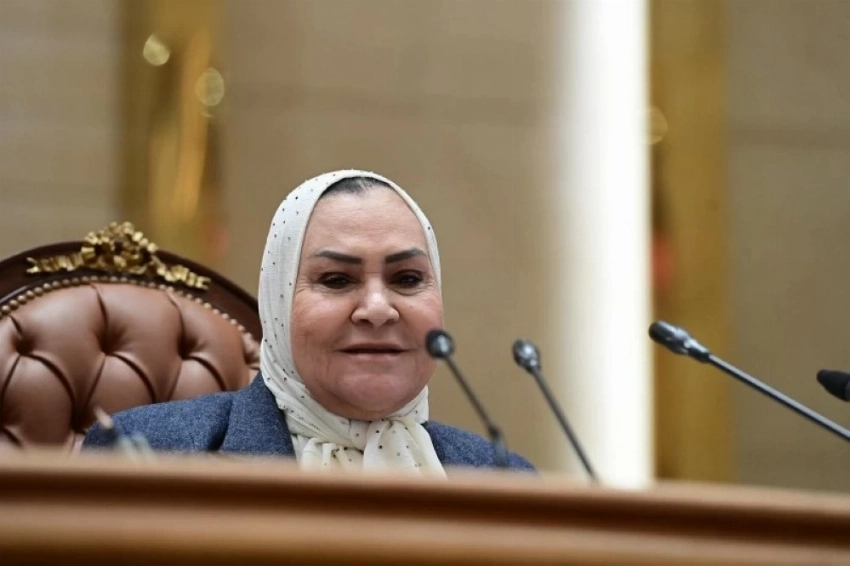
لأول مرة في تاريخ البرلمان المصري، قادت 3 سيدات الجلسة الافتتاحية الإجرائية لأداء اليمين الدستورية وانتخاب رئيس المجلس والوكيلين.
وشهدت العاصمة الإدارية الجديدة اليوم (الإثنين) انطلاق أعمال مجلس النواب المصري في دور الانعقاد العادي الأول من الفصل التشريعي الثالث (2026 - 2031)، وذلك عقب أطول ماراثون انتخابي في تاريخ الحياة النيابية المصرية، وفقاً لقرار رئيس الجمهورية عبد الفتاح السيسي رقم 17 لسنة 2026 بدعوة المجلس للانعقاد.
بدأت الجلسة الافتتاحية بمقر المجلس الجديد، بحضور المستشار محمود فوزي وزير الشؤون النيابية والقانونية والتواصل السياسي، وأدارها أكبر الأعضاء الحاضرين سنًا، وهي النائبة عبلة الهواري، التي تولت رئاسة الجلسة الإجرائية مؤقتاً، ويعاونها أصغر عضوين من الأعضاء وهما النائبة سامية الحديدي والنائبة سجى هندي، وذلك وفقاً لأحكام اللائحة الداخلية للمجلس (المادة 276) والدستور المصري.
جدول أعمال الجلسة الافتتاحية
بدأت الجلسة بتلاوة قرار رئيس الجمهورية رقم 17 لسنة 2026 بدعوة المجلس للانعقاد، كما عرض قرارات الهيئة الوطنية للانتخابات بإعلان النتائج النهائية لانتخابات مجلس النواب.
وعُرض قرار رئيس الجمهورية رقم 16 لسنة 2026 بتعيين 28 عضواً (نشر بالجريدة الرسمية أمس 11 يناير 2026)، ليصل إجمالي عدد الأعضاء إلى 596 عضواً.
وأدى الأعضاء الجدد اليمين الدستورية، ونصها: «أقسم بالله العظيم أن أحافظ مخلصاً على النظام الجمهوري، وأن أحترم الدستور والقانون، وأن أرعى مصالح الشعب رعاية كاملة، وأن أحافظ على استقلال الوطن ووحدة وسلامة أراضيه».
كما تم فتح باب الترشح والتصويت لانتخاب رئيس مجلس النواب والوكيلين لمدة الفصل التشريعي كاملاً (5 سنوات).
ويُعد تولي النائبة عبلة الهواري رئاسة الجلسة الافتتاحية خطوة بارزة تعكس التقدم في تمثيل المرأة داخل البرلمان المصري، حيث أشاد بها مراقبون وكتاب كدلالة على التطور المؤسسي والنوعي في المشاركة النسائية.
وبهذه الخطوة يدخل المجلس مرحلة جديدة من العمل التشريعي والرقابي، وسط توقعات بأن يشهد الفصل التشريعي الثالث استكمالاً لمسيرة الإصلاحات في إطار «الجمهورية الجديدة».
For the first time in the history of the Egyptian Parliament, three women led the procedural opening session for the oath of office and the election of the Speaker and the two deputies.
Today (Monday), the New Administrative Capital witnessed the launch of the Egyptian House of Representatives' work in the first ordinary session of the third legislative term (2026 - 2031), following the longest electoral marathon in the history of Egyptian parliamentary life, according to the decision of President Abdel Fattah El-Sisi No. 17 of 2026 calling for the council to convene.
The opening session began at the new council headquarters, attended by Counselor Mahmoud Fawzy, Minister of Parliamentary Affairs, Legal Affairs, and Political Communication. It was chaired temporarily by the oldest member present, Representative Abla El-Hawari, assisted by the two youngest members, Representative Samia El-Hadidi and Representative Saga Hindi, in accordance with the provisions of the council's internal regulations (Article 276) and the Egyptian Constitution.
Agenda of the Opening Session
The session began with the reading of President El-Sisi's decision No. 17 of 2026 calling for the council to convene, and the decisions of the National Elections Authority were presented announcing the final results of the House of Representatives elections.
President El-Sisi's decision No. 16 of 2026 was also presented, appointing 28 members (published in the official gazette on January 11, 2026), bringing the total number of members to 596.
The new members took the oath of office, which states: "I swear by Almighty God to faithfully uphold the republican system, to respect the Constitution and the law, to fully safeguard the interests of the people, and to maintain the independence of the homeland and the unity and integrity of its territories."
The nomination and voting for the election of the Speaker of the House of Representatives and the two deputies were also opened for the entire legislative term (5 years).
The assumption of the chair by Representative Abla El-Hawari for the opening session is a significant step that reflects the progress in women's representation within the Egyptian Parliament, as observers and writers praised it as an indication of institutional and qualitative development in women's participation.
With this step, the council enters a new phase of legislative and oversight work, amid expectations that the third legislative term will continue the path of reforms within the framework of the "New Republic".