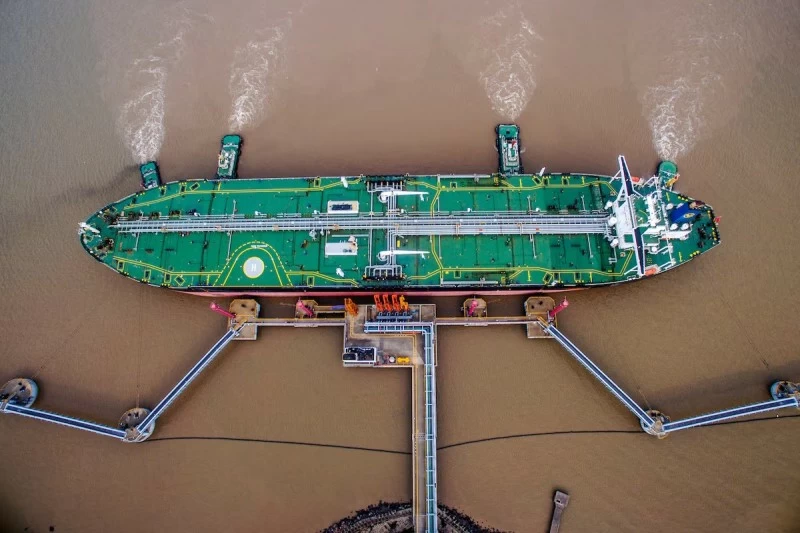
ذكرت وكالة رويترز، عن 3 مصادر دبلوماسية أن الصين تجري محادثات مع إيران بهدف ضمان مرور آمن لناقلات النفط الخام وسفن الغاز الطبيعي المسال القادمة من قطر عبر مضيق هرمز، في ظل تصاعد الحرب بين الولايات المتحدة وإسرائيل من جهة وطهران من جهة أخرى.
وتأتي هذه التحركات بينما دخلت الحرب يومها السابع، ما أدى إلى تعطّل شبه كامل في واحد من أهم الممرات البحرية للطاقة في العالم، وهو الممر الذي يمر عبره نحو خُمس الإمدادات العالمية من النفط والغاز الطبيعي المسال.
قلق صيني من شلل الملاحة
وبحسب المصادر، فإن بكين التي تربطها علاقات وثيقة بطهران وتعتمد بشكل كبير على الطاقة القادمة من الشرق الأوسط، غير راضية عن الخطوات الإيرانية التي أدت إلى شلل حركة الملاحة في المضيق، وتضغط على إيران للسماح بمرور آمن للسفن.
وتحصل الصين على نحو 45% من وارداتها النفطية عبر مضيق هرمز، ما يجعل استقرار الممر البحري مسألة حيوية للاقتصاد الصيني.
وبحسب بيانات تتبع السفن، مرت ناقلة تحمل اسم Iron Maidenعبر المضيق ليلة أمس بعد تغيير إشارة الملكية إلى «صينية المالك»، لكن الخبراء يؤكدون أن مروراً محدوداً كهذا غير كافٍ لتهدئة الأسواق العالمية، حيث تظهر بيانات شركة تتبع السفن أن عدد ناقلات النفط التي عبرت المضيق انخفض إلى أربع سفن فقط في الأول من مارس، وهو اليوم التالي لاندلاع المواجهات، مقارنة بمتوسط 24 ناقلة يومياً منذ بداية العام، وفقاً لتقارير رسمية.
كما تشير التقديرات إلى أن نحو 300 ناقلة نفط ما زالت عالقة داخل المضيق وفق بيانات شركتي Vortexa و Kpler المتخصصتين في تتبع حركة الشحن.
ارتفاع أسعار النفط وتراجع حركة الناقلات
ومنذ اندلاع الحرب، ارتفعت أسعار النفط الخام بأكثر من 15%، وسط توقفات في الإنتاج وهجمات إيرانية استهدفت منشآت طاقة في الخليج إضافة إلى سفن تعبر المضيق.
كما وصلت الصواريخ الإيرانية إلى مناطق بعيدة نسبياً مثل قبرص وأذربيجان وتركيا، ما زاد من اضطراب الأسواق العالمية ودفع اقتصادات كبرى للتحذير من مخاطر ارتفاع التضخم.
مرور محدود للسفن الصينية والإيرانية
وقال خبراء في قطاع تجارة السلع إن بعض السفن ما زالت تعبر المضيق حالياً، لكنها في الغالب مملوكة لشركات صينية أو إيرانية.
قيود إيرانية على السفن الغربية
وكانت الحكومة الإيرانية قد أعلنت في وقت سابق من هذا الأسبوع أنها لن تسمح بمرور أي سفن تابعة للولايات المتحدة أو إسرائيل أو الدول الأوروبية أو حلفائها عبر مضيق هرمز.
غير أن البيان الإيراني لم يتطرق إلى السفن الصينية، وهو ما يفسر المحادثات الجارية بين بكين وطهران لضمان استمرار تدفق الطاقة إلى ثاني أكبر اقتصاد في العالم.
Reuters reported, citing three diplomatic sources, that China is in talks with Iran to ensure the safe passage of crude oil tankers and liquefied natural gas ships coming from Qatar through the Strait of Hormuz, amid escalating conflict between the United States and Israel on one side and Tehran on the other.
These moves come as the war has entered its seventh day, leading to a near-complete disruption in one of the world's most important energy shipping lanes, through which about one-fifth of global oil and liquefied natural gas supplies pass.
Chinese Concern Over Navigation Standstill
According to the sources, Beijing, which has close ties with Tehran and relies heavily on energy from the Middle East, is dissatisfied with Iranian actions that have led to a standstill in navigation in the strait, and is pressuring Iran to allow safe passage for ships.
China obtains about 45% of its oil imports through the Strait of Hormuz, making the stability of this maritime route vital for the Chinese economy.
According to ship tracking data, a tanker named Iron Maiden passed through the strait last night after changing its ownership signal to "Chinese owner," but experts assert that such limited passage is insufficient to calm global markets, as data from a ship tracking company shows that the number of oil tankers that passed through the strait dropped to only four ships on March 1, the day after the outbreak of hostilities, compared to an average of 24 tankers daily since the beginning of the year, according to official reports.
Estimates also indicate that about 300 oil tankers remain stuck inside the strait according to data from Vortexa and Kpler, companies specializing in tracking shipping movements.
Rising Oil Prices and Declining Tanker Movement
Since the outbreak of the war, crude oil prices have risen by more than 15%, amid production stoppages and Iranian attacks targeting energy facilities in the Gulf in addition to ships crossing the strait.
Iranian missiles have also reached relatively distant areas such as Cyprus, Azerbaijan, and Turkey, further disrupting global markets and prompting major economies to warn of rising inflation risks.
Limited Passage for Chinese and Iranian Ships
Experts in the commodities trade sector stated that some ships are still crossing the strait currently, but they are mostly owned by Chinese or Iranian companies.
Iranian Restrictions on Western Ships
The Iranian government had announced earlier this week that it would not allow any ships belonging to the United States, Israel, European countries, or their allies to pass through the Strait of Hormuz.
However, the Iranian statement did not address Chinese ships, which explains the ongoing talks between Beijing and Tehran to ensure the continued flow of energy to the world's second-largest economy.