


أكد علماء الحيوان أن افتراس الأمهات لصغارها ليس ظاهرة نادرة، بل أمر شائع يظهر في أكثر من 1500 فصيلة تشمل الثدييات والحشرات والأسماك، وحتى بعض الحيوانات الأليفة.
ويشرح خبراء السلوك البيئي أن هذا السلوك يرتبط مباشرة بإستراتيجيات التكاثر، إذ يمثل إنجاب الصغار ورعايتهم استثماراً كبيراً للطاقة والموارد. فالحيوانات التي تنجب عدداً قليلاً من الصغار (مثل الأفيال والحيتان) نادراً ما تلجأ لهذا السلوك، بينما الأنواع التي تتكاثر بسرعة أو تنتج أعداداً كبيرة من الصغار، ترى أن التخلص من بعضهم أحياناً يحسن فرص النجاة العامة للنسل.
وتنقسم أسباب افتراس الصغار إلى جزئي وكلي: فالافتراس الجزئي شائع لدى الحشرات والأسماك عند نقص الغذاء أو لتنظيم أعداد الصغار بما يتناسب مع الموارد المتاحة، بينما يحدث الافتراس الكلي عادة إذا وُلد الصغير ضعيفاً أو مريضاً، ما يدفع الأم للتخلص منه ومحاولة إنجاب صغار أصحاء.
وبحسب الدراسات، تلعب الوراثة دوراً أيضاً، إذ يمكن لبعض الذكور التمييز بين صغارها وصغار آخرين، فيقومون بافتراس الصغار غير المنتمين إليهم. كما قد يؤدي التوتر والعيش في بيئات خطرة إلى دفع الأمهات إلى هذا السلوك كوسيلة لحماية فرص بقائها واستمرار نسلها مستقبلاً.
ويخلص العلماء إلى أن افتراس الصغار ظاهرة معقدة ومتعددة الأبعاد، وتستمر الأبحاث للكشف عن دوافعها العميقة والأسباب البيئية والوراثية التي تحكمها.
لماذا تفترس 1500 فصيلة من الحيوانات صغارها؟
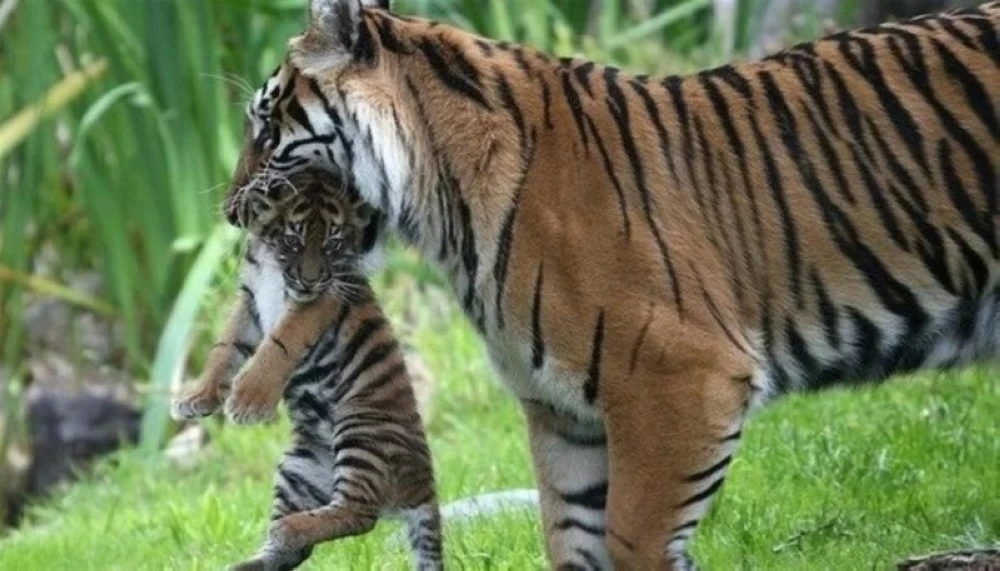


Animal scientists have confirmed that mothers preying on their young is not a rare phenomenon, but rather a common occurrence seen in more than 1,500 species, including mammals, insects, fish, and even some pets.
Environmental behavior experts explain that this behavior is directly related to reproductive strategies, as giving birth to and raising young represents a significant investment of energy and resources. Animals that give birth to a small number of young (such as elephants and whales) rarely resort to this behavior, while species that reproduce quickly or produce large numbers of young find that sometimes eliminating some of them improves the overall survival chances of the offspring.
The reasons for preying on young can be divided into partial and total: partial predation is common among insects and fish when food is scarce or to regulate the number of young in accordance with available resources, while total predation usually occurs if the young are born weak or sick, prompting the mother to eliminate them and attempt to give birth to healthy young.
According to studies, genetics also play a role, as some males can distinguish between their young and others, leading them to prey on the young that do not belong to them. Additionally, stress and living in hazardous environments may drive mothers to this behavior as a means of protecting their chances of survival and ensuring the continuation of their lineage in the future.
Scientists conclude that predation on young is a complex and multifaceted phenomenon, and research continues to uncover its deeper motivations and the environmental and genetic factors that govern it.





