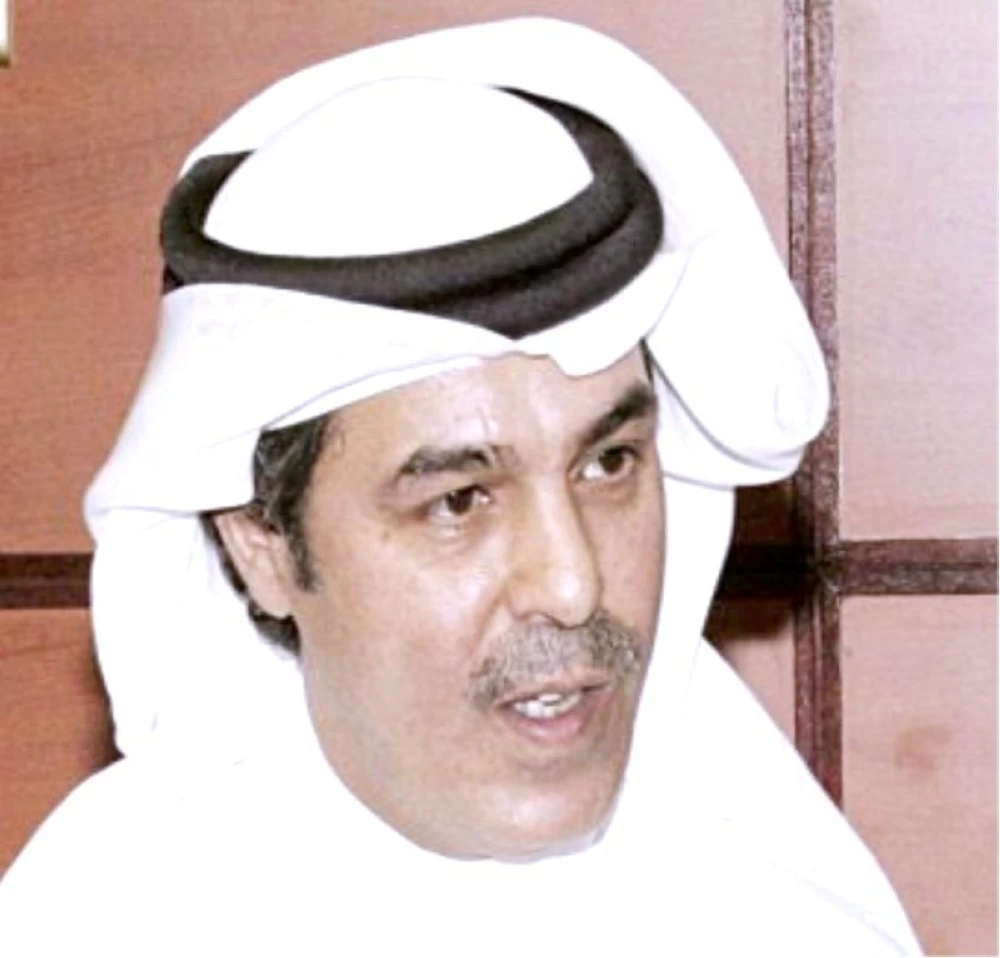
ليس من السهل أن تُمسك بسيرة صحفي مثل منصور عثمان الزهراني، تمرّس المهنة على أصولها في أعرق الصحف السعودية «عكاظ» والبلاد والجزيرة؛ لأن حضوره يتجاوز التعريفات الجافة، ويتسلل إلى المسافة الأعمق بين الكلمة وقارئها.
أبو فرح، صحفيٌّ بالمعنى المهني الصارم، وإنسانٌ بالمعنى الذي يجعل المهنة أكثر رحابة وأقل قسوة، وكاتبٌ أنيقٌ يعرف كيف يضع الجملة في مكانها دون ضجيج، ثم يتركها تعمل وحدها.
في مسيرته الإعلامية، لم يكتب ليملأ فراغاً، ولا ليُكمل عدداً، بل ليصنع معنى.
نصوصه لا تُقرأ على عجل؛ لأنها مصمَّمة لتُبطئ القارئ، لتسرق منه الوقت لا عنوةً بل إغواءً.
يفتح باب الفكرة، ثم يغوص في أعماقها، كأنه يختبر صبر الأسئلة قبل أن يمنحها حق الإجابة.
هكذا يصبح النص عنده مساحة تفكير مشتركة، لا منصة خطاب أحادي.
شخصيته آسرة بلا افتعال؛ حضورٌ يُشيع الفرح حيثما حلّ، ويمنح المكان خفّة لا تُفسد الوقار.
من عمل معه يدرك سريعاً، أن الألفة عنده ليست نقيض الاحتراف، وأن الاحترام لا يحتاج إلى مسافة باردة. يعرف كيف يصغي، وكيف يختلف، وكيف يحفظ للآخرين حقهم في الضوء، وهي خصال لا تُدرَّس بقدر ما تُكتسب بالوعي والتجربة.
ويظل للبعد الشخصي مكانه الأصدق في هذه السيرة؛ فبالنسبة لي، كان أول من راهن عليّ دون تردّد، ومنحني رئاسة قسم وأنا ما زلت في بدايات شقّي لطريق «مهنة المتاعب». لم يكن ذلك قراراً إدارياً عابراً، بل ثقة مبكرة غيّرت مساراً كاملاً. كان اليد التي تتقدّم حين تعصف الرياح، والكتف الذي يسند الفكرة قبل صاحبها، والعقل الهادئ الذي يعرف متى يتركك تتعلّم من الخطأ، ومتى يتدخّل ليوقف العواصف العاتية قبل أن تُغرق السفينة. ذلك النوع من القادة الذين لا يصنعون أتباعاً، بل يصنعون زملاء قادرين على الوقوف بثبات، والكتابة بثقة، والمضيّ دون خوف.
هو «أبو فرح»؛ لأن الفرح جزء من تعريفه، ولأن الكتابة عنده فعل حياة، لا واجب مهنة. رجلٌ إذا كتب أنصت القارئ، وإذا حضر اتّسع المكان. وفي زمن الاستهلاك السريع تبقى هذه القيمة نادرة.. وتستحق أن تُقال كما هي.
It is not easy to capture the essence of a journalist like Mansour Othman Al-Zahrani, who mastered the profession in its fundamentals at the most prestigious Saudi newspapers, "Okaz," Al-Bilad, and Al-Jazirah; because his presence transcends dry definitions and delves into the deeper space between the word and its reader.
Abu Farah is a journalist in the strict professional sense, and a human being in the sense that makes the profession more spacious and less harsh, and an elegant writer who knows how to place a sentence in its right place without noise, then lets it work on its own.
In his media career, he did not write to fill a void, nor to complete a number, but to create meaning.
His texts are not read in haste; they are designed to slow the reader down, to steal time from them not by force but by allure.
He opens the door to the idea, then dives into its depths, as if testing the patience of questions before granting them the right to answer.
This way, the text becomes a shared space for thought, not a platform for a singular discourse.
His personality is captivating without pretense; a presence that spreads joy wherever he goes, and gives the place a lightness that does not undermine dignity.
Anyone who has worked with him quickly realizes that familiarity for him is not the opposite of professionalism, and that respect does not require a cold distance. He knows how to listen, how to differ, and how to preserve others' right to the spotlight, traits that are not taught as much as they are acquired through awareness and experience.
And the personal dimension remains the truest place in this narrative; for me, he was the first to bet on me without hesitation, and he granted me the head of the department while I was still at the beginning of my journey in the "profession of troubles." That was not a fleeting administrative decision, but an early trust that changed an entire path. He was the hand that reaches out when the winds blow, the shoulder that supports the idea before its owner, and the calm mind that knows when to let you learn from mistakes, and when to intervene to stop the raging storms before they sink the ship. That kind of leader who does not create followers, but rather creates colleagues capable of standing firm, writing with confidence, and moving forward without fear.
He is "Abu Farah"; because joy is part of his definition, and because writing for him is an act of life, not a professional duty. A man who, when he writes, makes the reader listen, and when he is present, the space expands. In an age of rapid consumption, this value remains rare... and deserves to be stated as it is.