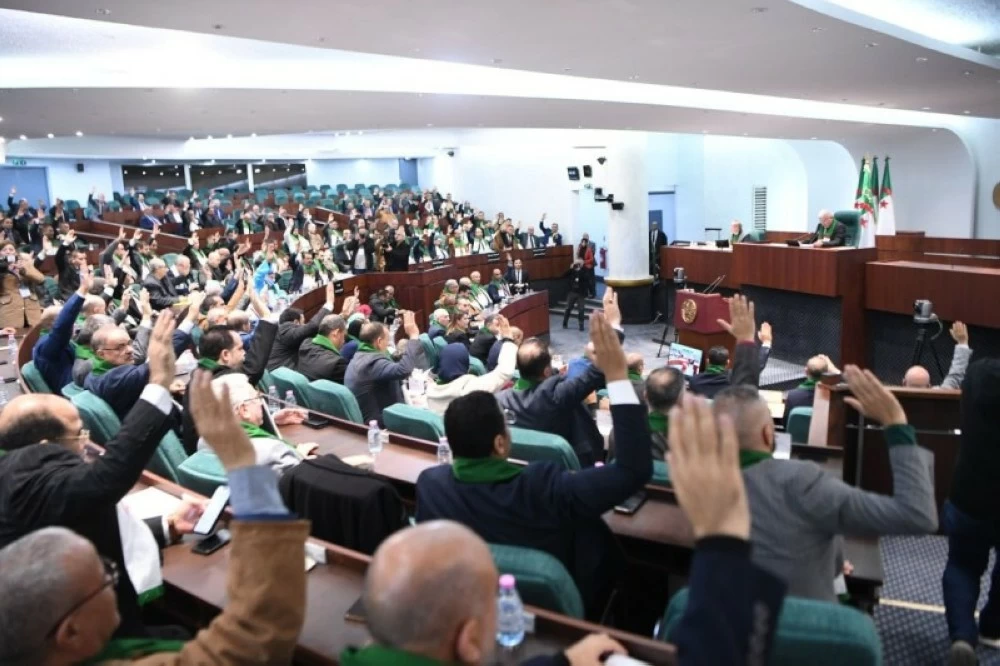
في خطوة تاريخية ذات أبعاد سياسية وقانونية، صادق المجلس الشعبي الوطني الجزائري، اليوم (الأربعاء)، بالإجماع على مقترح قانون يُجرّم الاستعمار الفرنسي للجزائر خلال الفترة من 1830 إلى 1962، ويصفه صراحة بأنه «جريمة دولة» تستوجب المساءلة والاعتذار والتعويض.
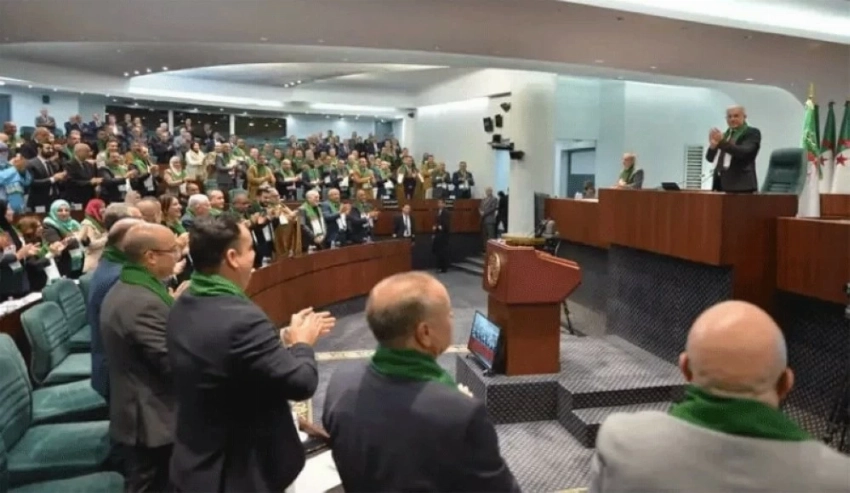
وجرت المصادقة خلال جلسة علنية اتسمت بطابع رمزي لافت، حيث ارتدى النواب أوشحة بألوان العلم الجزائري ورددوا هتافات «تحيا الجزائر»، وسط تصفيق مطوّل عقب إعلان نتيجة التصويت.
موقف سيادي ورسالة سياسية
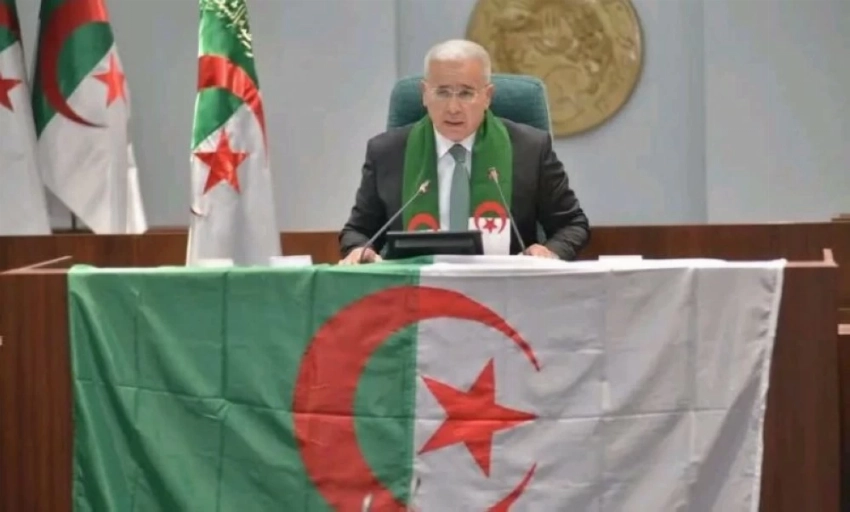
ووصف رئيس المجلس الشعبي الوطني، إبراهيم بوغالي، القانون بأنه «عمل سيادي أسمى وموقف أخلاقي واضح»، مؤكدًا أنه رسالة صريحة تعبّر عن تمسك الجزائر بحقوقها التاريخية غير القابلة للتصرف.
جرائم موثقة
ويتكون النص القانوني من 5 فصول و27 مادة، ويحدد جرائم الاستعمار الفرنسي، ومن بينها التجارب النووية في الصحراء الجزائرية، والتي بلغت 17 تجربة بين عامي 1960 و1966، إلى جانب التعذيب المنهجي، والإعدامات خارج نطاق القضاء، والنهب المنظم للموارد، ومصادرة الأراضي، والتهجير القسري، والتطهير العرقي والثقافي.
عقوبات وتجريم التمجيد
ويصنف القانون التعاون مع السلطات الاستعمارية ضمن «جريمة الخيانة العظمى»، كما يفرض عقوبات جنائية تشمل السجن والحرمان من الحقوق المدنية والسياسية على كل من يروّج للاستعمار أو ينكر كونه جريمة.
مطالب مباشرة لفرنسا
وأكد القانون أن جرائم الاستعمار لا تسقط بالتقادم، مطالبًا فرنسا بإعادة الأرشيف الوطني المنهوب، وتطهير المناطق الملوثة نوويًا، وإزالة الألغام، وإعادة الممتلكات والأموال المصادرة، إلى جانب تقديم تعويضات شاملة للضحايا وذويهم عن الأضرار المادية والمعنوية.
توتر سياسي متصاعد
ويأتي إقرار القانون في ظل توتر متزايد في العلاقات الجزائرية–الفرنسية، خاصة بعد اعتراف باريس في صيف 2024 بخطة الحكم الذاتي المغربية للصحراء الغربية، واستمرار الخلافات بشأن ملف الذاكرة والاعتذار والتعويضات.
وسبق أن وصف الرئيس الفرنسي إيمانويل ماكرون، عام 2017، الاستعمار بأنه «جريمة ضد الإنسانية»، قبل أن يتراجع لاحقًا عن تقديم اعتذار رسمي أو الالتزام بتعويضات شاملة.
سابقة تشريعية
وبدأت مناقشة المشروع في البرلمان منذ مارس الماضي، عقب تشكيل لجنة خاصة تضم ممثلين عن مختلف الكتل البرلمانية لصياغة النص، فيما انطلقت المناقشات العلنية في 20 ديسمبر 2025.
ويُعد هذا القانون أول تشريع جزائري يُجرّم الاستعمار الفرنسي بشكل مباشر وصريح، بعد محاولات سابقة أبرزها عام 2005، ردًا على قانون فرنسي أشاد بما وصفه «الدور الإيجابي» للاستعمار.
In a historic step with political and legal dimensions, the Algerian National People's Assembly unanimously approved today (Wednesday) a proposed law that criminalizes French colonialism in Algeria during the period from 1830 to 1962, explicitly describing it as a "state crime" that necessitates accountability, apology, and compensation.
The approval took place during a public session characterized by a notable symbolic atmosphere, where the deputies wore scarves in the colors of the Algerian flag and chanted "Long live Algeria," amid prolonged applause following the announcement of the voting results.
Sovereign Position and Political Message
The President of the National People's Assembly, Ibrahim Bougali, described the law as "the highest sovereign act and a clear moral stance," emphasizing that it is a clear message expressing Algeria's commitment to its inalienable historical rights.
Documented Crimes
The legal text consists of 5 chapters and 27 articles, defining the crimes of French colonialism, including nuclear tests in the Algerian desert, which amounted to 17 tests between 1960 and 1966, in addition to systematic torture, extrajudicial executions, organized looting of resources, land confiscation, forced displacement, and ethnic and cultural cleansing.
Penalties and Criminalization of Glorification
The law classifies cooperation with colonial authorities as "a crime of high treason," and imposes criminal penalties including imprisonment and deprivation of civil and political rights on anyone who promotes colonialism or denies it as a crime.
Direct Demands to France
The law asserts that the crimes of colonialism are not subject to statute of limitations, demanding that France return the looted national archives, clean up nuclear-contaminated areas, remove landmines, return confiscated properties and funds, as well as provide comprehensive compensation to the victims and their families for material and moral damages.
Escalating Political Tension
The enactment of the law comes amid increasing tension in Algerian-French relations, especially after Paris's recognition in the summer of 2024 of Morocco's autonomy plan for Western Sahara, and ongoing disputes regarding the memory file, apologies, and compensations.
French President Emmanuel Macron had previously described colonialism in 2017 as "a crime against humanity," before later retracting from offering a formal apology or committing to comprehensive compensations.
Legislative Precedent
Discussion of the project began in Parliament last March, following the formation of a special committee that includes representatives from various parliamentary blocs to draft the text, while public discussions commenced on December 20, 2025.
This law is considered the first Algerian legislation to directly and explicitly criminalize French colonialism, following previous attempts, notably in 2005, in response to a French law that praised what it described as the "positive role" of colonialism.