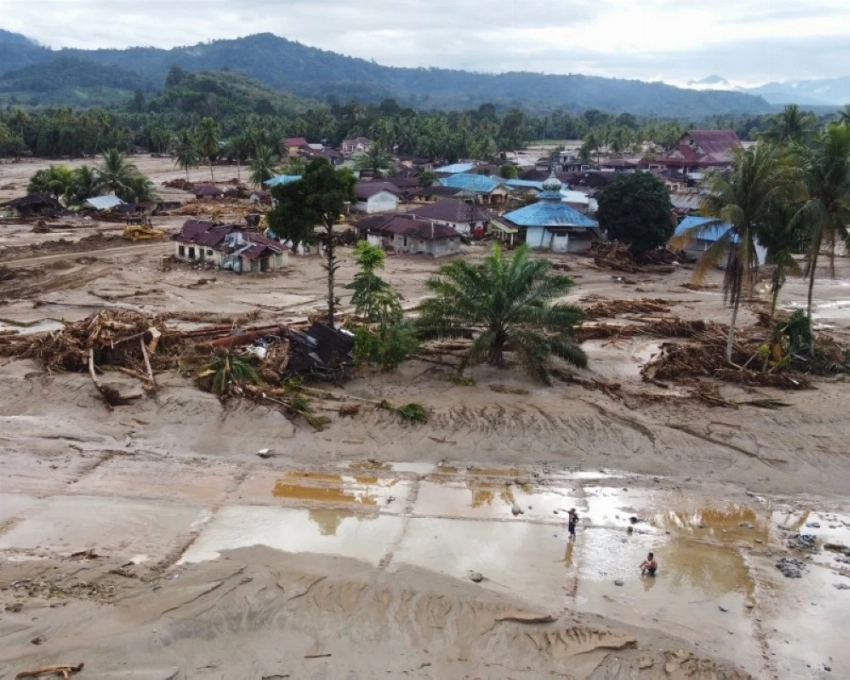
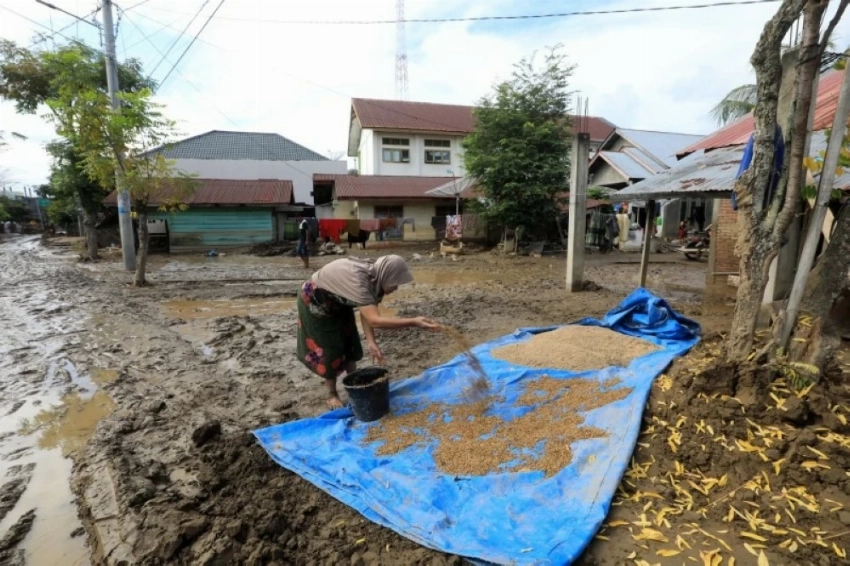
أعلنت الهيئة الوطنية لإدارة الكوارث في إندونيسيا، اليوم السبت، ارتفاع حصيلة ضحايا الفيضانات والانهيارات الأرضية التي ضربت جزيرة سومطرة شمال غرب البلاد إلى 1,003 قتلى، مع إصابة أكثر من 5,400 شخص، وفقدان 218 آخرين، ونزوح نحو 1.2 مليون نازح يعيشون في ملاجئ مؤقتة.
قدّرت الهيئة تكلفة إعادة الإعماربنحو 51.82 تريليون روبية إندونيسية نحو 3.1 مليار دولار أمريكي، مع التركيز على إعادة بناء المنازل والجسور والطرق، إذ جاءت الكارثة نتيجة أمطار غزيرة استمرت لأسابيع، تفاقمت بسبب إعصار استوائي نادر.
ورغم الاقتراحات الدولية بدعم إضافي، لم تستجب الحكومة الإندونيسية حتى الآن لمناشدات الحصول على مساعدات خارجية، مفضلة الاعتماد على الجهود الداخلية.
الرئيس الإندونيسي يتفقد الكارثة
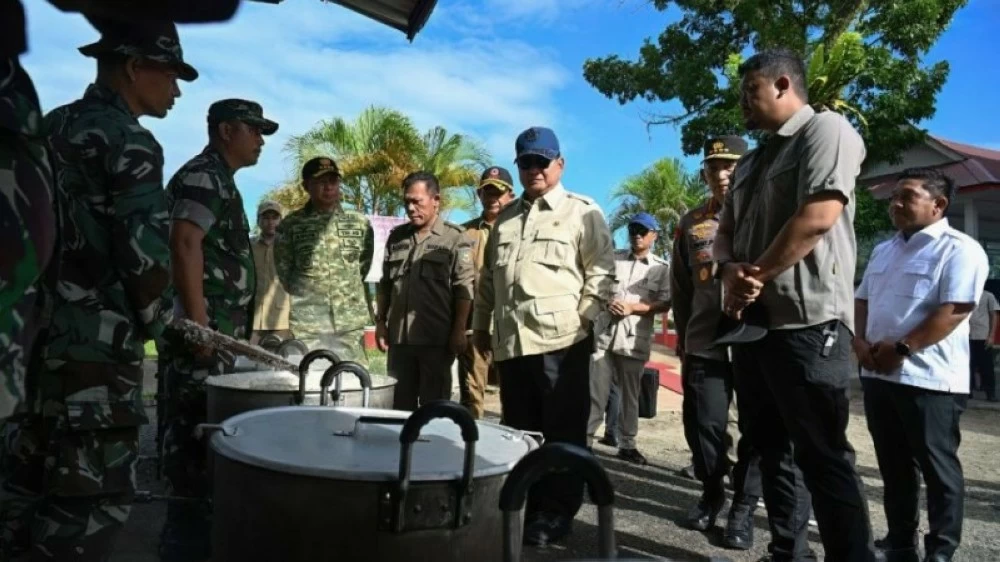
وزار الرئيس الإندونيسي برابوو سوبيانت، اليوم السبت، مدينة لانجكات في مقاطعة سومطرة الشمالية، إذ تفقد مخيمات النازحين وأكد تحسن الوضع، قائلاً إن العديد من المناطق المعزولة أصبحت الآن قابلة للوصول.
وأضاف أن الخدمات في المخيمات جيدة، والإمدادات الغذائية كافية، مع التزام الحكومة بتسريع عمليات الإغاثة والإعادة الإعمار، حيث يُعتبر هذا الحدث من أشد الكوارث الطبيعية في إندونيسيا منذ عقود، مع تأثر أكثر من 3 ملايين شخص.
بدأت الأمطار الغزيرة الاستثنائية في أواخر نوفمبر، مدفوعة بإعصار استوائي نادر يُدعى «سينيار»، الذي تشكل في مضيق ملقا بين شبه جزيرة ماليزيا وجزيرة سومطرة.
ثاني أقوى الأعاصير
ويُعتبر هذا الإعصار الثاني فقط المسجل في التاريخ الذي يتشكل في هذه المنطقة القريبة جداً من خط الاستواء، إذ يكون تأثير كوريوليس ضعيفاً جداً، مما يجعل تشكل الأعاصير نادراً للغاية، وكان الإعصار الأول المشابه «فامي» عام 2001.
وأدى الإعصار إلى هطول أمطار قياسية، بلغت في بعض المناطق أكثر من 1,000 ملم في أيام قليلة، مما تسبب في فيضانات مفاجئة وانهيارات أرضية واسعة النطاق في مقاطعات أتشيه، وسومطرة الشمالية، وسومطرة الغربية.
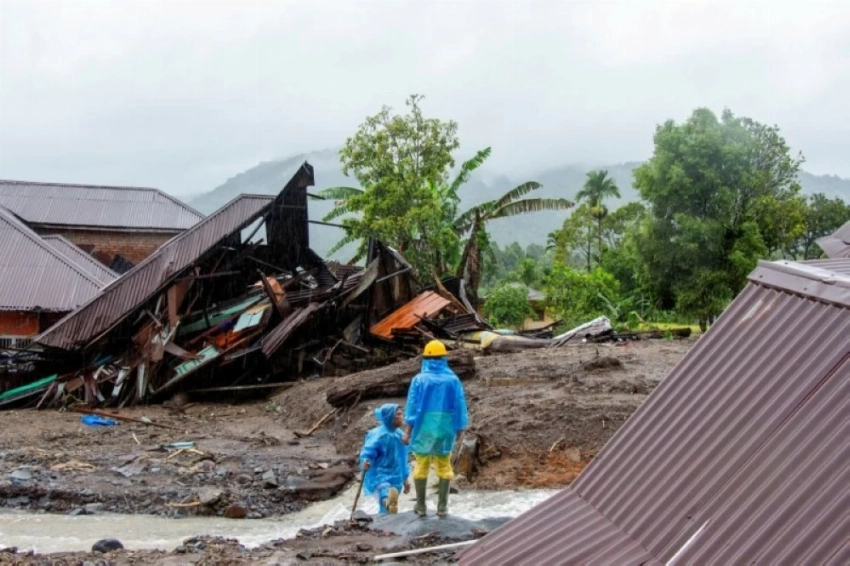
وساهمت عوامل بيئية بشرية المنشأ في تفاقم الكارثة بشكل كبير، من بينها إزالة الغابات غير الشرعية على مدى عقود، مرتبطة بزراعة زيت النخيل، التعدين، والحرائق، أدت إلى فقدان ملايين الهكتارات من الغابات المطيرة التي كانت تمتص المياه وتثبت التربة، وتحول جذوع الأشجار المقطوعة إلى «قذائف عائمة» في التيارات المائية، مما زاد من التدمير للمنازل والجسور.
The National Disaster Management Agency in Indonesia announced today, Saturday, that the death toll from the floods and landslides that struck the island of Sumatra in the northwest of the country has risen to 1,003, with more than 5,400 people injured, 218 others missing, and about 1.2 million displaced individuals living in temporary shelters.
The agency estimated the cost of reconstruction at around 51.82 trillion Indonesian rupiah, approximately 3.1 billion US dollars, focusing on rebuilding homes, bridges, and roads, as the disaster was the result of heavy rains that lasted for weeks, exacerbated by a rare tropical cyclone.
Despite international suggestions for additional support, the Indonesian government has not yet responded to appeals for external assistance, preferring to rely on internal efforts.
The Indonesian President Inspects the Disaster
Indonesian President Joko Widodo visited the city of Langkat in North Sumatra province today, Saturday, where he inspected the refugee camps and confirmed that the situation has improved, stating that many isolated areas are now accessible.
He added that the services in the camps are good, and food supplies are sufficient, with the government committed to accelerating relief and reconstruction efforts, as this event is considered one of the most severe natural disasters in Indonesia in decades, affecting more than 3 million people.
Exceptional heavy rains began in late November, driven by a rare tropical cyclone named "Cinyar," which formed in the Strait of Malacca between the Malay Peninsula and Sumatra Island.
The Second Strongest Cyclone
This cyclone is considered only the second recorded in history to form in this area very close to the equator, where the Coriolis effect is very weak, making the formation of cyclones extremely rare; the first similar cyclone was "Vame" in 2001.
The cyclone led to record rainfall, with some areas receiving more than 1,000 mm in just a few days, causing flash floods and widespread landslides in Aceh, North Sumatra, and West Sumatra provinces.
Human-induced environmental factors significantly contributed to the exacerbation of the disaster, including illegal deforestation over decades linked to palm oil cultivation, mining, and fires, which led to the loss of millions of hectares of rainforest that used to absorb water and stabilize the soil, turning cut tree trunks into "floating debris" in the water currents, increasing the destruction of homes and bridges.