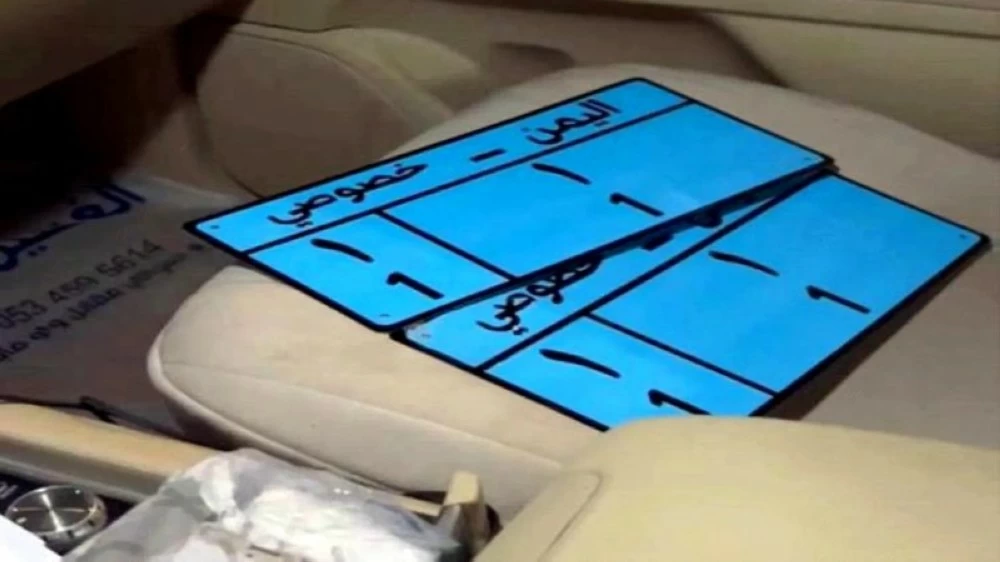
أشعلت عملية بيع لوحة سيارة مميزة في اليمن جدلاً واسعاً على مواقع التواصل الاجتماعي، بعد أن بلغت قيمتها رقماً صادماً في بلد يرزح تحت وطأة الفقر والمجاعة. الرقم الذهبي «1-1» بيِع في مزاد علني بمبلغ تجاوز 150 مليون ريال يمني، أي ما يعادل 300 ألف دولار أمريكي.
وتأتي هذه الصفقة في وقت يعاني فيه ملايين اليمنيين من أزمة غذائية حادة، إذ تشير تقارير الأمم المتحدة إلى أن أكثر من 17 مليون شخص يواجهون الجوع الشديد، وأكثر من 19 مليوناً يحتاجون إلى مساعدات إنسانية عاجلة، فيما يعيش نحو 60% من الأسر في حالة حرجة بسبب انعدام الأمن الغذائي.
وسط هذا الواقع المرير، انطلقت موجة من الغضب والانتقادات على منصات التواصل، إذ اعتبر كثيرون أن السعر الفلكي للوحة السيارة يمثل رمزاً صارخاً للفجوة الاقتصادية المتسعة في اليمن.
وعلق أحد المغردين قائلاً: «في الوقت الذي يعاني فيه أغلب الناس من الجوع، تُباع قطعة معدنية بهذه الأرقام الخيالية! الفجوة بين الناس ومن يملك ثروات هائلة أصبحت مرعبة».
وغرد آخر ساخراً: «المرور في صنعاء تحوّل إلى متجر للأرقام، بدل تنظيم حركة السير والتوعية المرورية، أصبح بيع اللوحات أولوية!».
وعبّر شاب آخر عن استغرابه من التباين الكبير في الواقع: «لوحة بـ300 ألف دولار، وناس تعيش على الاستدانة. هم يستثمرون في الحديد، ونحن نستثمر في الصبر».
ورغم الجدل، لم تعلق الإدارة العامة للمرور في صنعاء على موجة الاستياء العارمة. ويذكر أن المزاد كان قد أُرجئ أسبوعين بسبب الإقبال الكبير على الرقم الذهبي، بينما بقيت هوية المشتري مجهولة حتى الآن، ما أضاف طبقة جديدة من الغموض والجدل حول هذه الصفقة التي استفزت اليمنيين.
The sale of a distinctive car license plate in Yemen has ignited widespread controversy on social media, after it fetched a shocking price in a country suffering under the weight of poverty and famine. The golden number "1-1" was sold at a public auction for over 150 million Yemeni rials, equivalent to 300,000 US dollars.
This deal comes at a time when millions of Yemenis are facing a severe food crisis, as United Nations reports indicate that more than 17 million people are experiencing extreme hunger, and over 19 million require urgent humanitarian assistance, while about 60% of households live in critical conditions due to food insecurity.
Amid this grim reality, a wave of anger and criticism erupted on social media platforms, as many considered the astronomical price of the license plate to be a stark symbol of the widening economic gap in Yemen.
One Twitter user commented: "At a time when most people are suffering from hunger, a piece of metal is sold for such astronomical figures! The gap between the people and those who possess vast wealth has become terrifying."
Another user tweeted sarcastically: "Traffic in Sana'a has turned into a store for numbers; instead of organizing traffic and raising awareness, selling license plates has become a priority!"
Another young man expressed his astonishment at the stark disparity in reality: "A plate for 300,000 dollars, while people live on loans. They invest in metal, and we invest in patience."
Despite the controversy, the General Traffic Department in Sana'a has not commented on the wave of outrage. It is worth noting that the auction was postponed for two weeks due to the high demand for the golden number, while the identity of the buyer remains unknown, adding a new layer of mystery and debate surrounding this deal that has provoked Yemenis.