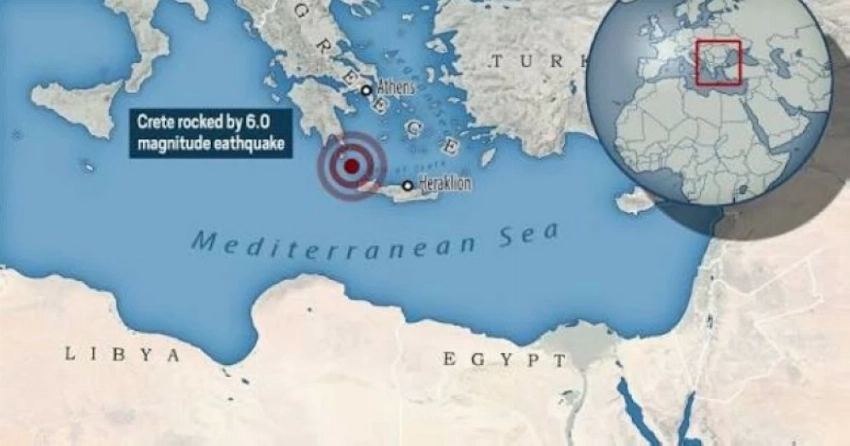
ضرب زلزال بلغت قوته 4.8 درجات على مقياس ريختر، في الساعات الأولى من صباح اليوم (الأحد)، اليونان. وقال المركز الألماني لأبحاث علوم الأرض إن زلزالاً بقوة 4.8 ريختر ضرب اليونان وكان على عمق 10 كيلومترات.
وأكدت التقارير الأولية أن الزلزال أحدث هزات ارتدادية خفيفة، لكن لم تُسجل أي إصابات أو أضرار مادية كبيرة حتى الساعة 14:00 بتوقيت غرينتش يوم السبت.
ومع ذلك، دعت السلطات اليونانية السكان إلى البقاء في حالة تأهب، خاصة في المناطق الساحلية، خوفاً من أي تسونامي محتمل أو هزات إضافية.
قوة زلزال اليونان
ويُصنف هذا الزلزال ضمن الفئة "قوي"، حيث يمكن أن يسبب أضراراً متوسطة في المناطق القريبة من المركز إذا كانت المباني غير مقاومة للزلازل، لكنه يُعتبر أقل خطراً بسبب عمقه الضحل النسبي، الذي يعزز من شدة الاهتزازات السطحية.
وشعر السكان في مدن رئيسية مثل أثينا وسالونيك باهتزازات خفيفة امتدت إلى مناطق مجاورة في شرق المتوسط.
وفي اليونان، أعلن المعهد الوطني للجيوفيزياء والتكتونيك، عن تفعيل خطة الطوارئ الزلزالية، ونشرت فرق الإنقاذ من الدفاع المدني في المناطق الجنوبية والشرقية لتقييم الأضرار.
منطقة الحزام الناري الهادئ الشرقي
وتقع اليونان في منطقة الحزام الناري الهادئ الشرقي، حيث تتصادم الألواح التكتونية الأفريقية والأوراسية، مما يؤدي إلى نشاط زلزالي مكثف، ووفقاً لتقارير محلية، سجلت اليونان أكثر من 110 هزة أرضية في الـ24 ساعة الماضية قبل هذا الحدث، معظمها صغيرة الحجم.
تأثير زلزال اليونان على دول الجوار
لم تُبلغ عن أي إخلاء جماعي حتى الآن، لكن السلطات اليونانية، بالتعاون مع الاتحاد الأوروبي، أصدرت تحذيراً عاماً عبر وسائل التواصل الاجتماعي، ناصحة السكان بالابتعاد عن المباني القديمة والسواحل.
كما أفادت وسائل إعلام محلية بأن الارتدادات شعر بها سكان في دول مجاورة مثل تركيا ومصر، دون أي تقارير عن أضرار خارج اليونان.
A 4.8 magnitude earthquake struck Greece in the early hours of this morning (Sunday).
The German Research Center for Geosciences reported that an earthquake with a magnitude of 4.8 hit Greece at a depth of 10 kilometers.
Initial reports confirmed that the earthquake caused light aftershocks, but no injuries or significant material damage had been recorded by 14:00 GMT on Saturday.
However, Greek authorities urged residents to remain alert, especially in coastal areas, fearing any potential tsunami or additional tremors.
Strength of the Greece Earthquake
This earthquake is classified as "strong," as it can cause moderate damage in areas close to the epicenter if buildings are not earthquake-resistant, but it is considered less dangerous due to its relatively shallow depth, which enhances the intensity of surface vibrations.
Residents in major cities like Athens and Thessaloniki felt light tremors that extended to neighboring areas in the Eastern Mediterranean.
In Greece, the National Institute of Geophysics and Tectonics announced the activation of the seismic emergency plan, and rescue teams from civil defense were deployed in the southern and eastern regions to assess the damage.
Eastern Pacific Ring of Fire
Greece is located in the Eastern Pacific Ring of Fire, where the African and Eurasian tectonic plates collide, leading to intense seismic activity. According to local reports, Greece recorded over 110 earthquakes in the 24 hours prior to this event, most of which were small in size.
Impact of the Greece Earthquake on Neighboring Countries
No mass evacuations have been reported so far, but Greek authorities, in cooperation with the European Union, issued a general warning via social media, advising residents to stay away from old buildings and coastlines.
Local media also reported that residents in neighboring countries such as Turkey and Egypt felt the aftershocks, with no reports of damage outside Greece.