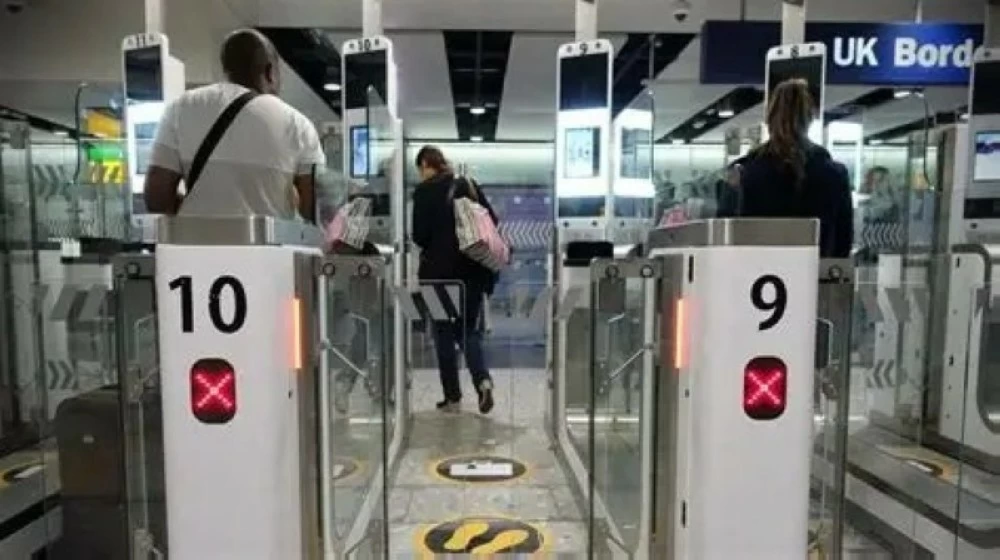
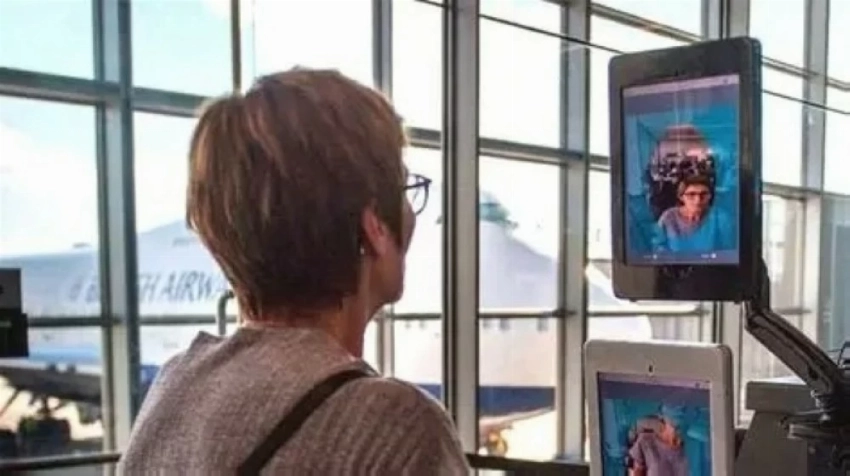
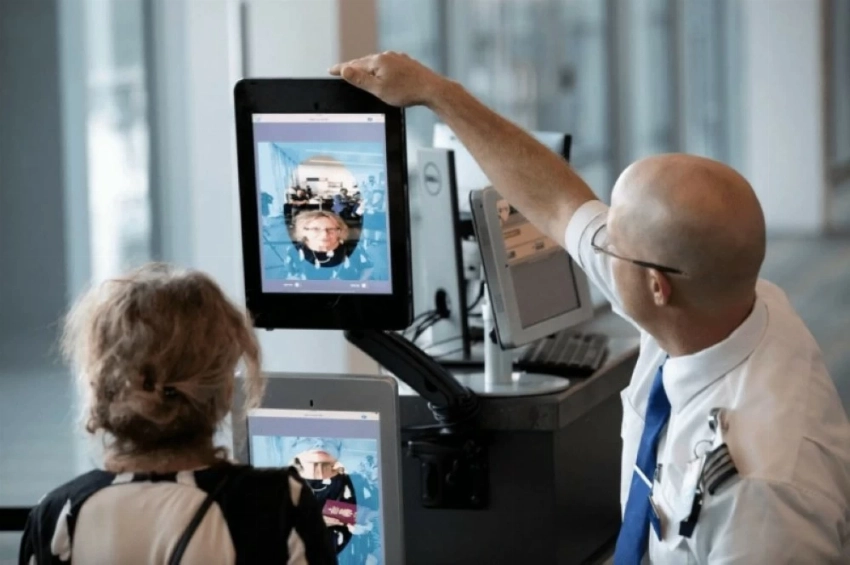
طلبت هيئة مراقبة حماية البيانات في المملكة المتحدة من وزارة الداخلية تقديم توضيح عاجل ومفصل بشأن التحيز العنصري الواضح في تقنية التعرف على الوجوه التي تستخدمها الشرطة، مهددة باتخاذ «إجراءات تنفيذية» إذا لم تُعالج المشكلة فوراً، وفقاً لما كشفته صحيفة «الجارديان» البريطانية اليوم.
وبدأت شرطة العاصمة لندن وقوات إقليمية عدة استخدام تقنية التعرف الاسترجاعي على الوجوه منذ عام 2020 للبحث عن مرتكبي جرائم خطيرة قتل، اغتصاب، أو إرهاب.
وتقوم تقنية التعرف على الوجه بمسح وجوه الأشخاص ومقارنتها بقوائم مراقبة المجرمين المعروفين أو المطلوبين. ويمكن استخدامها أثناء فحص لقطات حية للأشخاص الذين يمرون أمام الكاميرات، ومقارنة وجوههم بتلك المدرجة في قوائم المطلوبين التي بلغت 20.7 مليون صورة، أو لتمكين الضباط من استهداف الأفراد أثناء مرورهم أمام الكاميرات المثبتة.
وأقرت وزارة الداخلية، في رد رسمي نادر، بأن التقنية التي طورتها شركة «نورثروب جرومان» الأمريكية وتُطبق على قاعدة بيانات الشرطة الوطنية التي تحتوي على صور أكثر من 20 مليون شخص «أكثر عرضة لإدراج بعض الفئات الديموغرافية بشكل غير صحيح في نتائج البحث»، وهي عبارة دبلوماسية تعني ببساطة: النظام يُخطئ أكثر عندما يكون الوجه أسود أو آسيوياً.
وكشف تقرير أجراه المختبر الوطني للفيزياء بتكليف من وزارة الداخلية نفسه، ونُشر جزء منه بعد معركة قانونية مع «الجارديان»، بأن معدل المطابقة الخاطئة للأشخاص ذوي البشرة الداكنة أعلى بنسبة تصل إلى 2.5 مرة مقارنة بالأشخاص ذوي البشرة الفاتحة.
وأشار التقرير إلى أن الأشخاص من أصول جنوب آسيوية وشرق آسيوية يواجهون معدل خطأ أعلى بنسبة 1.8 إلى 2.1 مرة، وأن النساء من كل الأعراق أكثر عرضة للخطأ من الرجال بنسبة 30-40%.
وأكد تقرير المختبر الوطني للفيزياء أن هذا التحيز ليس «عرضياً»، بل متأصل في خوارزمية النظام وفي قاعدة البيانات التدريبية التي تحتوي على نسبة أكبر بكثير من صور البيض البريطانيين.
من جانبها قالت نائبة مفوض مكتب المعلومات إميلي كيني: «في الأسبوع الماضي، أُبلغنا بوجود تحيز تاريخي في الخوارزمية التي تستخدمها قوات الأمن في جميع أنحاء المملكة المتحدة للتعرف على الوجه بأثر رجعي ضمن قاعدة بيانات الشرطة الوطنية». مؤكدة: «نُقرّ باتخاذ تدابير لمعالجة هذا التحيز، ومع ذلك، من المخيب للآمال أننا لم نُبلّغ بهذا الأمر سابقاً».
The UK data protection watchdog has urgently requested the Home Office to provide a detailed explanation regarding the clear racial bias in the facial recognition technology used by the police, threatening to take "enforcement action" if the issue is not addressed immediately, according to what was revealed by the British newspaper "The Guardian" today.
The Metropolitan Police and several regional forces have been using retrospective facial recognition technology since 2020 to search for perpetrators of serious crimes such as murder, rape, or terrorism.
The facial recognition technology scans individuals' faces and compares them to watchlists of known or wanted criminals. It can be used while examining live footage of people passing in front of cameras, comparing their faces to those listed in the wanted lists, which amount to 20.7 million images, or to enable officers to target individuals as they pass by installed cameras.
The Home Office acknowledged, in a rare official response, that the technology developed by the American company "Northrop Grumman" and applied to the national police database containing images of over 20 million people is "more likely to incorrectly include certain demographic groups in search results," a diplomatic phrase that simply means: the system makes more mistakes when the face is Black or Asian.
A report conducted by the National Physical Laboratory commissioned by the Home Office itself, part of which was published after a legal battle with "The Guardian," revealed that the false match rate for individuals with dark skin is up to 2.5 times higher compared to individuals with light skin.
The report indicated that individuals of South Asian and East Asian descent face a higher error rate of 1.8 to 2.1 times, and that women of all races are more likely to be misidentified than men by 30-40%.
The National Physical Laboratory report confirmed that this bias is not "accidental," but rather inherent in the system's algorithm and in the training database, which contains a significantly larger proportion of images of white British individuals.
For her part, Deputy Commissioner of the Information Office Emily Kinney stated: "Last week, we were informed of a historical bias in the algorithm used by security forces across the UK for retrospective facial recognition within the national police database." She emphasized: "We acknowledge the need to take measures to address this bias; however, it is disappointing that we were not informed of this matter earlier."