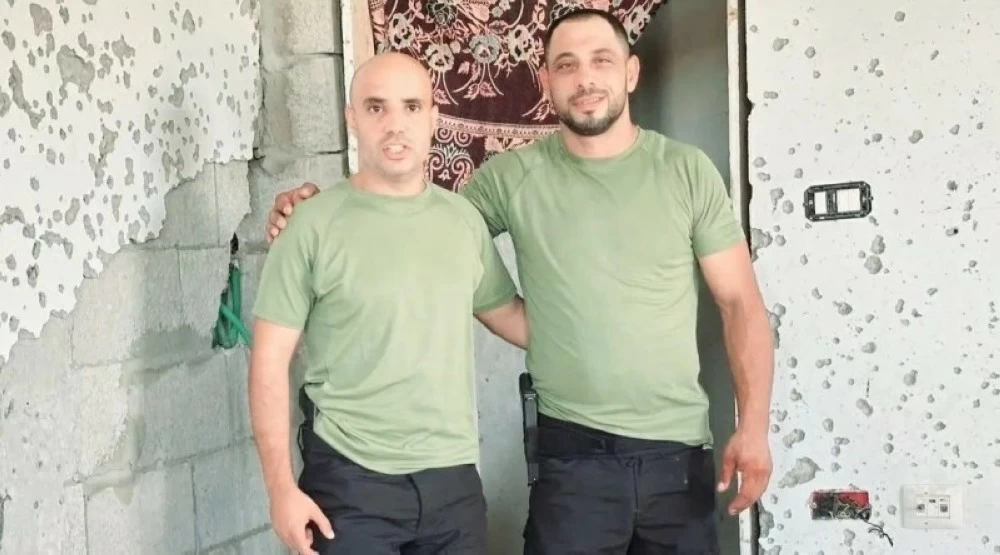
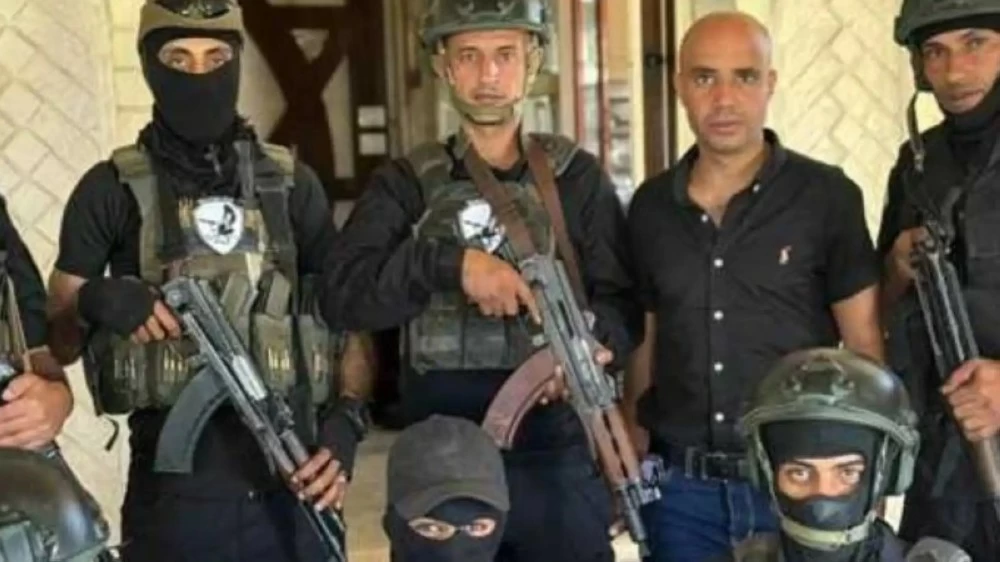
فيما وصفت صحف عالمية مقتل قائد مليشيا «القوات الشعبية» في جنوب قطاع غزة بـ«الضربة الموجعة لإسرائيل»، كشفت وسائل إعلام عبرية اليوم (السبت) عن خليفته الذي أصيب هو الآخر في الاشتباكات التي اندلعت في رفح وأدت إلى مقتل ياسر أبو شباب.
وأوضحت إذاعة الجيش الإسرائيلي أن غسان الدهيني الذي أصيب بدوره في الاشتباكات التي وقعت في رفح ونقل إلى مستشفى برزيلاي في عسقلان لتلقي العلاج هو خليفة ياسر أبو شباب.
الدهيني يتوعد حماس
وظهر الدهيني الضابط السابق في الأمن الفلسطيني في فيديو يتجول في رفح محاطاً بعدد من المسلحين، متعهداً بالسير على خطى سلفه حتى آخر مسلح من جماعته.
ونقلت القناة 12 الإسرائيلية عن الدهيني قوله: «في حال انسحب الجيش الإسرائيلي من غزة سنقاتل حركة حماس حتى القضاء عليها»، مضيفاً: «لا يهم من هم، اليوم سترى حماس وجهها الحقيقي الذي كان ينبغي أن يراه العالم منذ زمن طويل».
وقتل أبو شباب الذي أعلن القتال إلى جانب الجيش الإسرائيلي خلال نزاع اندلع شرقي رفح (الخميس)، وشكلت إسرائل هذه المليشيا في الأشهر الأخيرة من عام 2024، عندما وفرت مأوى لها في المناطق الواقعة تحت سيطرتها جنوب شرق مدينة رفح، وتتهمهم حماس باعتراض قوافل الإغاثة ونهبها.
فشل إسرائيلي
من جهة أخرى، وصفت صحيفة غارديان البريطانية مقتل أبو الشباب بـ«الضربة الموجعة لرهان تل أبيب على وكلاء محليين تابعين لها»، مؤكدة أن هذه الإستراتيجية لقيت انتقادات من خبراء شككوا في قدرتها على إنتاج بديل فعلي للحركة.
ونقلت الصحيفة عن الضابط السابق في الاستخبارات العسكرية الإسرائيلية مايكل ميلشتاين قوله: مقتل أبو شباب كان متوقعاً وحتمياً، سواءً على يد حماس أو نتيجة صراع داخلي.
في حين اعتبرت صحيفة هآرتس الإسرائيلية مقتل أبو شباب فشلاً لـ«صناعة القيادات» في غزة، موضحة أن إن «الإملاءات لا تصنع القادة».
وأشارت إلى أن أبو شباب بدا قوياً شكلياً لكنه كان الحلقة الأضعف في بنية قائمة على السلاح والفوضى.
While global newspapers described the killing of the leader of the "Popular Forces" militia in the southern Gaza Strip as "a severe blow to Israel," Hebrew media revealed today (Saturday) his successor, who was also injured in the clashes that erupted in Rafah and led to the death of Yasser Abu Shabab.
The Israeli army radio explained that Ghassan Al-Dahini, who was also injured in the clashes that took place in Rafah and was transferred to Barzilai Hospital in Ashkelon for treatment, is the successor of Yasser Abu Shabab.
Al-Dahini vows to Hamas
Al-Dahini, a former Palestinian security officer, appeared in a video walking around Rafah surrounded by a number of armed men, pledging to follow in the footsteps of his predecessor until the last armed member of his group.
Channel 12 in Israel quoted Al-Dahini as saying: "If the Israeli army withdraws from Gaza, we will fight Hamas until it is eliminated," adding: "It doesn't matter who they are; today you will see Hamas's true face that the world should have seen a long time ago."
Abu Shabab, who announced his fight alongside the Israeli army during a conflict that broke out east of Rafah (on Thursday), was part of a militia formed by Israel in the last months of 2024, when it provided shelter for it in areas under its control southeast of Rafah city. Hamas accuses them of intercepting and looting aid convoys.
Israeli failure
On the other hand, the British newspaper The Guardian described the killing of Abu Shabab as "a severe blow to Tel Aviv's bet on local agents loyal to it," confirming that this strategy has faced criticism from experts who doubted its ability to produce a viable alternative to the movement.
The newspaper quoted former Israeli military intelligence officer Michael Milstein as saying: "The killing of Abu Shabab was expected and inevitable, whether at the hands of Hamas or due to internal conflict."
Meanwhile, the Israeli newspaper Haaretz considered the killing of Abu Shabab a failure of the "leadership manufacturing" in Gaza, clarifying that "impositions do not create leaders."
It pointed out that Abu Shabab appeared strong in form but was the weakest link in a structure based on weapons and chaos.