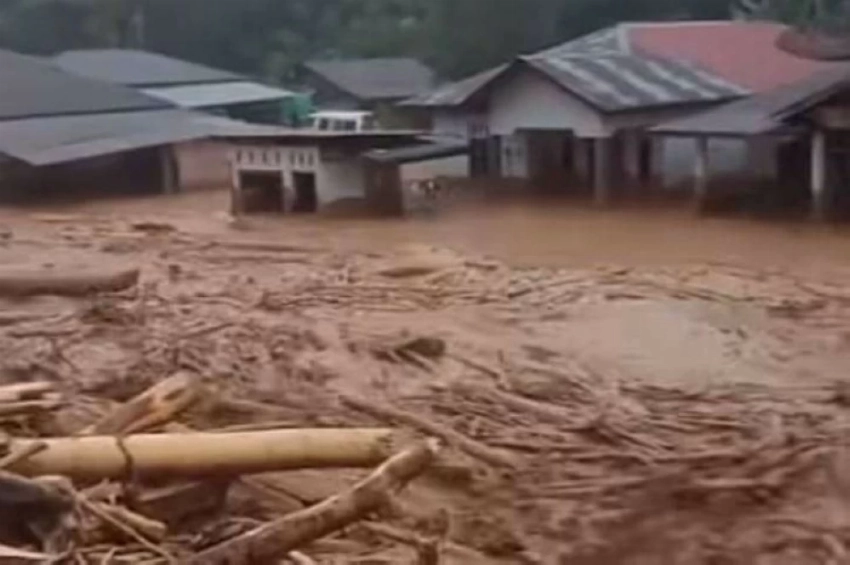
في كارثة طبيعية لم تشهدها سومطرة منذ عقود، ارتفعت حصيلة ضحايا الفيضانات والانهيارات الأرضية التي اجتاحت الجزيرة الإندونيسية إلى أكثر من 900 قتيل، مع فقدان 410 أشخاص آخرين في ظروف غامضة، وفقاً لتحديثات وكالة الكوارث الوطنية، بعد أيام من الجهود المكثفة للإنقاذ.
وبدأت الكارثة في 25 نوفمبر، عندما غمرت المياه المتدفقة قرى مثل باتانغ تورو في شمال سومطرة، ومالالاك في غرب سومطرة، محولة الطرق إلى أنهار من الوحل وأخشاب الغابات المتحللة التي تحولت إلى «مشاريع طائرة» تضرب المنازل والجسور.
وانتقل الإعصار لاحقاً إلى ماليزيا وتايلند، ما أسفر عن مقتل مئات آخرين في المنطقة، ليصل إجمالي الضحايا في جنوب شرق آسيا إلى أكثر من 1,100 شخص.
وتعرف سومطرة، الجزيرة الثالثة الأكبر في العالم، التي تضم أكثر من 50 مليون نسمة، بغاباتها الاستوائية الكثيفة ومناخها الموسمي الذي يجلب أمطاراً غزيرة كل عام، ومع ذلك، تحولت هذه الأمطار إلى كابوس في أواخر نوفمبر، عندما ضرب إعصار استوائي نادر يُدعى «سينيار» المناطق الشمالية الغربية للجزيرة.
وتشكل الإعصار في مضيق ملقا، قرب خط الاستواء، ما جعله حدثاً نادراً، حيث أمطرت بعض المناطق في أتشيه وشمال سومطرة ما يصل إلى 40 سنتيمتراً من المطر في يوم واحد، وفقاً لتقارير منظمة الأرصاد العالمية.
وأشارت التحقيقات الحكومية إلى أن إزالة عشرات الآلاف من الهكتارات من الغابات في محافظات أتشيه وغرب سومطرة وشمال سومطرة منذ عام 1990 –بسبب التعدين غير المنظم والزراعة غير المستدامة– ساهمت في تفاقم الوضع، حيث فقدت الغابات دورها كـ«إسفنج طبيعي» يمتص المياه، ما أدى إلى فيضانات مفاجئة وانهيارات أرضية مدمرة.
وفي تصريح أمام البرلمان، أقر وزير البيئة الإندونيسي هانيف فيصل نوروفيق بأن «الكارثة لا يمكن نسبها إلى الأسباب الطبيعية وحدها»، مشيراً إلى أن الحكومة ستحقق في الشركات المسؤولة عن إصدار تصاريح التعدين غير الشرعية.
وفي غرب سومطرة، دُفنت قرية بالكامل تحت انهيار أرضي في بوابة بادانغ بانجانغ، ما أودى بحياة 30 شخصاً دفعة واحدة، أما في أغام ريجينسي فقد قُتل 120 في فيضان مفاجئ، حيث وجد المنقذون سيارات محطمة ومنازل تقليدية مغمورة بالطين.
ورداً على الضغوط الشعبية، أعلن الرئيس برابوو سوبيانتُو حالة الطوارئ الوطنية، محرراً أموالاً إضافية للإغاثة. وانضم الجيش الإندونيسي إلى الجهود، مستخدماً مروحيات وطائرات للوصول إلى المناطق المعزولة مثل تابانولي تينغاه وأغام، حيث انقطعت الطرق وانهارت الجسور.
In a natural disaster not seen in Sumatra for decades, the death toll from the floods and landslides that swept through the Indonesian island has risen to over 900, with 410 other people missing under mysterious circumstances, according to updates from the National Disaster Agency, following days of intensive rescue efforts.
The disaster began on November 25, when rushing waters inundated villages such as Batang Toru in North Sumatra and Malalak in West Sumatra, turning roads into rivers of mud and decaying forest debris that became "flying projects" striking homes and bridges.
The cyclone later moved on to Malaysia and Thailand, resulting in hundreds more deaths in the region, bringing the total casualties in Southeast Asia to over 1,100 people.
Sumatra, the third-largest island in the world, home to more than 50 million people, is known for its dense tropical forests and seasonal climate that brings heavy rains every year. However, these rains turned into a nightmare in late November when a rare tropical cyclone named "Sinyar" struck the northwestern regions of the island.
The cyclone formed in the Strait of Malacca, near the equator, making it a rare event, as some areas in Aceh and North Sumatra received up to 40 centimeters of rain in a single day, according to reports from the World Meteorological Organization.
Government investigations indicated that the removal of tens of thousands of hectares of forests in Aceh, West Sumatra, and North Sumatra since 1990—due to unregulated mining and unsustainable agriculture—has exacerbated the situation, as the forests lost their role as a "natural sponge" that absorbs water, leading to sudden floods and devastating landslides.
In a statement before Parliament, Indonesian Environment Minister Hanif Faisal Norwawi acknowledged that "the disaster cannot be attributed to natural causes alone," noting that the government will investigate companies responsible for issuing illegal mining permits.
In West Sumatra, an entire village was buried under a landslide in the Padang Panjang Gate, claiming the lives of 30 people at once, while in Agam Regency, 120 were killed in a sudden flood, where rescuers found crushed cars and traditional homes submerged in mud.
In response to public pressure, President Prabowo Subianto declared a national emergency, releasing additional funds for relief efforts. The Indonesian army joined the efforts, using helicopters and planes to reach isolated areas such as Tapanuli Tengah and Agam, where roads were cut off and bridges collapsed.