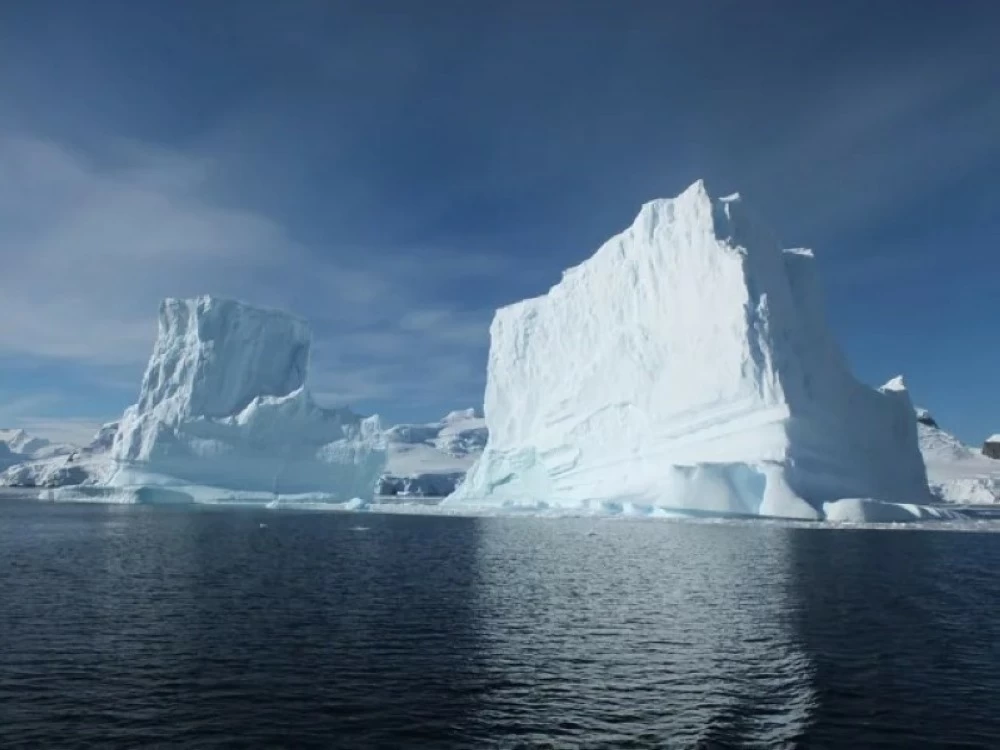
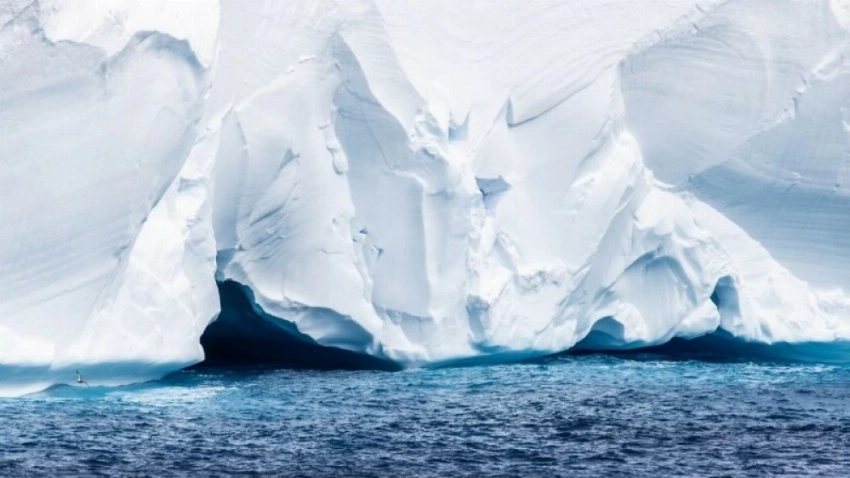
في تطور يعكس تسارع آثار تغير المناخ، أفاد باحثون في المسح البريطاني لأنتاركتيكا، بأن الجبل الجليدي العملاق A23a، الذي يُعرف بـ«ملكة الجبال الجليدية» ويُراقب منذ حوالى 40 عاماً كأكبر جبل جليدي في العالم، فقد نحو ثلثي حجمه الأصلي في الأشهر القليلة الماضية، مما أدى إلى فقدانه لقبه لصالح الجبل الجليدي D15a الذي يقع قرب محطة ديفيس البحثية الأسترالية.
ووفقاً للعالم المحيطي القطبي أندرو ميجيرس من هيئة المسح البريطاني لأنتاركتيكا، انفصل A23a عن رف Filchner-Ronne الجليدي في أنتاركتيكا عام 1986، حيث بقي مثبتاً قرب القارة الجنوبية لأكثر من 3 عقود كونه كان عالقاً في قاع البحر، قبل أن ينطلق في رحلته شمالاً عام 2020.
وفي يناير 2024، كان يبلغ حجمه 3,672 كيلومتراً مربعاً (أكبر قليلاً من ولاية رود آيلاند الأمريكية)، ووزنه تريليون طن متري، مما جعله الأكبر عالمياً، لكنه، بعد الوصول إلى تيار جنوب أتلانتيكي المتدفق قرب جزيرة جنوب جورجيا في مارس 2024، بدأ في الانهيار السريع، حيث انفصلت آلاف القطع الصغيرة، وفقد 80% من مساحته منذ مايو، ليصل الآن إلى حوالى 656 كيلومتراً مربعاً.
تسارع كبير لذوبان الجليد في أنتاركتيكا
وقال ميجيرس إن: «A23a يتبع مصير الجبال الجليدية العملاقة الأخرى مثل A68 عام 2021 وA76 عام 2023، التي تفككت أيضاً قرب جنوب جورجيا، لكنه استمر متماسكاً لفترة أطول، والآن، أصبح D15a، الذي يبلغ حجمه 3,000 كيلومتر مربع وثابت نسبياً قرب محطة ديفيس، هو الأكبر»، مضيفاً أن D15a، الذي انفصل من رف Amery الجليدي، يُعد «ثابتاً على الساحل الأنتاركتيكي»، مما يجعله مرشحاً قوياً للحفاظ على اللقب.
يشير هذا الانهيار إلى تسارع ذوبان الجليد في أنتاركتيكا، حيث أدى الاحتباس الحراري إلى ارتفاع درجات الحرارة في المحيطات، مما يسرع تفكك الجبال الجليدية.
ووفقاً للعالم الجليدي تيد سكامبوس من جامعة كولورادو، قد ينهار A23a تماماً في غضون أسابيع، خاصة إذا وصل إلى المياه الأكثر دفئاً في الصيف، مما قد يؤدي إلى انهيار أفالانشي مفاجئ في يوم واحد.
زيادة مرتقبة لمستوى سطح البحر عالمياً
وتحذر الدراسات أن مثل هذه الأحداث تزيد من ارتفاع مستوى سطح البحر عالمياً، وتهدد النظم البيئية في المحيط الجنوبي، بما في ذلك مستعمرات البطريق والفقمات التي كادت A23a أن تعيقها في رحيلها السابق.
ويُعد A23a، الذي اكتشفت شققه الأولى في الخمسينات من القرن الماضي، رمزاً للدراسات المناخية، حيث ساهم في فهم ديناميكيات الجليد والتيارات المحيطية، ومع تفككه، ينتقل التركيز إلى D15a، لكن الخبراء يحذرون من أن مثل هذه التحولات ليست سوى مقدمة لمزيد من الانهيارات الجليدية في ظل الاحتباس الحراري.
In a development that reflects the accelerating effects of climate change, researchers from the British Antarctic Survey reported that the giant iceberg A23a, known as the "Queen of Icebergs" and monitored for about 40 years as the largest iceberg in the world, has lost nearly two-thirds of its original size in the past few months, resulting in its loss of the title to the iceberg D15a, which is located near the Australian Davis research station.
According to polar oceanographer Andrew Meijers from the British Antarctic Survey, A23a broke away from the Filchner-Ronne Ice Shelf in Antarctica in 1986, where it remained anchored near the southern continent for over 3 decades as it was stuck on the seabed, before embarking on its journey north in 2020.
As of January 2024, it measured 3,672 square kilometers (slightly larger than the U.S. state of Rhode Island) and weighed one trillion metric tons, making it the largest globally. However, after reaching the South Atlantic current flowing near South Georgia Island in March 2024, it began to rapidly disintegrate, with thousands of small pieces breaking off, and it has lost 80% of its area since May, now measuring about 656 square kilometers.
Significant Acceleration of Ice Melt in Antarctica
Meijers stated that: "A23a follows the fate of other giant icebergs like A68 in 2021 and A76 in 2023, which also disintegrated near South Georgia, but it remained intact for a longer period. Now, D15a, which measures 3,000 square kilometers and is relatively stable near the Davis station, is the largest," adding that D15a, which broke away from the Amery Ice Shelf, is considered "stable on the Antarctic coast," making it a strong candidate to retain the title.
This collapse indicates an acceleration of ice melt in Antarctica, where global warming has led to rising ocean temperatures, hastening the disintegration of icebergs.
According to glaciologist Ted Scambos from the University of Colorado, A23a could completely collapse within weeks, especially if it reaches warmer waters in the summer, potentially leading to a sudden avalanche collapse in a single day.
Expected Increase in Global Sea Level
Studies warn that such events increase global sea levels and threaten ecosystems in the Southern Ocean, including penguin and seal colonies that A23a nearly obstructed in its previous departure.
A23a, which had its first cracks discovered in the 1950s, is a symbol of climate studies, contributing to the understanding of ice dynamics and ocean currents. As it disintegrates, the focus shifts to D15a, but experts warn that such transitions are merely a precursor to more glacial collapses under global warming.