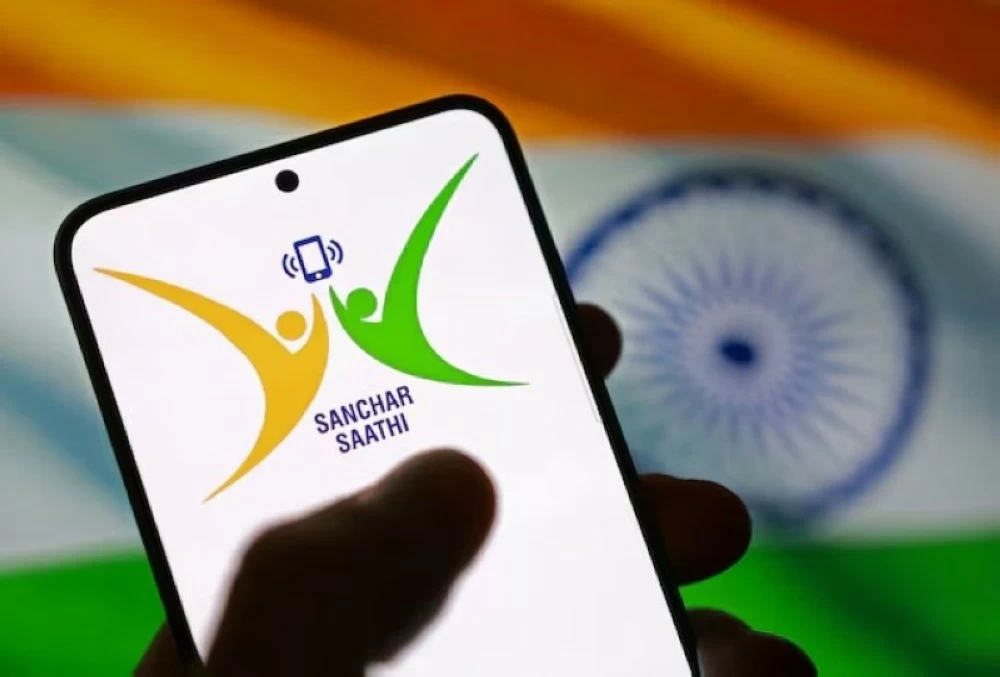
أعلن وزير الاتصالات الهندي جويتيراديتيا إس سينديا، اليوم (الأربعاء)، استعداد الحكومة لتعديل أمرها السري الذي يُلزم مصنّعي الهواتف الذكية بتثبيت تطبيق أمني حكومي يُدعى «سانشار ساتي» (شريك الاتصال) على جميع الأجهزة الجديدة، بعد موجة من الانتقادات الشديدة بشأن مخاوف الخصوصية والمراقبة الحكومية.
جاء الإعلان بعد أن أثارت القرارات، الصادرة سرًا في 28 نوفمبر الماضي، جدلاً واسعًا في البرلمان ووسائل الإعلام والمجتمع المدني.
تعديلات هندية على تطبيق «سانشار ساتي»
وأكد سينديا أمام النواب في البرلمان: «نحن مستعدون لإجراء تعديلات على الأمر بناءً على الملاحظات التي نتلقاها»، مشيرًا إلى أن التطبيق اختياري تمامًا، ويمكن للمستخدمين حذفه إذا لم يرغبوا في استخدامه، خلافًا للصياغة الأولية التي كانت تمنع تعطيله أو إزالته.
لماذا المخاوف من «سانشار ساتي»؟
وبحسب تقارير إعلامية هندية وأخرى عالمية، يمنح أمر الوزارة الشركات الكبرى مثل أبل وسامسونغ وشاومي مهلة 90 يومًا لتثبيت التطبيق على جميع الهواتف المصنّعة أو المستوردة إلى الهند، مع ضمان ظهوره بشكل واضح أثناء إعداد الجهاز، وإرساله عبر تحديثات برمجية للأجهزة المباعة سابقًا. ويُقدّر عدد مستخدمي الهواتف في الهند بنحو 1.2 مليار مشترك اتصالات.
ويُقدم تطبيق «سانشار ساتي»، الذي أُطلق في يناير 2025 كموقع إلكتروني ثم كتطبيق، خدمات مثل التحقق من رقم IMEI للهاتف، الإبلاغ عن الهواتف المسروقة، حظرها، والكشف عن الاتصالات الاحتيالية أو الروابط الضارة عبر الرسائل أو الاتصالات.
إصرار الحكومة الهندية
وتصر الحكومة الهندية على أنه لا يجمع بيانات شخصية دون إخطار المستخدم، ويهدف إلى مكافحة الجرائم الإلكترونية مثل سرقة الهواتف وإعادة بيعها في السوق السوداء.
لكن المعارضة الرئيسية، ممثلة في حزب الكونغرس، وصفت الأمر بـ«غير دستوري» و«آلية تجسس كبرى»، مطالبة بمناقشة الخطر على الخصوصية في البرلمان.
باب خلفي لتهديد الخصوصية
وقال ران ديب سينغ سورجيفالا، قيادي في الحزب: «القلق الجسيم هو أن هذا التطبيق الإلزامي قد يحتوي على باب خلفي يُهدّد خصوصية البيانات»، كما طالب بكشف نتائج التدقيق الأمني المستقل وآليات منع الإساءة.
صحف تنضم للاحتجاج
كما انضمت الصحف الكبرى إلى الاحتجاج؛ حيث اعتبرت صحيفة «الهند إكسبريس» الأمر بأنه «يثير مخاوفًا خطيرة بشأن التجسّس والتدخل»، بينما دعت «تايمز أوف إنديا» إلى سحبه تمامًا، محذّرة من أن «الهواتف مساحة خاصة، وأي تدخل حكومي إلزامي يُنذر بمزيد من الانتهاكات».
أبل ترفض
ومن جانب الصناعة، أبلّغت مصادر عن رفض «أبل» الامتثال، معتبرةً أن مثل هذه الإلزامات تُثير مشكلات أمنية وخصوصية لنظام iOS، ولا تُطبّق في أي بلد آخر.
يُعدّ هذا الجدل الثاني الكبير الذي يواجه رئيس الوزراء ناريندرا مودي بشأن الخصوصية؛ فقد واجه انتقادات مماثلة في 2020 بسبب تطبيق تتبّع الاتصال بكورونا، الذي خُفِّف لاحقًا إلى طلب طوعي بعد احتجاجات المدافعين عن الخصوصية.
Indian Communications Minister Jyotiraditya Scindia announced today (Wednesday) the government's readiness to amend its secret order that requires smartphone manufacturers to install a government security app called "Sanchaar Sathi" (Communication Partner) on all new devices, following a wave of severe criticism regarding privacy and government surveillance concerns.
The announcement came after the decisions, issued secretly on November 28, sparked widespread controversy in parliament, the media, and civil society.
Indian Amendments to the "Sanchaar Sathi" App
Scindia confirmed before members of parliament: "We are ready to make amendments to the order based on the feedback we receive," noting that the app is completely optional, and users can delete it if they do not wish to use it, contrary to the initial wording that prevented its deactivation or removal.
Why the Concerns about "Sanchaar Sathi"?
According to Indian and global media reports, the ministry's order gives major companies like Apple, Samsung, and Xiaomi a 90-day deadline to install the app on all phones manufactured or imported to India, ensuring that it appears prominently during device setup and is sent through software updates for previously sold devices. The number of mobile phone users in India is estimated to be around 1.2 billion telecom subscribers.
The "Sanchaar Sathi" app, which was launched in January 2025 as a website and then as an app, provides services such as verifying the phone's IMEI number, reporting stolen phones, blocking them, and detecting fraudulent communications or harmful links via messages or calls.
Indian Government's Stance
The Indian government insists that it does not collect personal data without notifying the user and aims to combat cybercrimes such as phone theft and resale in the black market.
However, the main opposition, represented by the Congress Party, described the order as "unconstitutional" and a "major spying mechanism," calling for a discussion on privacy risks in parliament.
A Backdoor Threat to Privacy
Ran Deep Singh Surjewala, a leader in the party, stated: "The serious concern is that this mandatory app may contain a backdoor that threatens data privacy," and he called for the disclosure of the results of independent security audits and mechanisms to prevent abuse.
Newspapers Join the Protest
Major newspapers have also joined the protest; the "Indian Express" considered the order to raise "serious concerns about spying and interference," while the "Times of India" called for its complete withdrawal, warning that "phones are private spaces, and any mandatory government intervention heralds further violations."
Apple Refuses
From the industry side, sources reported that Apple has refused to comply, considering such mandates to raise security and privacy issues for the iOS system, and that they are not implemented in any other country.
This is the second major controversy facing Prime Minister Narendra Modi regarding privacy; he faced similar criticism in 2020 over a COVID contact tracing app, which was later softened to a voluntary request after protests from privacy advocates.