في كارثة طبيعية هي الأعنف منذ سنوات، لقي نحو ألف شخص حتفهم خلال الأيام القليلة الماضية جرّاء فيضانات مدمرة وانهيارات طينية ضربت أربع دول آسيوية هي سريلانكا وإندونيسيا وتايلند وماليزيا.
وتسببت أنظمة جوية منفصلة في هطول أمطار غزيرة ومتواصلة الأسبوع الماضي على كامل جزيرة سريلانكا وأجزاء واسعة من جزيرة سومطرة الإندونيسية وجنوب تايلند وشمال ماليزيا، ما أدى إلى تفاقم الوضع بسبب إعصار استوائي نادر ضرب سومطرة تحديدًا.
وفي إندونيسيا، حيث بلغ عدد القتلى 442 على الأقل ومئات المفقودين، وصل الرئيس برابوو سوبيانتو، اليوم (الإثنين)، إلى شمال سومطرة وقال: «الأسوأ قد انتهى.. نأمل ذلك».
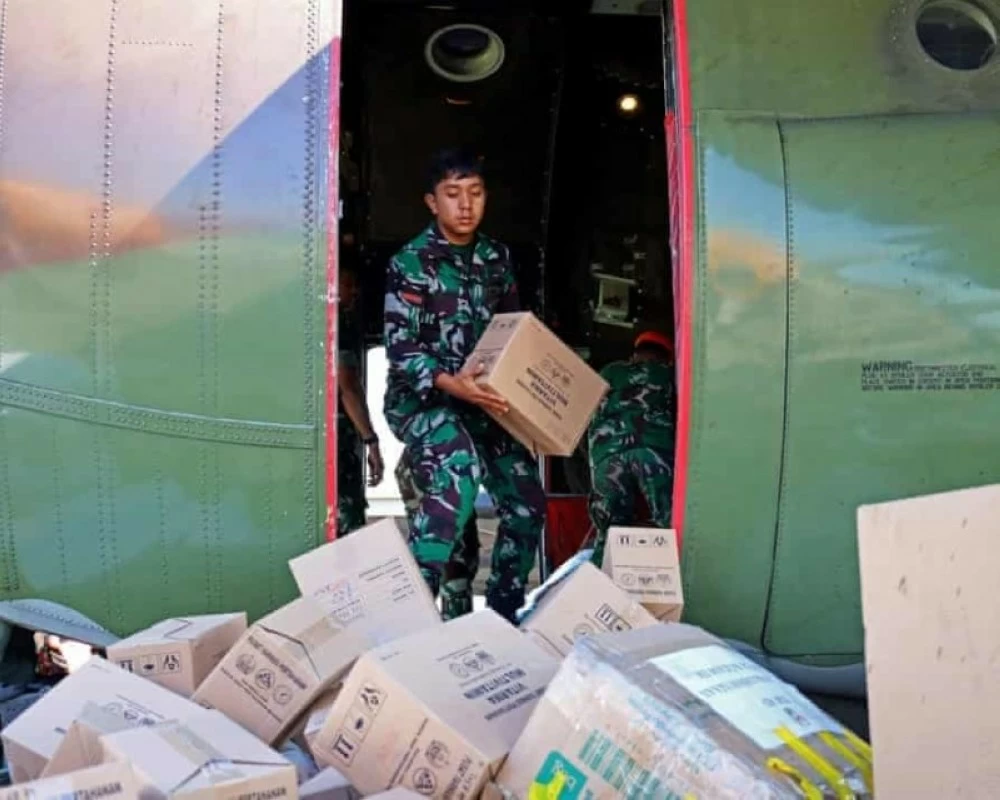
وأكد أن الأولوية الآن هي «إيصال المساعدات بأسرع وقت ممكن» إلى القرى المعزولة تمامًا.
ورغم الضغوط المتزايدة عليه لإعلان حالة طوارئ وطنية، لم يطلب برابوو حتى الآن مساعدات دولية بشكل علني، بخلاف سريلانكا.
الكارثة الأكثر دموية في إندونيسيا
وتُعد هذه الكارثة الأكثر دموية في إندونيسيا منذ زلزال وتسونامي سولاويزي عام 2018 الذي أودى بأكثر من 2000 شخص.
وأرسلت الحكومة الإندونيسية ثلاث بوارج حربية محملة بالمساعدات ومستشفيين عائمين إلى المناطق الأكثر تضررًا، حيث لا تزال معظم الطرق غير سالكة.
طوارئ في سريلانكا
أما في سريلانكا، فقد أعلن الرئيس أنورا كومارا ديساناياكي حالة الطوارئ وطلب مساعدات دولية فورية.
وأفادت السلطات أمس (الإثنين) بمقتل 340 شخصًا على الأقل وفقدان أعداد كبيرة أخرى جرّاء الفيضانات والانهيارات الناجمة عن الإعصار «ديتواه».
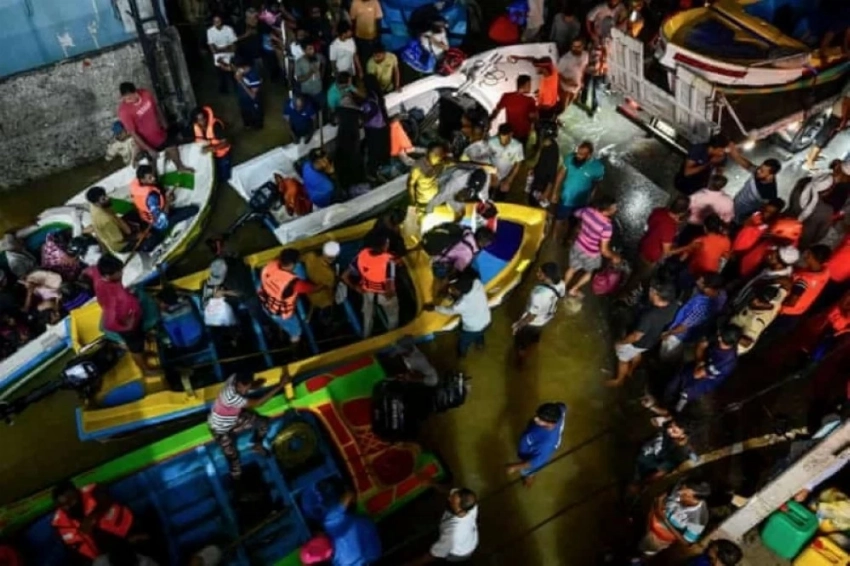
وفي العاصمة كولومبو، بلغ منسوب المياه ذروته ليل الأحد-الإثنين، لكن توقف الأمطار أعطى أملاً في بدء انحسار المياه، وبدأت بعض المحال والمكاتب بإعادة الفتح. غير أن حجم الأضرار في المنطقة الوسطى – الأكثر تضررًا – بدأ يظهر بوضوح فقط الآن مع فتح الطرق المغلقة بسبب الأشجار المتساقطة والانهيارات الطينية.
وقال الرئيس ديساناياكي في خطاب للأمة: «نواجه أكبر وأصعب كارثة طبيعية في تاريخنا وسنعيد البناء بوطن أفضل مما كان».
وتُعد هذه الفيضانات الأسوأ في سريلانكا منذ تسونامي المحيط الهندي المدمر عام 2004 الذي قتل نحو 31 ألف شخص وشرد أكثر من مليون.
مروحيات عسكرية لإجلاء العالقين
واستخدمت القوات المسلحة السريلانكية مروحيات عسكرية لإجلاء العالقين وإيصال الطعام والدواء، لكن إحدى هذه المروحيات تحطمت مساء الأحد شمال كولومبو.
يأتي كل ذلك في وقت تمر فيه معظم دول آسيا بموسم الأمطار الموسمية السنوي الذي يجلب عادة أمطارًا غزيرة وانهيارات وفيضانات مفاجئة.
لكن الخبراء يؤكدون أن أزمة المناخ فاقمت حدة هذه العواصف، إذ يحمل الجو الذي ارتفعت حرارته المزيد من الرطوبة، ما يؤدي إلى هطول أمطار أشد غزارة وتكرارًا.
In the most severe natural disaster in years, around a thousand people have died in the past few days due to devastating floods and landslides that struck four Asian countries: Sri Lanka, Indonesia, Thailand, and Malaysia.
Separate weather systems caused heavy and continuous rainfall last week across the entire island of Sri Lanka, large parts of Indonesia's Sumatra Island, southern Thailand, and northern Malaysia, exacerbating the situation due to a rare tropical cyclone that specifically hit Sumatra.
In Indonesia, where the death toll has reached at least 442 with hundreds missing, President Prabowo Subianto arrived in North Sumatra today (Monday) and said, "The worst is over... we hope so."
He confirmed that the priority now is to "deliver aid as quickly as possible" to completely isolated villages.
Despite increasing pressure on him to declare a national emergency, Prabowo has not yet publicly requested international assistance, unlike Sri Lanka.
The deadliest disaster in Indonesia
This disaster is the deadliest in Indonesia since the Sulawesi earthquake and tsunami in 2018, which claimed more than 2,000 lives.
The Indonesian government has sent three warships loaded with aid and two floating hospitals to the most affected areas, where most roads remain impassable.
Emergency in Sri Lanka
In Sri Lanka, President Anura Kumara Dissanayake declared a state of emergency and requested immediate international assistance.
Authorities reported yesterday (Monday) that at least 340 people have died and many others are missing due to the floods and landslides caused by Cyclone "Ditoah."
In the capital, Colombo, water levels peaked late Sunday into Monday, but the cessation of rain has given hope for the waters to recede, and some shops and offices have begun to reopen. However, the extent of the damage in the central region – the most affected – has only now begun to become clear as roads blocked by fallen trees and landslides are reopened.
President Dissanayake said in a speech to the nation, "We are facing the largest and most difficult natural disaster in our history, and we will rebuild a country better than it was."
These floods are the worst in Sri Lanka since the devastating Indian Ocean tsunami in 2004, which killed around 31,000 people and displaced more than a million.
Military helicopters to evacuate the stranded
The Sri Lankan armed forces used military helicopters to evacuate those stranded and deliver food and medicine, but one of these helicopters crashed on Sunday evening north of Colombo.
All of this comes at a time when most Asian countries are experiencing the annual monsoon season, which typically brings heavy rains, landslides, and flash floods.
However, experts confirm that the climate crisis has intensified the severity of these storms, as warmer air holds more moisture, leading to heavier and more frequent rainfall.