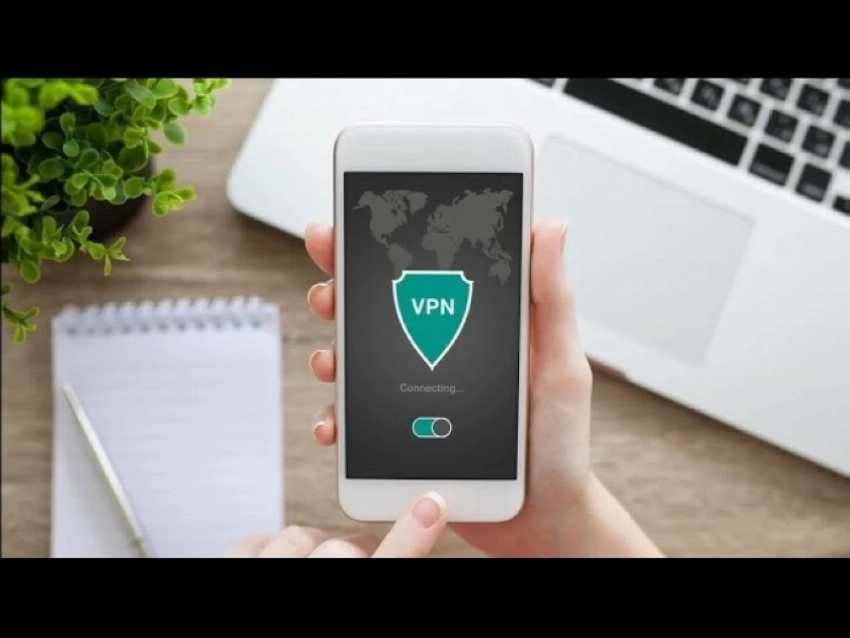
في تطور دراماتيكي قد يغير قواعد الخصوصية على الإنترنت، جددت وكالة الأمن السيبراني وأمن البنية التحتية الأمريكية تحذيرها الحاسم لمستخدمي هواتف آيفون وأندرويد: «توقفوا فورًا عن استخدام شبكات VPN الشخصية».
التحذير الذي أُعيد نشره، أمس الأحد، بحسب موقع «forbes» جاء بالتزامن مع دخول قانون التحقق من العمر للمواقع الإباحية حيز التنفيذ في ولاية ميسوري، مما أدى إلى تضاعف عمليات البحث عن كلمة «VPN» أربع مرات خلال يوم واحد فقط.
تطبيقات VPNلا تحمي المستخدمين
الوكالة الأمريكية أوضحت أن معظم تطبيقات VPN – خصوصًا المجانية والتجارية الرخيصة – لا تحمي المستخدم فعليًا، بل تنقل المخاطر من مزود الإنترنت إلى شركة الـ VPN نفسها، التي قد تبيع بياناتك أو تُخترق بسهولة.
ومع تصاعد الضغوط السياسية لفرض قيود أو حظر كلي على استخدام VPN لتجاوز قوانين التحقق من العمر في أمريكا وبريطانيا، يبدو أن عصر الـ VPN التقليدي يقترب من نهايته.
7
هل تنتهي الخصوصية الرقمية؟
في الوقت نفسه يؤكد خبراء الأمن السيبراني أن عام 2025 يشهد طفرة في تقنيات بديلة أكثر أمانًا وسرعة ومقاومة للرقابة، تعتمد أغلبها على مبدأ «الثقة الصفرية» (Zero Trust) الذي أصبح المعيار الجديد عالميًا، مما يدحض مقولة «نهاية الخصوصية الرقمية».
بدائل VPN
أبرز هذه البدائل تقنية ZTNA (Zero Trust Network Access)، التي تتيح الوصول الآمن إلى التطبيقات والمواقع دون الحاجة لتوجيه كامل حركة الإنترنت عبر خادم وسيط.
كما تقدم شركات عالمية مثل Cloudflare وZscaler وPalo Alto Networks حلولاً تجارية وشخصية أثبتت تفوقها في السرعة والأمان، وشهدت استثماراتها نموًا بنسبة 40% خلال العام الحالي.
وفي الوقت نفسه، عادت شبكة Tor لتتصدر قوائم المستخدمين الباحثين عن خصوصية مطلقة، بينما يفضل آخرون أدوات خفيفة مثل Shadowsocks وPsiphon لتجاوز الرقابة دون التضحية بالسرعة.
أما الشركات الكبرى فتنتقل بسرعة إلى منصات SASE المتكاملة التي تجمع بين الشبكة والحماية في السحابة.
تحذيرات الخبراء
في سياق متصل، حذرت منظمة الحقوق الرقمية الشهيرة EFFمن أن «الهجوم على VPN هو هجوم على الحرية والخصوصية الرقمية»، مؤكدة أن محاولات الحكومات حظر هذه الأدوات لن تمنع الناس من البحث عن بدائل أكثر ذكاءً.
كما يؤكد خبراء الأمن السيبراني، أن الـ VPN التقليدية كانت الحل في 2015، أما في 2025 فالحلول الجديدة أذكى وأسرع وأصعب على أي جهة أن توقفها.
In a dramatic development that could change the rules of online privacy, the U.S. Cybersecurity and Infrastructure Security Agency has renewed its critical warning to users of iPhone and Android phones: "Stop using personal VPNs immediately."
The warning, which was republished yesterday, Sunday, according to Forbes, coincided with the implementation of the age verification law for pornographic websites in Missouri, leading to a fourfold increase in searches for the term "VPN" in just one day.
VPN Apps Do Not Protect Users
The U.S. agency clarified that most VPN applications—especially free and cheap commercial ones—do not actually protect the user, but rather transfer the risks from the internet service provider to the VPN company itself, which may sell your data or be easily hacked.
With the rising political pressure to impose restrictions or a complete ban on the use of VPNs to bypass age verification laws in the U.S. and the U.K., it seems that the era of traditional VPNs is nearing its end.
7
Is Digital Privacy Coming to an End?
At the same time, cybersecurity experts confirm that the year 2025 will witness a boom in alternative technologies that are safer, faster, and more resistant to censorship, most of which rely on the principle of "Zero Trust," which has become the new global standard, refuting the notion of "the end of digital privacy."
VPN Alternatives
One of the most prominent alternatives is the ZTNA (Zero Trust Network Access) technology, which allows secure access to applications and websites without the need to route all internet traffic through an intermediary server.
Global companies like Cloudflare, Zscaler, and Palo Alto Networks also offer commercial and personal solutions that have proven superior in speed and security, with their investments growing by 40% during the current year.
At the same time, the Tor network has returned to the forefront for users seeking absolute privacy, while others prefer lightweight tools like Shadowsocks and Psiphon to bypass censorship without sacrificing speed.
Meanwhile, major companies are rapidly transitioning to integrated SASE platforms that combine networking and security in the cloud.
Experts' Warnings
In a related context, the renowned digital rights organization EFF warned that "an attack on VPNs is an attack on freedom and digital privacy," emphasizing that government attempts to ban these tools will not prevent people from seeking smarter alternatives.
Cybersecurity experts also affirm that traditional VPNs were the solution in 2015, but by 2025, the new solutions will be smarter, faster, and harder for any entity to stop.