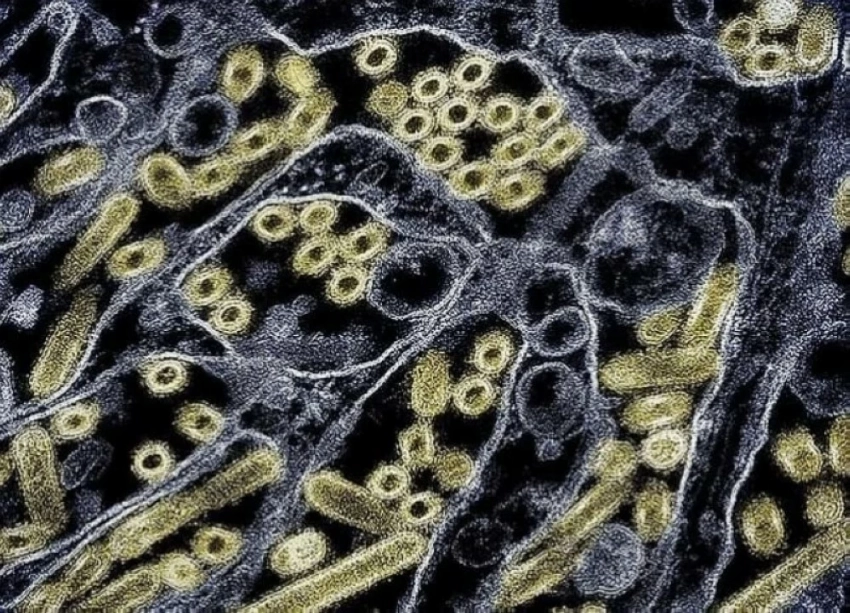
كشفت دراسة حديثة أجرتها جامعة كامبريدج البريطانية أن آلية الدفاع الطبيعية الأساسية في جسم الإنسان، وهي «الحمى»، قد تكون بلا فائدة تماماً بل وربما مضرة عند الإصابة بفايروس إنفلونزا الطيور (H5N1)، في اكتشاف قد يُغيّر استراتيجيات علاج أي جائحة محتملة.
إنفلونزا الطيور تسبّب أمراضاً خطيرة
وأظهرت التجارب التي أُجريت على فئران معملية أن الفايروسات البشرية العادية تتوقف عن التكاثر عندما ترتفع درجة حرارة الجسم إلى 41 درجة مئوية (حمى شديدة)، لكن النسخة المُعدّلة من الفايروس لتُشبه إنفلونزا الطيور استمرت في التكاثر بالقوة نفسها، وتسببت في أمراض خطيرة حتى عند هذه الدرجة المرتفعة.
السبب العلمي: فايروس إنفلونزا الطيور يعيش أصلاً في أمعاء الطيور وجهازها التنفسي السفلي، إذ تصل درجة الحرارة إلى 40 - 42 مئوية، وهي أعلى مما يستطيع جسم الإنسان تحمله؛ لذا فإن «الحمى» التي تُبطئ الفايروسات البشرية لا تؤثر على فايروس الطيور بل قد تُشكل بيئة مريحة له.
لماذا لا نُصاب بإنفلونزا الطيور كثيراً؟
وقال الدكتور سام ويلسون، قائد فريق البحث بجامعة كامبريدج: «لحسن الحظ لا نُصاب بإنفلونزا الطيور كثيراً، لكن عندما يحدث ذلك فإن نسبة الوفيات مرتفعة جداً، دراستنا تُفسر لماذا، وتؤكد أن خفض الحمى قد يكون الخيار الأفضل في بعض الحالات».
وأضاف الدكتور مات تيرنبول، الباحث الأول في الدراسة: «رصد سلالات إنفلونزا الطيور ومدى مقاومتها للحمى قد يُساعدنا في التنبؤ بالسلالات الأكثر خطورة على البشر».
وفاة أول حالة في واشنطن بسلالة جديدة من إنفلونزا الطيور
تأتي الدراسة التي نُشرت في مجلة «ساينس» العالمية بعد أيام فقط من وفاة أول حالة في ولاية واشنطن الأمريكية بسلالة جديدة من إنفلونزا الطيور لم تُسجل من قبل في البشر، وهي ثاني وفاة فقط في الولايات المتحدة منذ بدء التفشي عام 2022.
في السياق نفسه، حذّرت السلطات الفرنسية من أن أي جائحة إنفلونزا طيور محتملة قد تكون أكثر فتكاً من جائحة كورونا.
71 إصابة بشرية بإنفلونزا الطيور في أمريكا
وحتى الآن، سجلت الولايات المتحدة 71 إصابة بشرية بإنفلونزا الطيور منذ يناير 2022، معظمها مرتبط بالتعامل المباشر مع الدواجن أو الأبقار المصابة، وتنتشر العدوى حالياً في كل ولاية أمريكية بين الطيور البرية والداجنة.
ويحذّر العلماء من أن أشهر الخريف والشتاء تشهد زيادة في الإصابات بسبب هجرة الطيور البرية حاملة الفايروس، مع مخاوف متزايدة من تحول الفايروس لينتقل بسهولة بين البشر، مما قد يُشعل جائحة عالمية جديدة.
وخلصت الدراسة إلى توصية طبية جديدة مثيرة للجدل: «في حالات إنفلونزا الطيور المؤكدة، قد يكون من الأفضل عدم علاج الحمى بالخافضات، بل ربما خفض درجة حرارة المريض صناعياً في بعض الحالات الحرجة».
الدراسة ما زالت في مرحلة التجارب على الحيوانات، لكن الباحثين يطالبون بإجراء تجارب مماثلة على حيوانات أقرب للإنسان لتأكيد النتائج قبل أي جائحة محتملة.
A recent study conducted by the University of Cambridge in the UK revealed that the body's primary natural defense mechanism, which is "fever," may be completely useless and possibly harmful when infected with the bird flu virus (H5N1), in a discovery that could change treatment strategies for any potential pandemic.
Bird Flu Causes Serious Illnesses
The experiments conducted on laboratory mice showed that common human viruses stop replicating when the body temperature rises to 41 degrees Celsius (high fever), but the modified version of the virus resembling bird flu continued to replicate at the same strength, causing serious illnesses even at this high temperature.
The scientific reason: The bird flu virus originally lives in the intestines and lower respiratory tract of birds, where temperatures reach 40 - 42 degrees Celsius, which is higher than what the human body can tolerate; thus, the "fever" that slows down human viruses does not affect the bird virus and may actually create a comfortable environment for it.
Why Don't We Get Bird Flu Often?
Dr. Sam Wilson, the lead researcher at the University of Cambridge, said: "Fortunately, we do not get bird flu very often, but when it does occur, the mortality rate is very high. Our study explains why and confirms that reducing fever may be the best option in some cases."
Dr. Matt Turnbull, the lead researcher in the study, added: "Monitoring bird flu strains and their resistance to fever may help us predict the strains that are most dangerous to humans."
First Death in Washington from a New Strain of Bird Flu
The study published in the global journal "Science" comes just days after the first death in Washington State, USA, from a new strain of bird flu that has not been recorded in humans before, marking only the second death in the United States since the outbreak began in 2022.
In the same context, French authorities warned that any potential bird flu pandemic could be more deadly than the COVID-19 pandemic.
71 Human Cases of Bird Flu in America
So far, the United States has recorded 71 human cases of bird flu since January 2022, most of which are linked to direct contact with infected poultry or cattle, and the infection is currently spreading in every U.S. state among wild and domestic birds.
Scientists warn that the fall and winter months see an increase in cases due to the migration of wild birds carrying the virus, with growing concerns that the virus could mutate to spread easily among humans, potentially igniting a new global pandemic.
The study concluded with a new controversial medical recommendation: "In confirmed cases of bird flu, it may be better not to treat fever with antipyretics, and perhaps to artificially lower the patient's temperature in some critical cases."
The study is still in the animal testing phase, but researchers are calling for similar experiments on animals closer to humans to confirm the results before any potential pandemic.