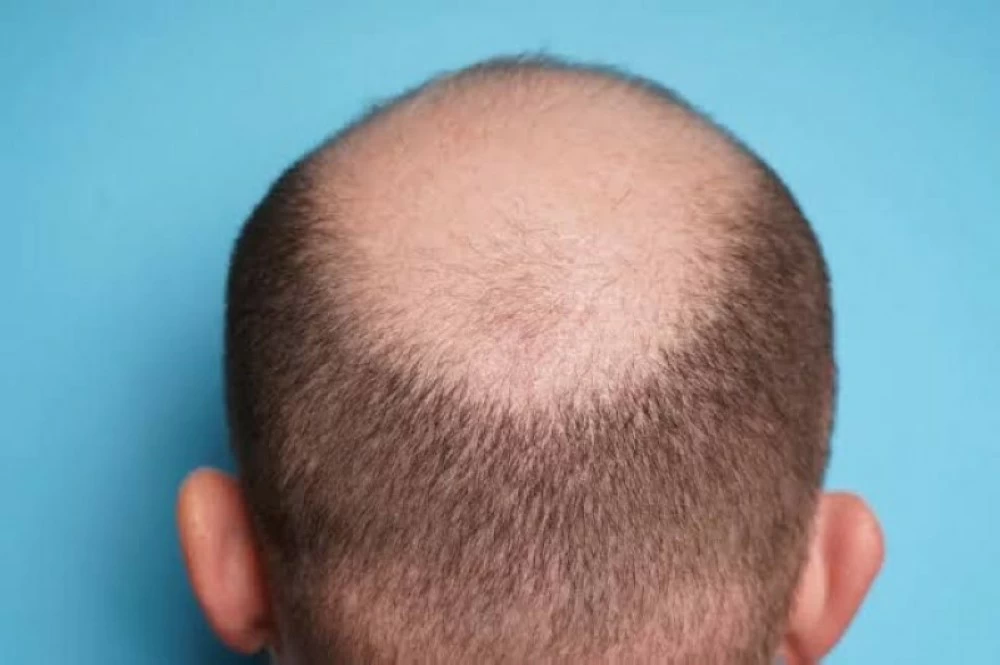
حذّر خبراء الجلد والشعر في بريطانيا من موجة جديدة متوقعة من الإصابة بـ«القوباء الحلقية» (السعفة) في فروة الرأس هذا الشتاء، مؤكدين أن مشاركة القبعات - تحديداً - الشتوية أو قد تكون السبب الرئيسي في انتشار العدوى، والتي قد تؤدي إلى بقع صلع دائمة إذا تُركت دون علاج.
رغم أن الكثيرين يظنون أن «القوباء الحلقية» مرض انقرض مع العصر الفيكتوري، فإنها عدوى فطرية شائعة جداً تصيب ما بين 10 إلى 20% من السكان في مرحلة ما من حياتهم، خصوصاً الأطفال، وهي لا تُسببها دودة كما يوحي اسمها، بل فطريات جلدية تنتقل عبر التماس المباشر بالجلد أو عبر الأغراض المشتركة مثل المناشف، المشط، فرشاة الشعر، أغطية الوسادات والقبعات.
عادات تسبب الصلع
وبحسب صحيفة «ديلي ميل» قال المدير التنفيذي لمجموعة «إيستي ميديكال» المتخصصة في الجلد والشعر، سام جنكير: «الفطريات يمكنها العيش لفترات طويلة على الأقمشة والقبعات، إذا شاركت قبعتك مع شخص مصاب، حتى لو لم تظهر عليه الأعراض بعد، فقد تنتقل العدوى إليك مباشرة، مشيرًا إلى أن العلاج سهل بالكريمات أو الشامبو المضاد للفطريات، لكن التأخير قد يؤدي إلى ظهور بقع صلع دائمة قبيحة المظهر».
وأضاف: «أهم نصيحة هذا الشتاء: لا تشارك قبعتك مع أحد، حتى لو كان صديقاً أو قريباً، وإذا شككت في الإصابة، لا تخدش المنطقة أبداً لأن ذلك ينشر الفطريات إلى أماكن أخرى من الجسم، واغسل فوراً كل ملاءة أو ملابس لامست رأسك، ثم توجه إلى الطبيب».
أعراض السعفة في فروة الرأس
وعن الأعراض الشائعة للسعفة في فروة الرأس، قال: حكة شديدة، بقع دائرية متقشرة ذات حواف مرتفعة، ظهور حبوب صغيرة متناثرة (حمراء على البشرة الفاتحة، وبنية أو رمادية على البشرة الداكنة)، تساقط الشعر داخل البقعة المصابة.
وشهد العام الماضي ارتفاعاً حاداً في الحالات، وألقى الحلاقون البريطانيون اللوم على محلات الحلاقة الرخيصة وغير المؤهلة التي تنتشر في الشوارع، خاصة مع انتشار قصة «السكين فيد» (Skin Fade) التي تتطلب حلاقة الجلد مباشرة وتزيد فرص نقل العدوى إذا لم تُعقَّم الأدوات جيداً.
نصائح الخبراء لتجنب الصلع
من جانبه، أكد الدكتور جيمس أودونوفان، طبيب في هيئة الخدمات الصحية البريطانية وعضو في مجموعة الخبراء الاستشارية بمنظمة الصحة العالمية، أن الفطريات قد تعيش أشهراً على القبعات، ونصح بما يلي:
- إذا أصيب طفل، يجب إبلاغ المدرسة وأولياء أمور زملائه فوراً.
- فحص جميع أفراد الأسرة وعلاجهم حتى لو لم تظهر أعراض.
- في بعض الحالات، يُفضَّل أن تستخدم الأسرة بأكملها شامبو طبي مضاد للفطريات مرتين أسبوعياً لمدة 4 أسابيع وقائياً.
- العلاج عادة يكون بكريمات أو جِل مضاد للفطريات، وفي الحالات الشديدة يُصف الطبيب أقراصاً فموية، والشفاء التام ممكن تماماً إذا تم اكتشاف المرض مبكراً.
Experts in skin and hair in Britain have warned of a new expected wave of "ringworm" (tinea) infections on the scalp this winter, emphasizing that sharing hats—specifically winter ones—could be the main reason for the spread of the infection, which may lead to permanent bald patches if left untreated.
Although many believe that "ringworm" is a disease that became extinct with the Victorian era, it is a very common fungal infection that affects between 10 to 20% of the population at some point in their lives, especially children. It is not caused by a worm as its name suggests, but by skin fungi that spread through direct skin contact or through shared items such as towels, combs, hairbrushes, pillowcases, and hats.
Habits That Cause Baldness
According to the Daily Mail, Sam Jankir, the CEO of the "Este Medical" group specializing in skin and hair, said: "Fungi can live for long periods on fabrics and hats. If you share your hat with someone infected, even if they do not show symptoms yet, the infection may transfer to you directly." He noted that treatment is easy with antifungal creams or shampoos, but delaying treatment may lead to the appearance of unsightly permanent bald patches.
He added: "The most important advice this winter: do not share your hat with anyone, even if they are a friend or relative. If you suspect an infection, never scratch the area as this spreads the fungi to other parts of the body, and immediately wash any sheets or clothing that touched your head, then see a doctor."
Symptoms of Tinea on the Scalp
Regarding the common symptoms of tinea on the scalp, he said: severe itching, round scaly patches with raised edges, the appearance of small scattered bumps (red on light skin, brown or gray on dark skin), and hair loss within the affected patch.
Last year saw a sharp rise in cases, and British barbers blamed cheap and unqualified barbershops that are prevalent on the streets, especially with the popularity of the "skin fade" haircut that requires shaving the skin directly and increases the chances of transmitting the infection if tools are not properly sanitized.
Expert Tips to Avoid Baldness
For his part, Dr. James O'Donovan, a doctor with the British National Health Service and a member of the advisory expert group for the World Health Organization, confirmed that fungi can live for months on hats and advised the following:
- If a child is infected, the school and the parents of their classmates should be informed immediately.
- Check all family members and treat them even if no symptoms appear.
- In some cases, it is preferable for the entire family to use an antifungal medical shampoo twice a week for 4 weeks as a precaution.
- Treatment is usually with antifungal creams or gels, and in severe cases, the doctor prescribes oral tablets, with complete recovery being entirely possible if the disease is detected early.