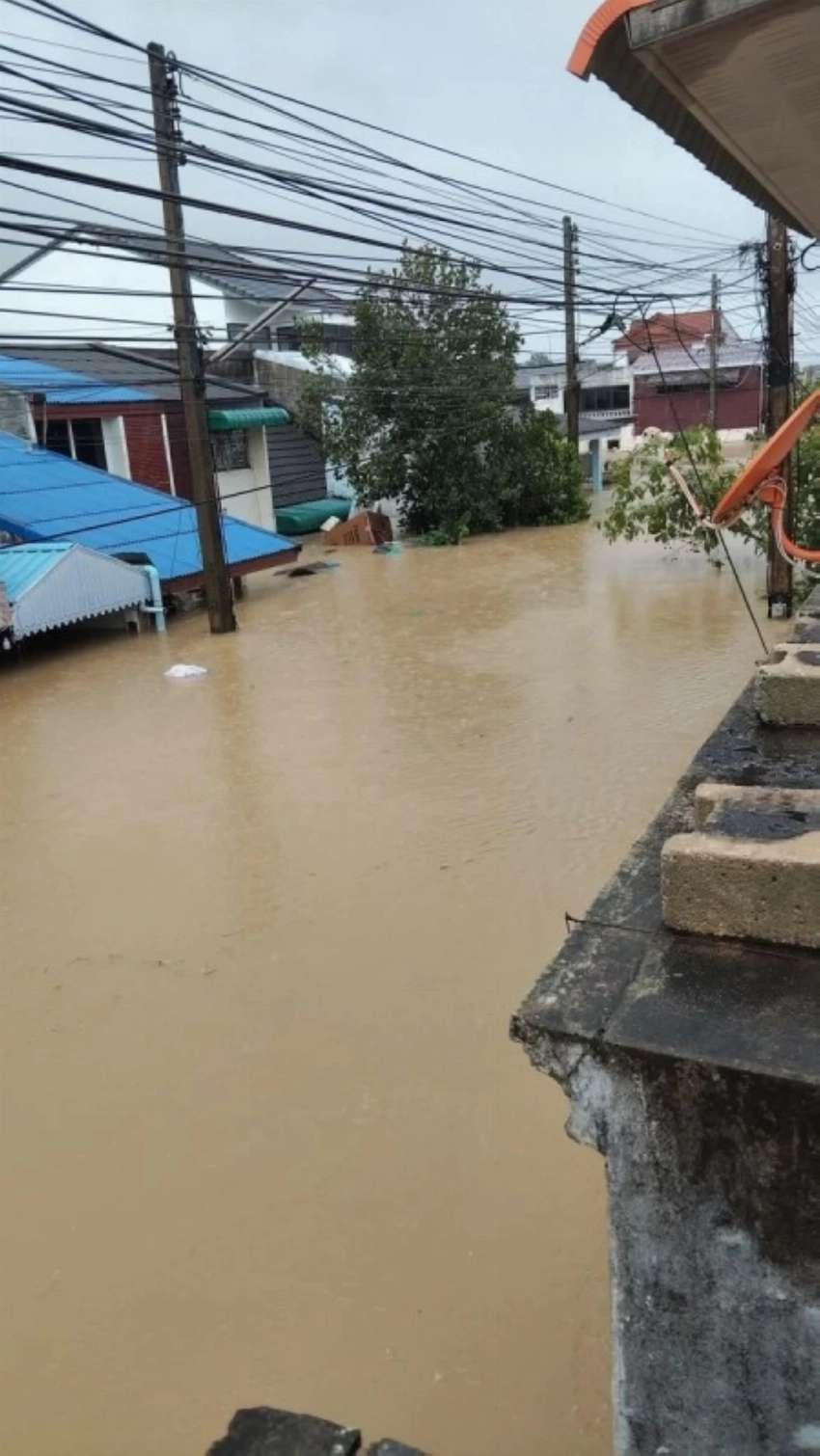
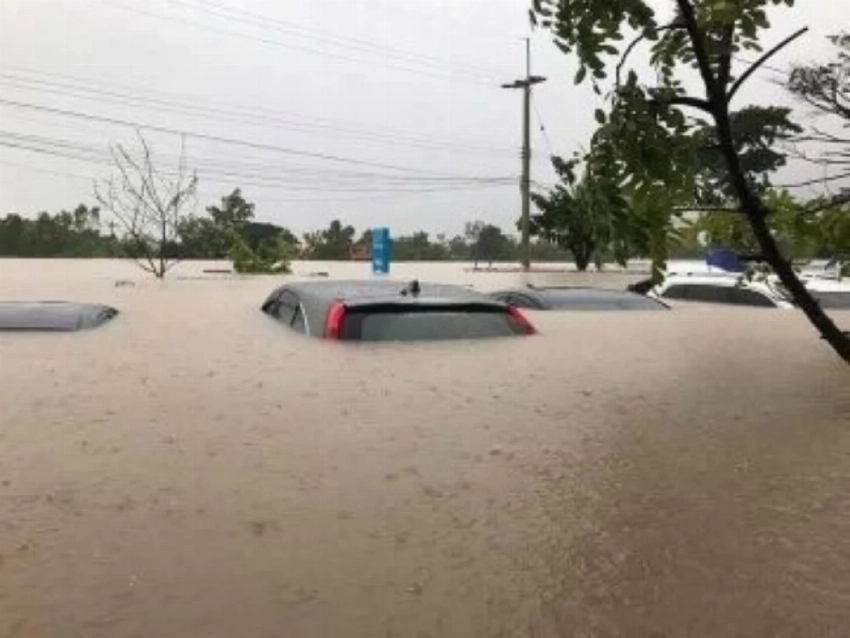
تسببت فيضانات شديدة ناتجة عن هطول أمطار غزيرة مستمرة ضربت تايلند في شلل كامل لحركة النقل في المناطق الجنوبية من تايلند، إذ أغلقت السكك الحديدية وانقطعت الطرق السريعة في عدة محافظات، مما أثر على مئات آلاف السكان والمسافرين.
وأعلنت شركة السكك الحديدية التايلندية إيقاف 12 قطارا رئيسيا اعتبارا من اليوم (الإثنين)، مع تعديل مسارات 4 قطارات أخرى في الجنوب، وفقا لتقارير «بانكوك بوست»، وذلك في ظل تصاعد مستويات المياه في 10 محافظات جنوبية، مع تحذيرات من كارثة إنسانية محتملة إذا استمرت الأمطار.
وبدأت الأزمة في 17 نوفمبر مع تحذيرات من مكتب الموارد المائية الوطني لـ11 محافظة جنوبية من خطر الفيضانات المفاجئة والانهيارات الأرضية حتى 22 نوفمبر، لكن الأمطار المستمرة أدت إلى تصعيد الوضع، وفي 24 نوفمبر، أغلقت السكك الحديدية خطوطا رئيسية بسبب ارتفاع المياه إلى 15 سم فوق السكك في مناطق مثل تشونغ خو-رون فيبون وخطوط هات ياي-باتاني (سونغخلا).
تدخل عاجل وإغلاق طرق رئيسية
وعلى صعيد الطرق، أعلنت مديرية إدارة الطرق السريعة إغلاق عدة طرق رئيسية، بما في ذلك في سونغخلا، باتاني، يالا، وترانغ، إذ غمرت المياه الطريق السريع في هات ياي بعمق 40-60 سم، مما جعلها غير صالحة إلا للمركبات ذات الارتفاع العالي، كما أغلقت إدارة الطرق الريفية 14 طريقا رئيسيا في 5 محافظات، وأوقفت شركة النقل البري خدمات الحافلات، مما أدى إلى عزل آلاف السكان، مع تقارير عن نقص في المياه النظيفة والغذاء في المناطق الغارقة.
وأعلن حاكم محافظة سونغخلا المحافظة ومحيطها «مناطق حمراء»، مطالبا بإجلاء فوري للسكان الضعفاء، بينما زار نائب رئيس الوزراء أنوتين شارنفيراكول المناطق المتضررة يوم 22 نوفمبر لتوزيع المساعدات، وقال إن الوضع خطير، ويجب على الجميع الالتزام بتعليمات السلطات.
أزمة فيضانات وانهيارات متكررة
وتُعد تايلند واحدة من أكثر الدول الآسيوية تأثرا بالفيضانات السنوية، خصوصا في الجنوب خلال موسم الرياح الموسمية الشمالية الشرقية من نوفمبر إلى مارس، الذي يجلب أمطارا غزيرة تصل إلى 90 ملم في 24 ساعة، مما يؤدي إلى فيضانات مفاجئة وانهيارات أرضية.
وفي عام 2025، تفاقم الوضع بسبب ظاهرة «لا نينيا» المتوقعة، التي تزيد من شدة الأمطار بنسبة تصل إلى 20% مقارنة بالمتوسط، وفقا لتقارير منظمة الأرصاد الجوية العالمية.
وتشهد منطقة الجنوب، التي تعتمد اقتصاديا على الزراعة مثل المطاط والأرز والسياحة، سنويا خسائر تصل إلى مليارات البات التايلندي، كما حدث في فيضانات 2011 التي أثرت على 20 مليون شخص، وفي تلك المرة أثرت الفيضانات حتى اليوم على أكثر من 130 ألف أسرة في 7-10 محافظات، مع إجلاء آلاف السكان وتعطيل التجارة الحدودية مع ماليزيا، إذ علق نحو 4 آلاف سائح ماليزي في هات ياي.
Severe flooding caused by continuous heavy rainfall has paralyzed transportation in southern Thailand, as railways were closed and highways were cut off in several provinces, affecting hundreds of thousands of residents and travelers.
The State Railway of Thailand announced the suspension of 12 main trains starting today (Monday), with the rerouting of 4 other trains in the south, according to reports from the Bangkok Post, amid rising water levels in 10 southern provinces, with warnings of a potential humanitarian disaster if the rains continue.
The crisis began on November 17 with warnings from the National Water Resources Office for 11 southern provinces about the risk of flash floods and landslides until November 22, but the continuous rain escalated the situation. On November 24, the railways closed main lines due to water levels rising 15 cm above the tracks in areas such as Chonburi and the Hat Yai-Patani (Songkhla) lines.
Urgent Intervention and Closure of Main Roads
Regarding the roads, the Highway Department announced the closure of several main roads, including in Songkhla, Pattani, Yala, and Trang, as water flooded the highway in Hat Yai to a depth of 40-60 cm, making it impassable except for high-clearance vehicles. The Rural Roads Department also closed 14 main roads in 5 provinces and the land transport company suspended bus services, isolating thousands of residents, with reports of shortages of clean water and food in the flooded areas.
The governor of Songkhla province declared the province and its surroundings as "red zones," calling for the immediate evacuation of vulnerable residents, while Deputy Prime Minister Anutin Charnvirakul visited the affected areas on November 22 to distribute aid, stating that the situation is serious and everyone must adhere to the authorities' instructions.
Flood Crisis and Recurring Landslides
Thailand is one of the most affected Asian countries by annual flooding, especially in the south during the northeast monsoon season from November to March, which brings heavy rains of up to 90 mm in 24 hours, leading to flash floods and landslides.
In 2025, the situation is expected to worsen due to the anticipated "La Niña" phenomenon, which increases rainfall intensity by up to 20% compared to the average, according to reports from the World Meteorological Organization.
The southern region, which economically relies on agriculture such as rubber and rice, as well as tourism, suffers annual losses amounting to billions of Thai baht, as seen in the 2011 floods that affected 20 million people. At that time, the floods impacted over 130,000 families in 7-10 provinces, with thousands of residents evacuated and cross-border trade with Malaysia disrupted, as around 4,000 Malaysian tourists were stranded in Hat Yai.