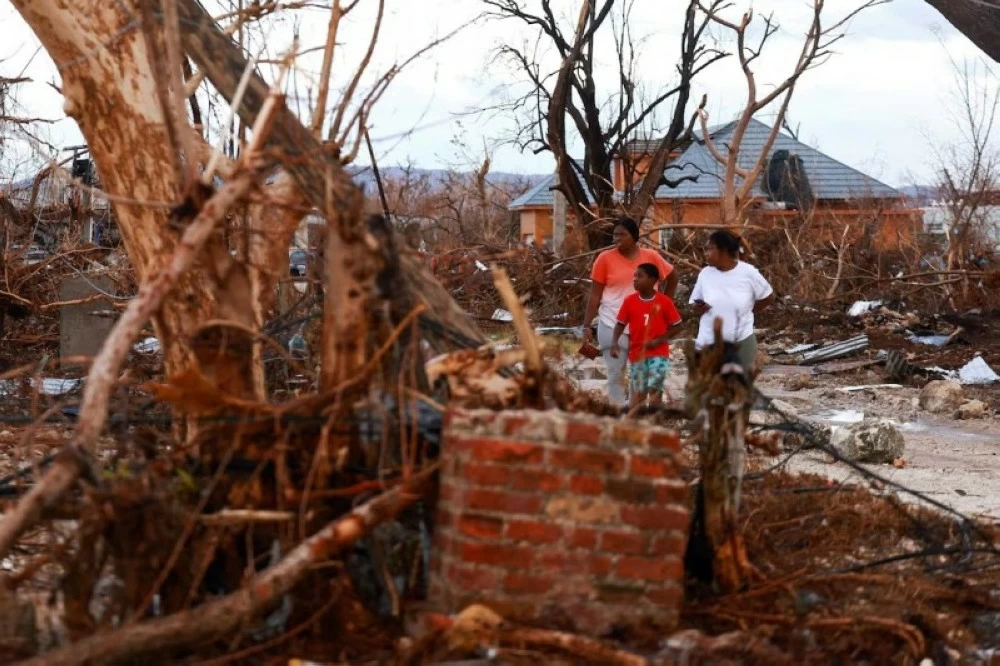
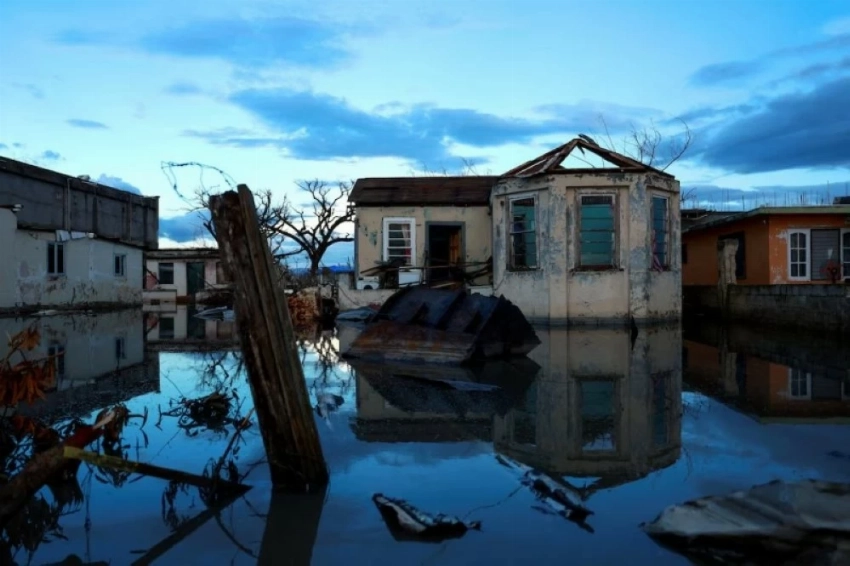
أعلنت جامايكا رسميًا تفشي مرض اللولبية البرية (Leptospirosis)، وهو عدوى بكتيرية خطيرة يُعتقد أنها تسببت في وفاة 6 أشخاص حتى الآن، وذلك بعد أقل من شهر على مرور الإعصار ميليسا من الفئة الخامسة الذي ضرب الجزيرة الكاريبية في 28 أكتوبر الماضي.
تفشي مرض اللولبية البرية
وقال وزير الصحة الجامايكي كريستوفر توفتون، إنه تم تأكيد 9 إصابات بالمرض في الفترة من 30 أكتوبر إلى 20 نوفمبر، إلى جانب 28 حالة أخرى مشتبه بها قيد الفحص.
وأوضح الوزير في مؤتمر صحفي أن الإعصار تسبب في هطول كميات هائلة من الأمطار بلغت 76 سنتيمترًا (30 بوصة) في بعض المناطق، مما أدى إلى فيضانات كارثية وانهيارات طينية، وترك وراءه مياهًا راكدة ملوثة ببول الحيوانات المصابة، خاصة القوارض، وهي البيئة المثالية لانتشار البكتيريا.
إعصار ميليسيا.
مرض اللولبية البرية.. الأعراض وكيفية الانتقال
تنتقل العدوى إلى الإنسان عند ملامسة المياه أو التربة الملوثة من خلال الجروح أو العينين أو الأنف أو الفم، وتبدأ الأعراض بحمى وصداع وآلام عضلية قد تُخلط مع الإنفلونزا العادية، لكنها قد تتطور بسرعة إلى شكل حاد يؤدي إلى فشل كلوي، تلف في الكبد، التهاب السحايا، أو نزيف داخلي شديد قد ينتهي بالوفاة.
وحذر توفتون بشدة قائلًا: «كل من يتعامل مع مياه الفيضانات معرض للخطر، سواءً كانوا مزارعين أو عمال تنظيف أو أفراد فرق الطوارئ أو أي شخص يضطر للمرور عبر المناطق الغارقة».
إعصار ميليسا
كان إعصار ميليسا قد خلّف أضرارًا تقدر بنحو 10 مليارات دولار، وأصاب قطاعي السياحة والزراعة ــ العمود الفقري للاقتصاد الجامايكي ــ بالشلل، كما تضرر أو دمر قرابة 200 ألف مبنى ومنزل.
وتواصل السلطات الصحية حملات التوعية وتوزيع المضادات الحيوية الوقائية، مع دعوات عاجلة للسكان بتجنب أي تماس مع المياه الراكدة أو ارتداء معدات واقية كاملة عند الضرورة القصوى.
Jamaica has officially announced an outbreak of Leptospirosis, a serious bacterial infection believed to have caused the deaths of 6 people so far, following less than a month after Hurricane Melissa, a Category 5 storm, struck the Caribbean island on October 28.
Leptospirosis Outbreak
Jamaican Health Minister Christopher Tufton stated that 9 cases of the disease have been confirmed from October 30 to November 20, along with 28 other suspected cases under investigation.
The minister explained in a press conference that the hurricane caused massive rainfall, reaching 76 centimeters (30 inches) in some areas, leading to catastrophic flooding and landslides, leaving behind stagnant water contaminated with the urine of infected animals, particularly rodents, creating the perfect environment for the bacteria to spread.
إعصار ميليسيا.
Leptospirosis: Symptoms and Transmission
The infection is transmitted to humans when they come into contact with contaminated water or soil through wounds, the eyes, the nose, or the mouth. Symptoms begin with fever, headache, and muscle aches that may be mistaken for regular flu, but can quickly progress to a severe form leading to kidney failure, liver damage, meningitis, or severe internal bleeding that may result in death.
Tufton strongly warned, saying: "Anyone who comes into contact with floodwaters is at risk, whether they are farmers, cleaning workers, emergency response team members, or anyone who has to pass through flooded areas."
Hurricane Melissa
Hurricane Melissa caused damages estimated at around $10 billion, crippling the tourism and agriculture sectors—the backbone of the Jamaican economy—and nearly 200,000 buildings and homes were damaged or destroyed.
Health authorities continue awareness campaigns and the distribution of preventive antibiotics, with urgent calls for residents to avoid any contact with stagnant water or to wear full protective gear when absolutely necessary.