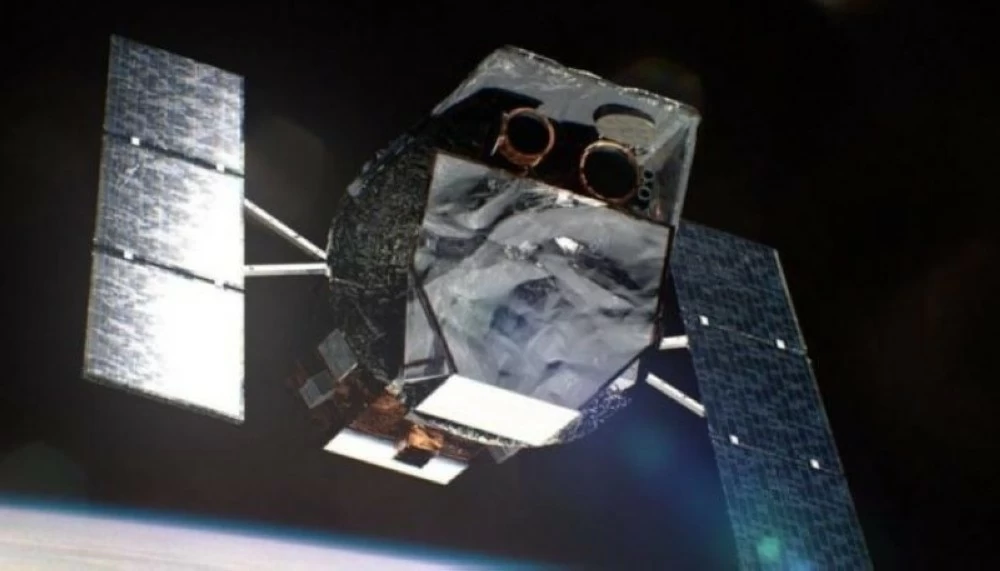
كلّفت وكالة الفضاء الأمريكية «ناسا» شركة ناشئة متخصصة في رحلات الفضاء مقرها أريزونا لتنفيذ مهمة إنقاذ جريئة لتلسكوب تابع لها في مدار الأرض يتجه نحو السقوط ببطء، مع وجود احتمال بنسبة 90% لعودة غير متحكم بها إلى الغلاف الجوي بنهاية عام 2026.
وحصلت الشركة في فلاغستاف، على منحة من «ناسا» بقيمة 30 مليون دولار لرفع مدار مرصد سويفت الفضائي أو بعثة سويفت لقياس انفجار أشعة غاما (Neil Gehrels Swift Observatory).
وتطور الشركة مركبة فضائية تدعى «لينك» مصممة للالتحام ذاتيًا مع المرصد سويفت ونقله إلى مدار أكثر استقرارًا.
وأُطلق مرصد «سويفت» عام 2004 لرصد انفجارات أشعة غاما، وهي أشد الانفجارات عنفًا في الكون المعروف، وأمضى عقدين من الزمن في المدار الأرضي المنخفض، وبدأ يفقد ارتفاعه تدريجيًا كما يحدث لكل الأقمار الصناعية، لكن النشاط الشمسي المتزايد مؤخرًا أدى إلى تسريع عملية الاضمحلال المداري بوتيرة مقلقة.
ويدور «سويفت» حول الأرض بميل 20.6 درجة لتجنب «شذوذ جنوب الأطلسي» وهي منطقة ضعف في المجال المغناطيسي للأرض تعرض الأقمار الصناعية لمستويات إشعاع أعلى، وهذا المدار الخاص يتطلب كمية هائلة من الوقود للوصول إليه من المنصات الأرضية التقليدية؛ حيث يتغلب «بيغاسوس» على هذه العقبة بتصميم الإطلاق الجوي، وبكونه مركبة مجربة فهو جاهز للإطلاق في وقت قصير.
وستقوم مركبة «لينك»، بسلسلة من المناورات الدقيقة للاقتراب من «سويفت»، ونظرًا لعدم وجود منافذ الالتقاط في المرصد، ستستخدم آلية روبوتية مخصصة للالتصاق بجزء من جسم القمر الصناعي لضبط مداره.
The American space agency "NASA" has tasked a startup specializing in space missions based in Arizona to carry out a bold rescue mission for one of its telescopes in Earth’s orbit that is slowly heading towards a fall, with a 90% chance of an uncontrolled return to the atmosphere by the end of 2026.
The company in Flagstaff received a $30 million grant from "NASA" to raise the orbit of the Swift Observatory or the Swift mission to measure gamma-ray bursts (Neil Gehrels Swift Observatory).
The company is developing a spacecraft called "Link" designed to autonomously dock with the Swift observatory and move it to a more stable orbit.
The "Swift" Observatory was launched in 2004 to monitor gamma-ray bursts, the most violent explosions in the known universe, and has spent two decades in low Earth orbit, gradually losing altitude as all satellites do. However, increased solar activity recently has accelerated the orbital decay at an alarming rate.
"Swift" orbits the Earth at an inclination of 20.6 degrees to avoid the "South Atlantic Anomaly," a region of weakness in the Earth's magnetic field that exposes satellites to higher radiation levels. This specific orbit requires a massive amount of fuel to reach from conventional ground platforms; however, "Pegasus" overcomes this obstacle with its air-launch design, and being a proven vehicle, it is ready for launch in a short time.
The "Link" vehicle will perform a series of precise maneuvers to approach "Swift," and since there are no capture ports on the observatory, it will use a specialized robotic mechanism to attach to a part of the satellite's body to adjust its orbit.