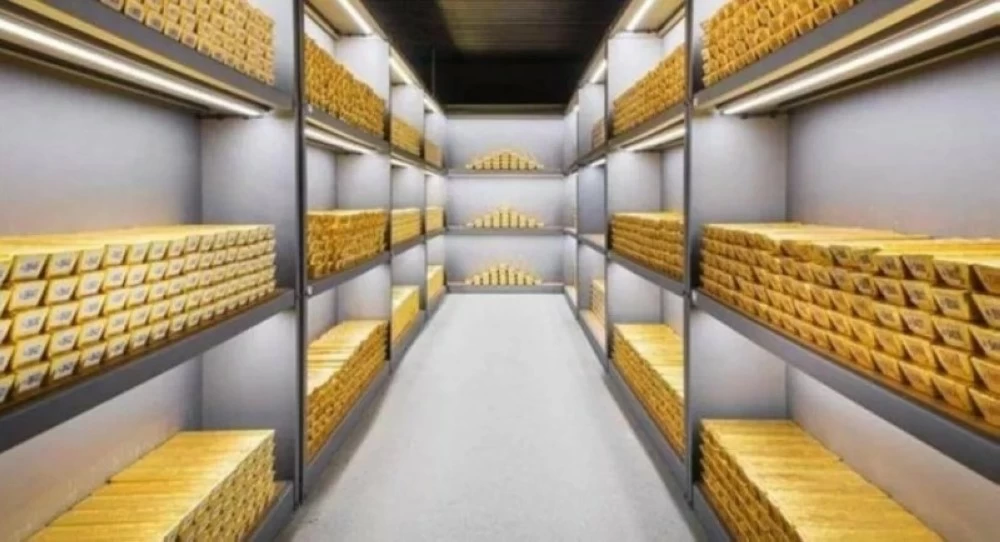
في كشف يجمع بين الخيال العلمي والأسطورة القديمة، أعلنت صحيفة «الكرونيستا» المكسيكية أضخم احتياطي ذهب يُعرف في تاريخ البشرية، يقدر بنحو 20 مليون طن، مختبئاً مذاباً في أعماق المحيطات حول العالم.
وأثار التقرير، الذي اعتمد على بيانات حديثة من وكالة «ناسا» الأمريكية، موجة من الدهشة والجدل العالمي، حيث يُقدر قيمة هذا الكنز الهائل بنحو 2.13 كوادريليون دولار أمريكي (أي 2,130 تريليون دولار)، أي ما يفوق الناتج المحلي الإجمالي للاقتصاد العالمي بأكمله مئات المرات.
ومع ذلك، يظل هذا الثراء «كنزاً ملعوناً» بسبب التحديات العلمية والتكنولوجية التي تجعله غير قابل للاستخراج حالياً، ما دفع شركات التعدين الكبرى وحكومات إلى إعادة حساباتها الاستراتيجية.
جزء أساسي من تركيبة المحيط
الكشف، الذي وصفته «الكرونيستا» بأنه «أشبه بالأساطير»، لم يأتِ من مناجم برية نائية، بل من تحليلات ناسا المتقدمة باستخدام الأقمار الصناعية والعينات البحرية، حيث يوجد الذهب مذاباً في مياه البحار بتركيز ضئيل للغاية.
وقالت الدكتورة سارة غرين، عالمة جيولوجيا بحرية في ناسا، في تصريح نقلته الصحيفة: «هذا الذهب ليس كنزاً مخفياً تحت الرمال، بل جزء أساسي من تركيبة المحيط نفسه، ناتج عن عمليات جيولوجية قديمة في قشرة الأرض، إنه يمثل 99% من الذهب المتاح على الكوكب، لكنه يتطلب تقنيات لم نطورها بعد».
وأضافت أن هذا الاحتياطي يفوق كل الذهب الذي استخرجته البشرية عبر التاريخ، الذي لم يتجاوز 200 ألف طن، ويتركز بشكل أكبر في الرواسب الحرارية الساخنة قرب السلاسل الجبلية البحرية.
تحركات لاستخراج ذهب المحيطات
ومع انتشار التقرير عبر وسائل الإعلام العالمية، ارتفعت أسعار الذهب بنسبة 2.5% في الأسواق الأوروبية صباح اليوم، بينما أعلنت شركة «ريو تينتو» الأسترالية تخصيص 300 مليون دولار لأبحاث الاستخراج البحري، ودعت الصين – أكبر منتج للذهب – إلى عقد قمة دولية لتنظيم «التعدين المستدام في المحيطات».
وفي المكسيك، أثارت الصحيفة نقاشاً حاداً حول إمكانية الاستفادة من هذا الكنز لدعم الاقتصادات الناشئة، لكن الخبراء يحذرون من المخاطر البيئية الكارثية، مثل تلوث المحيطات أو اضطراب التوازن البيئي، إذا تم الاستخراج على نطاق واسع.
كنز أسطوري يصعب استخراجه
ويعود اكتشاف الذهب في مياه البحار إلى عام 1872، عندما أثبته الكيميائي البريطاني إدوارد سونستاد، لكنه أصبح «كنزاً أسطورياً» في القرن العشرين مع تقديرات الإدارة الوطنية للمحيطات الأمريكية وناسا في السبعينات، التي حددت الكمية بنحو 20 مليون طن، ناتجة عن ثورانات بركانية تحت الماء وتآكل الصخور الغنية بالمعادن.
وتاريخياً، شهدت محاولات سابقة فشلاً ذريعاً، مثل تلك التي قادها الواعظ الأمريكي فورد جيرنيغان في أواخر القرن التاسع عشر، الذي جمع مليون دولار من المستثمرين قبل أن يختفي مع الأموال، ما جعل «ذهب البحار» رمزاً للاحتيال.
In a revelation that combines science fiction with ancient mythology, the Mexican newspaper "La Cronista" announced the largest gold reserve known in human history, estimated at around 20 million tons, hidden dissolved in the depths of the oceans around the world.
The report, which relied on recent data from the American space agency "NASA," sparked a wave of astonishment and global debate, as the value of this immense treasure is estimated at about 2.13 quadrillion US dollars (i.e., 2,130 trillion dollars), which exceeds the gross domestic product of the entire global economy by hundreds of times.
However, this wealth remains a "cursed treasure" due to the scientific and technological challenges that currently make it impossible to extract, prompting major mining companies and governments to reassess their strategic calculations.
An Essential Part of Ocean Composition
The revelation, which "La Cronista" described as "myth-like," did not come from remote land mines, but from NASA's advanced analyses using satellites and marine samples, where gold exists dissolved in seawater at an extremely low concentration.
Dr. Sarah Green, a marine geologist at NASA, stated in a comment reported by the newspaper: "This gold is not a hidden treasure beneath the sands, but an essential part of the ocean's composition itself, resulting from ancient geological processes in the Earth's crust. It represents 99% of the gold available on the planet, but it requires technologies we have not yet developed."
She added that this reserve exceeds all the gold that humanity has extracted throughout history, which has not surpassed 200,000 tons, and is more concentrated in hydrothermal deposits near mid-ocean ridges.
Moves to Extract Ocean Gold
As the report spread through global media, gold prices rose by 2.5% in European markets this morning, while the Australian company "Rio Tinto" announced the allocation of 300 million dollars for marine extraction research, and China – the largest gold producer – called for an international summit to organize "sustainable mining in the oceans."
In Mexico, the newspaper sparked a heated debate about the possibility of utilizing this treasure to support emerging economies, but experts warn of catastrophic environmental risks, such as ocean pollution or disruption of ecological balance, if extraction is conducted on a large scale.
A Legendary Treasure Difficult to Extract
The discovery of gold in seawater dates back to 1872, when it was proven by British chemist Edward Sonstad, but it became a "legendary treasure" in the twentieth century with estimates from the National Oceanic and Atmospheric Administration and NASA in the 1970s, which identified the quantity as about 20 million tons, resulting from underwater volcanic eruptions and the erosion of mineral-rich rocks.
Historically, previous attempts have met with dismal failure, such as those led by American preacher Ford Jernigan in the late nineteenth century, who raised a million dollars from investors before disappearing with the funds, making "sea gold" a symbol of fraud.