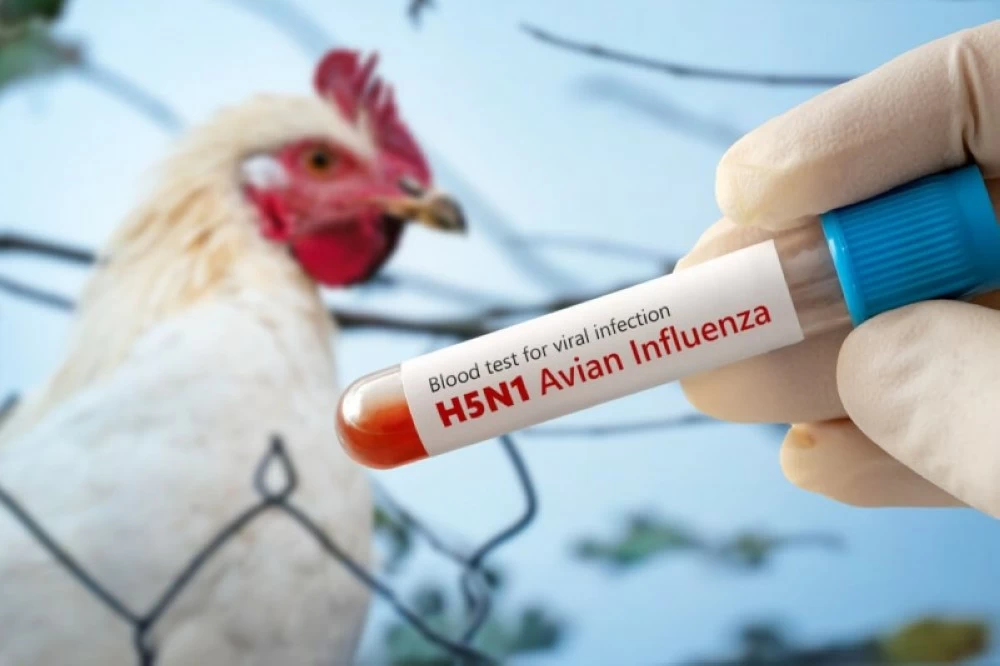
في تطور يثير القلق الصحي العالمي، أعلنت وزارة الصحة في ولاية واشنطن الأمريكية، يوم الجمعة، عن تسجيل أول حالة إصابة بشرية مسجلة على الإطلاق بسلالة H5N5 من فايروس إنفلونزا الطيور، وهي سلالة كانت معروفة سابقاً فقط لدى الحيوانات، خصوصاً الطيور البرية مثل البط والإوز.
ووفقاً للسلطات الصحية الأمريكية فإن الضحية، وهو رجل مسن يعيش في مقاطعة غرايز هاربر غرب واشنطن، أُدخل المستشفى في أوائل نوفمبر بحالة مرضية شديدة، مصاباً بحمى مرتفعة، ارتباك ذهني، وصعوبات تنفسية حادة، وفقاً لتقارير السلطات الصحية.
وأوضحت التقارير أن الرجل يمتلك قطيعاً منزلياً مختلطاً من الدواجن المنزلية التي تعرضت للطيور البرية، مما يجعل هذه الطيور المصدر الأكثر احتمالاً للعدوى، حيث أكدت الاختبارات المخبرية التي أجرتها وزارة الصحة الولائية بالتعاون مع مراكز السيطرة على الأمراض والوقاية الإصابة بـH5N5، وهي السلالة الأولى من نوعها تُكتشف لدى البشر في الولايات المتحدة.
حالة نادرة مقلقة
ورغم شدة الحالة، أكدت السلطات أن خطر الانتشار إلى الجمهور العام منخفض جداً، ولم يتم تسجيل أي حالات أخرى مرتبطة حتى الآن، ومع ذلك، يبقى الرجل في المستشفى تحت الرعاية المكثفة، مع تحقيق مستمر لتحديد الطريقة الدقيقة للانتقال.
وقال عالم الأوبئة في الولاية الدكتور سكوت ليندكويست: «هذه حالة نادرة، لكنها تذكير بأهمية الحذر من التعامل مع الطيور المريضة» مشدداً على أن الفايروس لا ينتقل بين البشر حالياً.
وإنفلونزا الطيور، أو الإنفلونزا الطيورية، هي مجموعة من الفايروسات التي تصيب الطيور بشكل أساسي، لكنها يمكن أن تنتقل إلى الحيوانات الأخرى والإنسان في حالات نادرة عبر الاتصال المباشر بالإفرازات أو البراز المصاب.
وتصنف السلالة H5N5، التي اكتشفت سابقاً في الطيور البرية في الولايات المتحدة وكندا، كـ«منخفضة العدوى» لدى الطيور، لكن انتقالها إلى البشر يُعد خطوة مقلقة، إذ يمكن أن تؤدي إلى طفرات تُسهل الانتشار البشري.
تزايد انتشار إنفلونزا الطيور
وفي السنوات الأخيرة، شهدت الولايات المتحدة انتشاراً واسعاً لإنفلونزا الطيور H5N1 منذ 2022، مما أدى إلى إبادة ملايين الطيور التجارية وإصابة أكثر من 70 شخصاً بشرياً حتى 2025، معظمها حالات خفيفة لدى العاملين في المزارع.
وللحد من المخاطر، نصحت السلطات العاملين مع الطيور أو الحيوانات بارتداء معدات وقاية شخصية مثل القفازات والأقنعة، وتجنب الاتصال بالطيور الميتة أو المريضة، وإبلاغ السلطات الفيدرية فوراً.
كما شددت على أهمية لقاح الإنفلونزا الموسمي، الذي لا يحمي من الإنفلونزا الطيورية مباشرة، لكنه يقلل من خطر الإصابة المزدوجة التي قد تؤدي إلى طفرات خطيرة.
In a development that raises global health concerns, the Washington State Department of Health announced on Friday the first-ever recorded human case of the H5N5 strain of the avian influenza virus, a strain that was previously only known to affect animals, particularly wild birds such as ducks and geese.
According to U.S. health authorities, the victim, an elderly man living in Grays Harbor County in western Washington, was hospitalized in early November with a severe illness, suffering from a high fever, mental confusion, and acute respiratory difficulties, according to reports from health authorities.
Reports indicated that the man owned a mixed flock of domestic poultry that had been exposed to wild birds, making these birds the most likely source of infection, as laboratory tests conducted by the state health department in collaboration with the Centers for Disease Control and Prevention confirmed the presence of H5N5, marking the first strain of its kind discovered in humans in the United States.
Concerning Rare Case
Despite the severity of the case, authorities confirmed that the risk of transmission to the general public is very low, and no other related cases have been reported so far. Nevertheless, the man remains hospitalized under intensive care, with an ongoing investigation to determine the exact mode of transmission.
State epidemiologist Dr. Scott Lindquist stated, "This is a rare case, but it serves as a reminder of the importance of being cautious when handling sick birds," emphasizing that the virus is not currently transmitted between humans.
Avian influenza, or bird flu, is a group of viruses that primarily infect birds, but can occasionally be transmitted to other animals and humans in rare cases through direct contact with infected secretions or feces.
The H5N5 strain, previously detected in wild birds in the United States and Canada, is classified as "low pathogenic" in birds, but its transmission to humans is a concerning step, as it could lead to mutations that facilitate human spread.
Increasing Spread of Avian Influenza
In recent years, the United States has witnessed a widespread outbreak of H5N1 avian influenza since 2022, resulting in the culling of millions of commercial birds and infecting over 70 humans by 2025, most of whom experienced mild cases among farm workers.
To mitigate risks, authorities advised those working with birds or animals to wear personal protective equipment such as gloves and masks, avoid contact with dead or sick birds, and report to federal authorities immediately.
They also emphasized the importance of the seasonal flu vaccine, which does not directly protect against avian influenza but reduces the risk of co-infection that could lead to serious mutations.