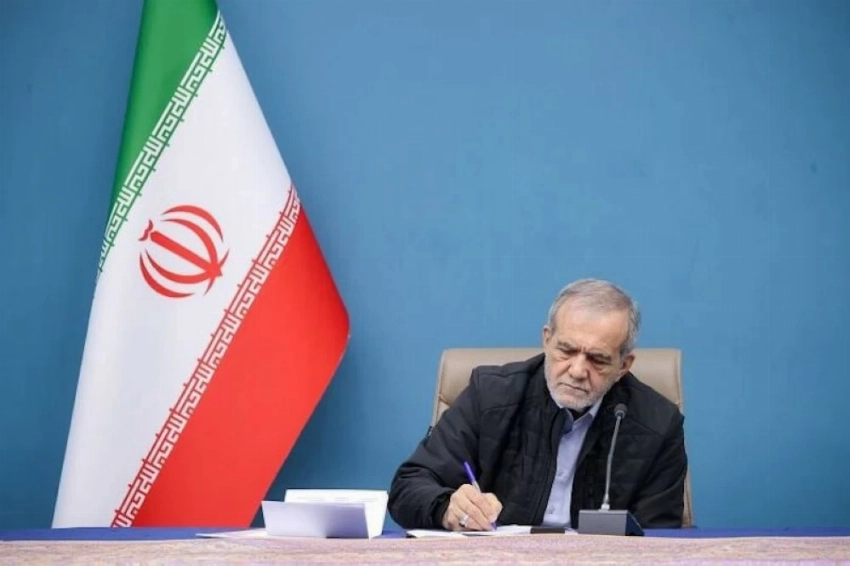
في تعليق سريع على تحذير الرئيس مسعود بزشكيان بإمكانية إخلاء العاصمة طهران إذا استمر الجفاف، أكدت المتحدثة باسم الحكومة الإيرانية، فاطمة مهاجراني، اليوم الثلاثاء، أن مثل هذا الإجراء «غير ممكن وغير قابل للتنفيذ» عمليًا، مشددة على أن الحكومة تمتلك «خططًا جادة» لمواجهة الأزمة المائية التي تضرب البلاد.
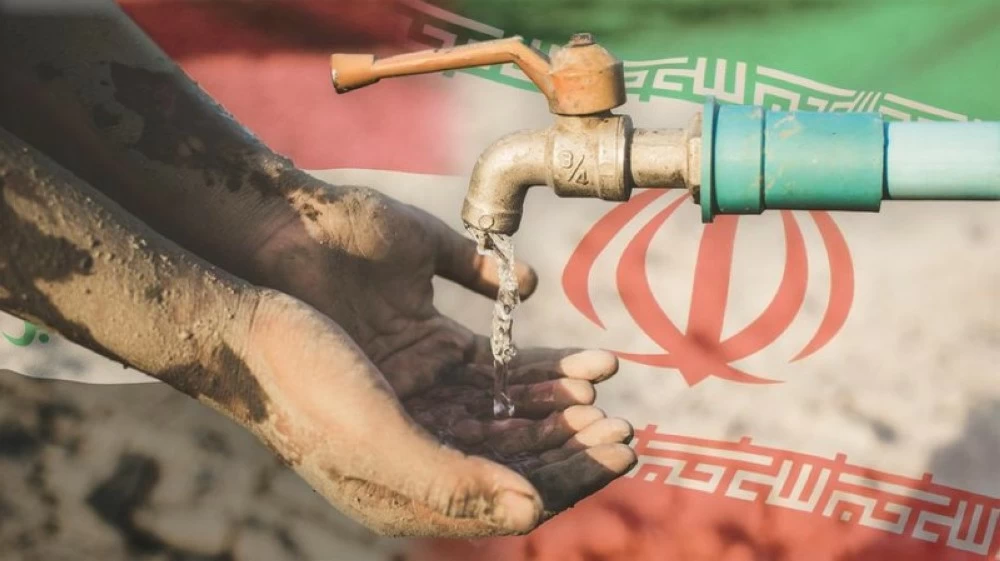
ويأتي هذا التبرير وسط تصاعد القلق العام في طهران، حيث يعاني أكثر من 10 ملايين نسمة من انقطاعات متكررة في إمدادات المياه، وانخفاض مستويات السدود إلى أقل من 5% من سعة الاحتياطي.
وقالت مهاجراني في تصريح نقلته وكالة الأنباء الإيرانية «إرنا» إن «البلاد تواجه شحًا في المياه، والحكومة لديها خطط جادة على أجندتها في مواجهة الأزمة»، مشيرة إلى أن الجهود تشمل تفعيل عمليات «زراعة السحب» لإحداث هطول أمطار، وفرض قيود على الاستهلاك، ونقل مياه من مصادر أخرى، مع التأكيد على أن الإخلاء «ليس خيارًا واقعيًا» نظرًا للكثافة السكانية الهائلة والتحديات اللوجستية.
ويُعد هذا التعليق أول رد رسمي مباشر من الحكومة على تصريحات الرئيس بزشكيان، الذي حذر في الـ7 من نوفمبر من أن «إذا لم تمطر بحلول ديسمبر، سنضطر إلى إخلاء طهران»، مما أثار موجة من الذعر والجدل على وسائل التواصل الاجتماعي.
ازمة مياه طاحنة في إيران
وتواجه إيران أسوأ أزمة مائية في عقود، ناتجة عن مزيج من التغير المناخي، الجفاف المستمر منذ ست سنوات متتالية، والإدارة غير الفعالة للموارد، حيث شهدت طهران هذا العام أقل هطول أمطار في قرن من الزمان، مع تسجيل 2.3 ملم فقط حتى أوائل نوفمبر، بانخفاض يصل إلى 81% عن المتوسط التاريخي، وفقًا لمنظمة الأرصاد الجوية الإيرانية.
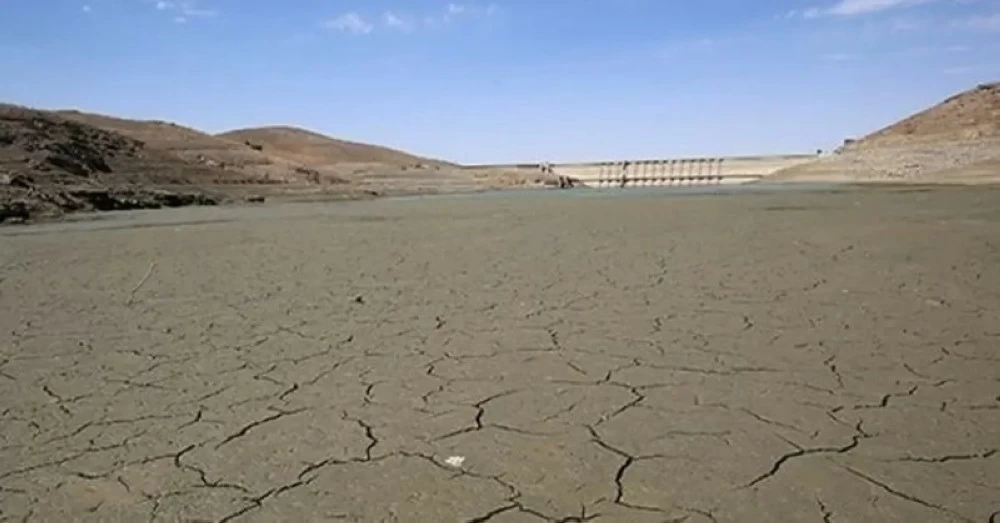
وأدى ذلك إلى جفاف أنهار رئيسية مثل نهر كان، وانخفاض مستويات خمسة سدود رئيسية تغذي العاصمة (مثل سد لاتيان وسد أمير كبير) إلى أقل من 14 مليون متر مكعب، مقارنة بسعة تصل إلى 500 مليون متر مكعب سابقًا.
أسباب أزمة المياه في إيران
ويُعزى الوضع إلى عوامل متعددة: الزراعة غير الفعالة التي تستهلك 90% من المياه في محاولة لتحقيق الاكتفاء الذاتي، بناء سدود عملاقة غير مدروسة، حفر آبار غير قانونية، واستنزاف المياه الجوفية الذي يسبب هبوط الأرض بمعدل 300 ملم سنويًا في طهران – وهو 60 ضعفًا للحد الحرج.
كما ساهمت الحرب الإسرائيلية الإيرانية في الصيف الماضي (التي استمرت 12 يومًا) في إلحاق أضرار ببنى تحتية مائية، إضافة إلى ارتفاع درجات الحرارة التي تجاوزت 50 درجة مئوية، مما أدى إلى انقطاعات كهرباء وإجازات رسمية.
محاولات إيرانية للتغلب على الأزمة
وفي محاولة للتخفيف، بدأت الحكومة في 16 نوفمبر عمليات زراعة السحب باستخدام يوديد الفضة، لكن الخبراء يشككون في فعاليتها بسبب نقص الرطوبة في السحب.
وتمتد الأزمة إلى باقي إيران، إذ انخفضت مستويات السدود في محافظات مثل أذربيجان الغربية والشرقية إلى أرقام أحادية، وأدى الجفاف إلى تكلفة اقتصادية هائلة، مع مخاوف من تأثيرها على الاستقرار السياسي في ظل العقوبات الغربية.
In a quick comment on President Masoud Bezhaskian's warning about the possibility of evacuating the capital Tehran if the drought continues, Iranian government spokesperson Fatemeh Mohajerani confirmed today, Tuesday, that such a measure is "impossible and impractical," stressing that the government has "serious plans" to address the water crisis affecting the country.
This justification comes amid rising public concern in Tehran, where more than 10 million people suffer from repeated water supply interruptions, and the levels of dams have dropped to less than 5% of their reserve capacity.
Mohajerani stated in a remark reported by the Iranian news agency "IRNA" that "the country is facing a water shortage, and the government has serious plans on its agenda to tackle the crisis," noting that efforts include activating "cloud seeding" operations to induce rainfall, imposing consumption restrictions, and transferring water from other sources, while emphasizing that evacuation is "not a realistic option" given the massive population density and logistical challenges.
This comment marks the first direct official response from the government to President Bezhaskian's statements, who warned on November 7 that "if it does not rain by December, we will have to evacuate Tehran," which sparked a wave of panic and controversy on social media.
Severe Water Crisis in Iran
Iran is facing its worst water crisis in decades, resulting from a combination of climate change, a six-year continuous drought, and ineffective resource management, as Tehran has experienced the lowest rainfall this year in a century, with only 2.3 mm recorded by early November, a decrease of up to 81% from the historical average, according to the Iranian Meteorological Organization.
This has led to the drying up of major rivers such as the Kan River, and the levels of five major dams supplying the capital (such as the Latian Dam and the Amir Kabir Dam) have dropped to less than 14 million cubic meters, compared to a previous capacity of up to 500 million cubic meters.
Causes of the Water Crisis in Iran
The situation is attributed to multiple factors: inefficient agriculture that consumes 90% of water in an attempt to achieve self-sufficiency, the construction of poorly studied giant dams, illegal well drilling, and the depletion of groundwater causing land subsidence at a rate of 300 mm annually in Tehran – which is 60 times the critical limit.
The Israeli-Iranian war last summer (which lasted 12 days) also contributed to damage to water infrastructure, in addition to rising temperatures exceeding 50 degrees Celsius, leading to power outages and official holidays.
Iranian Attempts to Overcome the Crisis
In an attempt to alleviate the situation, the government began cloud seeding operations using silver iodide on November 16, but experts are skeptical about its effectiveness due to the lack of moisture in the clouds.
The crisis extends to the rest of Iran, as dam levels in provinces such as West and East Azerbaijan have dropped to single digits, and the drought has resulted in enormous economic costs, with concerns about its impact on political stability amid Western sanctions.