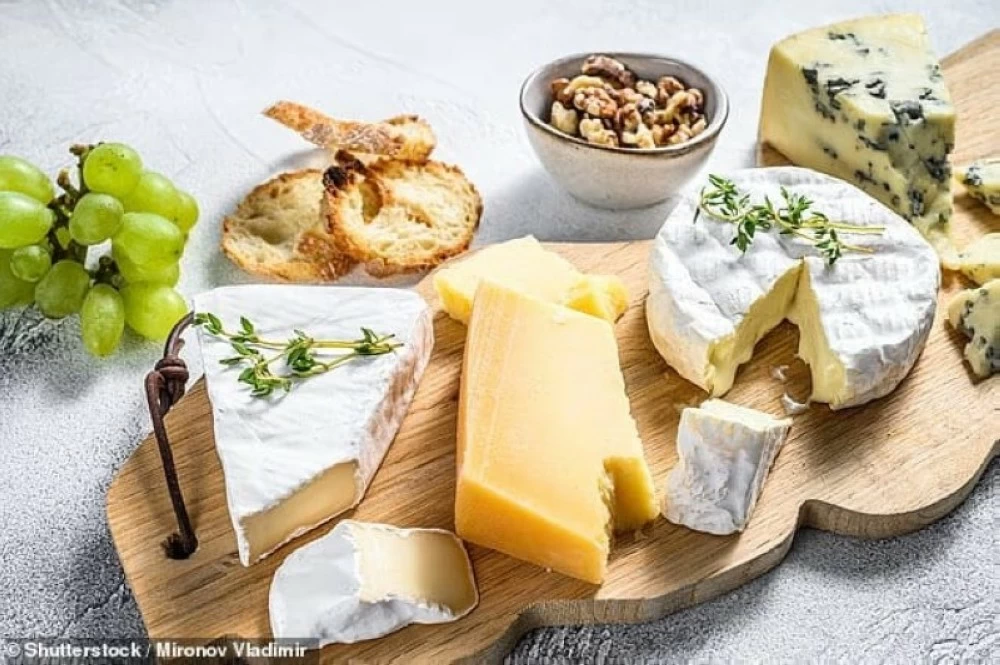
لعقود طويلة، صُنّف الجبن ضمن الأطعمة «الممنوعة» أو «المسموح بها بكميات ضئيلة جداً» بسبب احتوائه على دهون مشبعة مرتفعة تُتهم برفع الكوليسترول الضار وزيادة مخاطر أمراض القلب والسكري من النوع الثاني والسمنة، لكن دراسات حديثة وآراء خبراء تغذية مرموقين تقلب هذه الصورة رأساً على عقب، وتؤكد أن الجبن – خاصة الكامل الدسم – قد يكون من أكثر الأغذية فائدة إذا تم تناوله بوعي وبكميات معقولة.
الجبن مصدر ممتاز للبروتين
الخبير البريطاني المعروف روب هوبسون، أخصائي تغذية مسجل ومؤلف كتاب «أعد حياتك بدون معالجة»، يقول لموقع «mail online»: «الجبن مصدر ممتاز للبروتين عالي الجودة، الكالسيوم، الفوسفور، فيتامين B12 وفيتامين A، هذه العناصر مجتمعة تدعم صحة العظام، إصلاح العضلات، واستقلاب الطاقة، كما أن بعض الأجبان التقليدية تحتوي على بكتيريا نافعة تعزز صحة الأمعاء».
وأضاف: «فلماذا لم نرَ ارتفاعاً ملحوظاً في أمراض القلب بين الشعوب التي تستهلك الجبن بكثرة مثل الفرنسيين واليونانيين والسويسريين؟»، الإجابة تكمن في ما يُسمى «تأثير مصفوفة الألبان» تركيبة الجبن الفريدة من دهون الحليب والكالسيوم والبروتين والبكتيريا النافعة تغيّر طريقة امتصاص الجسم للدهون المشبعة، فلا ترفع الكوليسترول الضار بنفس القدر الذي كنا نعتقد، بل قد ترفع الكوليسترول الجيد (HDL) وتقلل الالتهابات.
كميات معتدلة من الألبان تحمي قلبك
في سياق متصل، دراسة نُشرت في مجلة Advances in Nutrition لم تجد أي علاقة سلبية واضحة بين تناول الجبن وأمراض القلب، بل أشارت إلى تأثير محايد أو حتى وقائي طفيف.
وأظهرت أبحاث أخرى أن تناول كميات معتدلة من منتجات الألبان كاملة الدسم ارتبط بانخفاض مخاطر أمراض القلب والأوعية الدموية.
كمية آمنة ومفيدة؟
الكمية الموصى بها هي 30 غراماً يومياً (حجم علبة كبريت صغيرة تقريباً)، وهي تحتوي على ثلث احتياج البالغ اليومي من الكالسيوم، مع سعرات لا تتجاوز 120 - 130 سعرة في أغلب الأنواع.
أفضل الأنواع صحيًا
بحسب الخبير روب هوبسون فإن أفضل الأنواع صحياً، ما يلي:
1 - الشيدر الناضج (Mature Cheddar)
غني جداً بالكالسيوم والبروتين، قليل اللاكتوز (مناسب لمعظم من لديهم حساسية خفيفة), نكهته القوية تجعلك تستخدم كمية أقل
2 - البري والكاممبير
يحتويان على حمض أميني (جلايسين) يحسن النوم عند النساء في سن اليأس، الكاممبير مرتبط بتحسين الذاكرة والوظائف الإدراكية.
3 - الفيتا والحلومي
بروتين عالٍ، سعرات أقل من الأجبان الصلبة، الفيتا من حليب الغنم أو الماعز تعادل فيتامينات ومعادن أكثر، لكن ملح مرتفع، فاحرص على الكمية
4 - الأجبان الزرقاء (مثل الروكفور والستيلتون)
تحتوي على بكتيريا نافعة وبعض المركبات المضادة للالتهاب، قد تساعد في تفسير «التناقض الفرنسي»، لكنها أعلى في الدهون المشبعة والملح.
5 - البيبي بيل وأعواد الجبن
خلافاً للاعتقاد السائد، ليست من الأغذية فائقة المعالجة، مقسمة جاهزة، غنية بالكالسيوم والبروتين، أقل ملوحة من كثير من الأجبان، خيار جيد للأطفال والكبار كوجبة خفيفة صحية نسبياً.
For long decades, cheese has been classified as a "forbidden" food or "allowed in very small quantities" due to its high saturated fat content, which is accused of raising harmful cholesterol levels and increasing the risks of heart disease, type 2 diabetes, and obesity. However, recent studies and opinions from reputable nutrition experts are turning this image upside down, confirming that cheese – especially full-fat cheese – can be one of the most beneficial foods if consumed mindfully and in reasonable amounts.
Cheese is an Excellent Source of Protein
The well-known British expert Rob Hobson, a registered nutritionist and author of the book "Reclaim Your Life from Processed Foods," tells Mail Online: "Cheese is an excellent source of high-quality protein, calcium, phosphorus, vitamin B12, and vitamin A. These elements collectively support bone health, muscle repair, and energy metabolism. Additionally, some traditional cheeses contain beneficial bacteria that enhance gut health."
He added: "So why haven’t we seen a noticeable increase in heart disease among populations that consume cheese abundantly, such as the French, Greeks, and Swiss?" The answer lies in what is called the "dairy matrix effect." The unique composition of cheese, with its milk fats, calcium, protein, and beneficial bacteria, alters the way the body absorbs saturated fats, so it does not raise harmful cholesterol to the extent we once believed; rather, it may raise good cholesterol (HDL) and reduce inflammation.
Moderate Dairy Intake Protects Your Heart
In a related context, a study published in the journal Advances in Nutrition found no clear negative relationship between cheese consumption and heart disease; instead, it indicated a neutral or even slightly protective effect.
Other research has shown that consuming moderate amounts of full-fat dairy products is associated with a lower risk of cardiovascular disease.
What is a Safe and Beneficial Amount?
The recommended amount is 30 grams per day (approximately the size of a small matchbox), which contains one-third of the daily calcium requirement for adults, with calories not exceeding 120 - 130 in most types.
The Healthiest Types
According to expert Rob Hobson, the healthiest types are as follows:
1 - Mature Cheddar
Very rich in calcium and protein, low in lactose (suitable for most with mild intolerance), its strong flavor allows you to use less.
2 - Brie and Camembert
Contain an amino acid (glycine) that improves sleep in menopausal women; Camembert is linked to improved memory and cognitive functions.
3 - Feta and Halloumi
High in protein, lower in calories than hard cheeses; feta made from sheep or goat milk provides more vitamins and minerals, but is high in salt, so be mindful of the quantity.
4 - Blue Cheeses (like Roquefort and Stilton)
Contain beneficial bacteria and some anti-inflammatory compounds, which may help explain the "French paradox," but they are higher in saturated fat and salt.
5 - Babybel and Cheese Sticks
Contrary to popular belief, they are not ultra-processed foods; they are pre-portioned, rich in calcium and protein, and less salty than many cheeses, making them a good option for both children and adults as a relatively healthy snack.