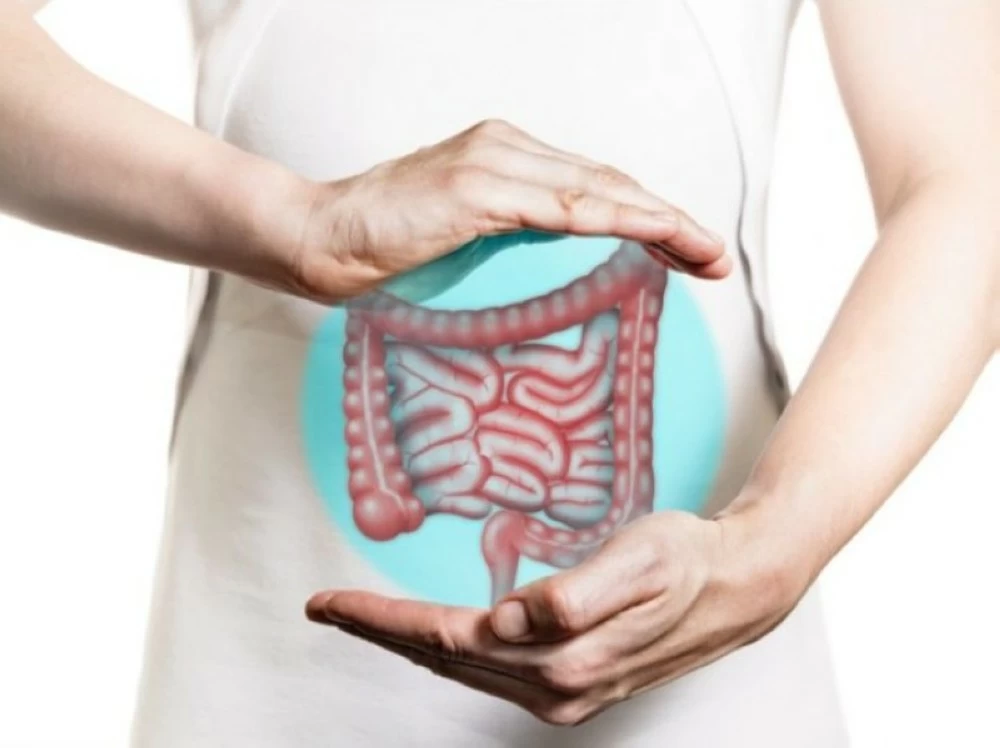
تدق دراسة عالمية حديثة ناقوس الخطر بشأن تأثير الأطعمة فائقة المعالجة على صحة الأمعاء، ودورها المحتمل في زيادة خطر الإصابة بسرطان القولون، خصوصاً لدى النساء الشابات، في ظل ارتفاع ملحوظ لحالات هذا السرطان بين الفئات العمرية الصغيرة مقارنة ببقية أنواع السرطان.
وكشفت الدراسة أن النساء تحت سن الـ50 اللواتي يتناولن الأطعمة فائقة المعالجة بانتظام يواجهن خطراً أعلى بنسبة 45% لتطور سلائل في الأمعاء الغليظة أو المستقيم، وهي نموات غير سرطانية في البداية لكنها قد تتحول مع الوقت إلى أورام خبيثة، ما يربط بين نمط الغذاء الصناعي وبين التغيرات المبكرة في بطانة الأمعاء.
دراسة طويلة الأمد
الدراسة أُجريت ضمن مبادرة «تحديات السرطان الكبرى» الممولة من منظمة أبحاث السرطان البريطانية ومعهد السرطان الوطني الأمريكي، واعتمدت على تحليل نتائج منظار القولون لأكثر من 29,100 امرأة ضمن دراسة «صحة الممرضات» في الولايات المتحدة، وهي دراسة طويلة الأمد بدأت منذ عام 1989، وشملت ممرضات تراوح أعمارهن بين 25 و42 عاماً.
وجمع الباحثون بيانات نمط الحياة والتاريخ الطبي كل عامين، إلى جانب استبيانات غذائية مفصلة كل أربع سنوات تضمنت أكثر من 130 نوعاً من الأطعمة، صُنّفت وفق نظام «نوفا» الذي يقسم الغذاء إلى أطعمة غير معالجة، ومكونات معالجة، وأطعمة معالجة، وأطعمة فائقة المعالجة. واستُبعدت المشاركات اللواتي لديهن تاريخ سابق لالتهاب الأمعاء أو سلائل أو سرطان قبل إجراء المنظار، لضمان التركيز على الحالات الجديدة.
نظام غذائي صناعي وخطر أورام مبكرة
أظهرت النتائج أن النساء اللواتي شكّلت الأطعمة فائقة المعالجة نسبة تقارب 35% من سعراتهن اليومية، أي نحو 5.7 حصة في اليوم، كن أكثر عرضة لتطور أورام مبكرة وآفات مسننة في القولون والمستقيم، وهما المساران الرئيسيان المؤديان إلى سرطان القولون والمستقيم. وشملت هذه الأطعمة بشكل خاص الخبز المصنع، ووجبات الإفطار الجاهزة، والصلصات، والمشروبات المحلاة صناعياً، وهي منتجات غالباً ما تكون غنية بالمستحلبات والمواد المضافة وفقيرة بالألياف.
وقاد الدراسة خبير علم الأوبئة السريرية في مستشفى ماساتشوستس العام بالولايات المتحدة الدكتور أندرو تشان، الذي أوضح أن الزيادة الملحوظة في حالات سرطان القولون لدى البالغين الأصغر سناً ما زالت غير مفهومة بالكامل، لكن البحث يشير إلى أن النظام الغذائي، وقلة النشاط البدني، واضطراب الميكروبيوم المعوي قد تعمل معاً في تشكيل بيئة تسهم في تسريع هذه الإصابة.
المشروبات المحلاة صناعياً في دائرة الاتهام
وخلال 24 عاماً من المتابعة، سُجلت 1,189 حالة أورام مبكرة و1,598 آفة مسننة بين المشاركات. وأظهرت التحليلات أن المشروبات المحلاة صناعياً كانت العامل الأبرز المرتبط بزيادة خطر الأورام المبكرة، وإن لم ترتبط بشكل واضح بالآفات المسننة، ما يلفت الانتباه إلى تأثير خاص لهذه الفئة من المشروبات في التغيرات التي تسبق السرطان.
كما بيّنت الدراسة أن النساء الأكثر استهلاكاً للأطعمة فائقة المعالجة كن في الغالب أكثر عرضة للسمنة، وأكثر ميلاً للتدخين، ومعرضات للإصابة بالسكري من النوع الثاني، إضافة إلى أن نشاطهن البدني أقل، واستخدامهن للمكملات الغذائية أقل، في حين أن استخدام مسكنات مضادة للالتهاب مثل الأسبرين كان أعلى، وهي عوامل مجتمعة تزيد من عبء المخاطر الصحية العامة.
تأثير تراكمي على الحاجز المعوي والميكروبيوم
وخلص الباحثون إلى أن التعرض المتزامن لعدة مواد مضافة في الأطعمة قد يسبب تأثيراً تراكميًا ينعكس سلباً على صحة الأمعاء، عبر إضعاف الحاجز المعوي وتغيير تركيبة الميكروبيوم الذي يعيش في الأمعاء، ما قد يؤدي إلى التهابات مزمنة وتغيرات في الخلايا المبطنة للأمعاء تمهّد لظهور السلائل والآفات المسننة. وأكدوا أن تحسين جودة النظام الغذائي يمثل إستراتيجية أساسية لتقليل عبء سرطان القولون المبكر المتزايد.
وفي تعليق على نتائج الدراسة، قال رئيس اللجنة العلمية لمبادرة «تحديات السرطان الكبرى» البروفيسور تشارلز سوانتون، إن هذه النتائج تسلط الضوء على كيفية ارتباط النظام الغذائي بعوامل أخرى تؤثر في صحة الأمعاء والتغيرات المرتبطة بخطر السرطان، مشيراً إلى أن السببية لم تُحسم بعد بشكل كامل، لكن الجمع بين الدراسات السكانية واسعة النطاق والأبحاث المخبرية المتقدمة يساعد في بناء صورة أوضح للعوامل المساهمة وكيفية الحد منها لدى الأجيال القادمة.
ارتفاع مقلق لسرطان القولون بين الشباب
ويُعد سرطان القولون واحداً من أكثر السرطانات شيوعاً عالمياً، إذ يحتل المرتبة الرابعة في بريطانيا من حيث الانتشار مع تسجيل نحو 44 ألف حالة سنوياً، إلى جانب 142 ألف حالة تقريباً في الولايات المتحدة. كما ارتفعت الإصابات بين من تراوح أعمارهم بين 25 و49 عاماً في إنجلترا بأكثر من 50% منذ أوائل التسعينات، وسط توقعات بأن يصبح سرطان القولون الأكثر شيوعاً بين من هم دون الـ50 في الولايات المتحدة بحلول 2030، ما يعكس خطورة التغيرات الحديثة في نمط الحياة والغذاء.
وتشمل الأعراض التي تستدعي الانتباه والمراجعة الطبية المبكرة تغيرات مستمرة في عادات الإخراج، وإسهالاً أو إمساكاً لا يزول، ووجود دم في البراز، وألماً أو انتفاخاً متكرراً في البطن، إلى جانب فقدان وزن غير مبرر أو شعور دائم بالإرهاق. ويشدد الأطباء على أهمية عدم تجاهل هذه العلامات، خصوصاً لدى الفئات الأصغر سناً.
أكثر من نصف الحالات قابلة للوقاية
وتقدّر منظمة أبحاث السرطان البريطانية أن أكثر من نصف حالات سرطان القولون، بما يقارب 54%، يمكن الوقاية منها عبر تعديل عوامل الخطر، وعلى رأسها تحسين نوعية الغذاء وتقليل الاعتماد على الأطعمة فائقة المعالجة، وزيادة استهلاك الأطعمة الكاملة الغنية بالألياف، والحفاظ على وزن صحي، وممارسة النشاط البدني بانتظام، والامتناع عن التدخين. كما تدعو المنظمة إلى تغييرات واسعة في السياسات الغذائية، وأساليب التسويق، وهيكل الأسعار، بما يسهل وصول الناس إلى غذاء صحي ومتوازن بدلاً من الخيارات الأرخص والأكثر معالجة.
وتؤكد رئيسة قسم المعلومات الصحية في المنظمة فيونا أوسغون، أن هذه الدراسة لا تقيس خطر السرطان بشكل مباشر لكنها تقدم رؤية مهمة حول كيفية تأثير النظام الغذائي في التغيرات المعوية المبكرة التي تسبق الإصابة، مشيرة إلى أن أنماط الغذاء ليست مجرد اختيارات فردية بل تتشكل إلى حد كبير وفق البيئة المحيطة، ما يجعل التدخلات على مستوى السياسات أمراً ضرورياً لجعل الغذاء الصحي خياراً متاحاً للجميع، لا رفاهية لفئة محدودة فقط.
A recent global study raises alarm about the impact of ultra-processed foods on gut health and their potential role in increasing the risk of colon cancer, particularly among young women, amid a noticeable rise in cases of this cancer among younger age groups compared to other types of cancer.
The study revealed that women under 50 who regularly consume ultra-processed foods face a 45% higher risk of developing polyps in the colon or rectum, which are initially non-cancerous growths but may turn into malignant tumors over time, linking the industrial diet to early changes in the gut lining.
Long-term Study
The study was conducted as part of the "Major Cancer Challenges" initiative funded by the British Cancer Research Organization and the National Cancer Institute in the United States. It relied on analyzing colonoscopy results from over 29,100 women in the "Nurses' Health Study" in the United States, a long-term study that began in 1989 and included nurses aged between 25 and 42 years.
Researchers collected lifestyle and medical history data every two years, along with detailed dietary questionnaires every four years that included over 130 types of foods, classified according to the "Nova" system, which divides food into unprocessed foods, processed ingredients, processed foods, and ultra-processed foods. Participants with a previous history of inflammatory bowel disease, polyps, or cancer were excluded before undergoing the colonoscopy to ensure a focus on new cases.
Industrial Diet and Risk of Early Tumors
The results showed that women for whom ultra-processed foods constituted about 35% of their daily caloric intake, or approximately 5.7 servings per day, were more likely to develop early tumors and serrated lesions in the colon and rectum, which are the main pathways leading to colon and rectal cancer. These foods particularly included processed bread, ready-made breakfast meals, sauces, and artificially sweetened beverages, which are products often rich in emulsifiers and additives but low in fiber.
The study was led by Dr. Andrew Chan, a clinical epidemiology expert at Massachusetts General Hospital in the United States, who explained that the noticeable increase in colon cancer cases among younger adults is still not fully understood, but research suggests that diet, lack of physical activity, and disruption of the gut microbiome may work together to create an environment that contributes to accelerating this disease.
Artificially Sweetened Beverages Under Scrutiny
During 24 years of follow-up, 1,189 cases of early tumors and 1,598 serrated lesions were recorded among participants. Analyses showed that artificially sweetened beverages were the most significant factor associated with an increased risk of early tumors, although they were not clearly linked to serrated lesions, highlighting a particular impact of this category of beverages on changes preceding cancer.
The study also indicated that women who consumed the most ultra-processed foods were generally more prone to obesity, more likely to smoke, and at risk of developing type 2 diabetes, in addition to having lower physical activity levels and less use of dietary supplements, while the use of anti-inflammatory pain relievers like aspirin was higher, which collectively increases the burden of overall health risks.
Cumulative Impact on the Gut Barrier and Microbiome
The researchers concluded that simultaneous exposure to multiple additives in foods may cause a cumulative effect that negatively impacts gut health by weakening the gut barrier and altering the composition of the microbiome living in the gut, potentially leading to chronic inflammation and changes in the cells lining the gut that pave the way for the emergence of polyps and serrated lesions. They emphasized that improving diet quality represents a key strategy to reduce the increasing burden of early colon cancer.
Commenting on the study's results, Professor Charles Swanton, chair of the scientific committee for the "Major Cancer Challenges" initiative, stated that these results highlight how diet is linked to other factors affecting gut health and changes associated with cancer risk, noting that causality has not yet been fully established, but the combination of large-scale population studies and advanced laboratory research helps build a clearer picture of contributing factors and how to mitigate them for future generations.
Concerning Rise in Colon Cancer Among Youth
Colon cancer is one of the most common cancers globally, ranking fourth in prevalence in the UK with about 44,000 cases recorded annually, alongside nearly 142,000 cases in the United States. Cases among those aged 25 to 49 in England have increased by more than 50% since the early 1990s, with projections that colon cancer will become the most common among those under 50 in the United States by 2030, reflecting the seriousness of recent lifestyle and dietary changes.
Symptoms that warrant attention and early medical review include persistent changes in bowel habits, diarrhea or constipation that does not resolve, the presence of blood in the stool, and recurrent abdominal pain or bloating, along with unexplained weight loss or a constant feeling of fatigue. Doctors emphasize the importance of not ignoring these signs, especially among younger age groups.
More Than Half of Cases Are Preventable
The British Cancer Research Organization estimates that more than half of colon cancer cases, approximately 54%, can be prevented by modifying risk factors, primarily by improving diet quality, reducing reliance on ultra-processed foods, increasing consumption of whole foods rich in fiber, maintaining a healthy weight, engaging in regular physical activity, and avoiding smoking. The organization also calls for widespread changes in food policies, marketing methods, and pricing structures to facilitate access to healthy and balanced food instead of cheaper, more processed options.
Fiona Osgoon, head of the health information department at the organization, confirms that this study does not directly measure cancer risk but provides important insights into how diet affects early gut changes that precede disease, noting that dietary patterns are not just individual choices but are largely shaped by the surrounding environment, making policy-level interventions essential to make healthy food an accessible choice for everyone, not just a luxury for a limited group.