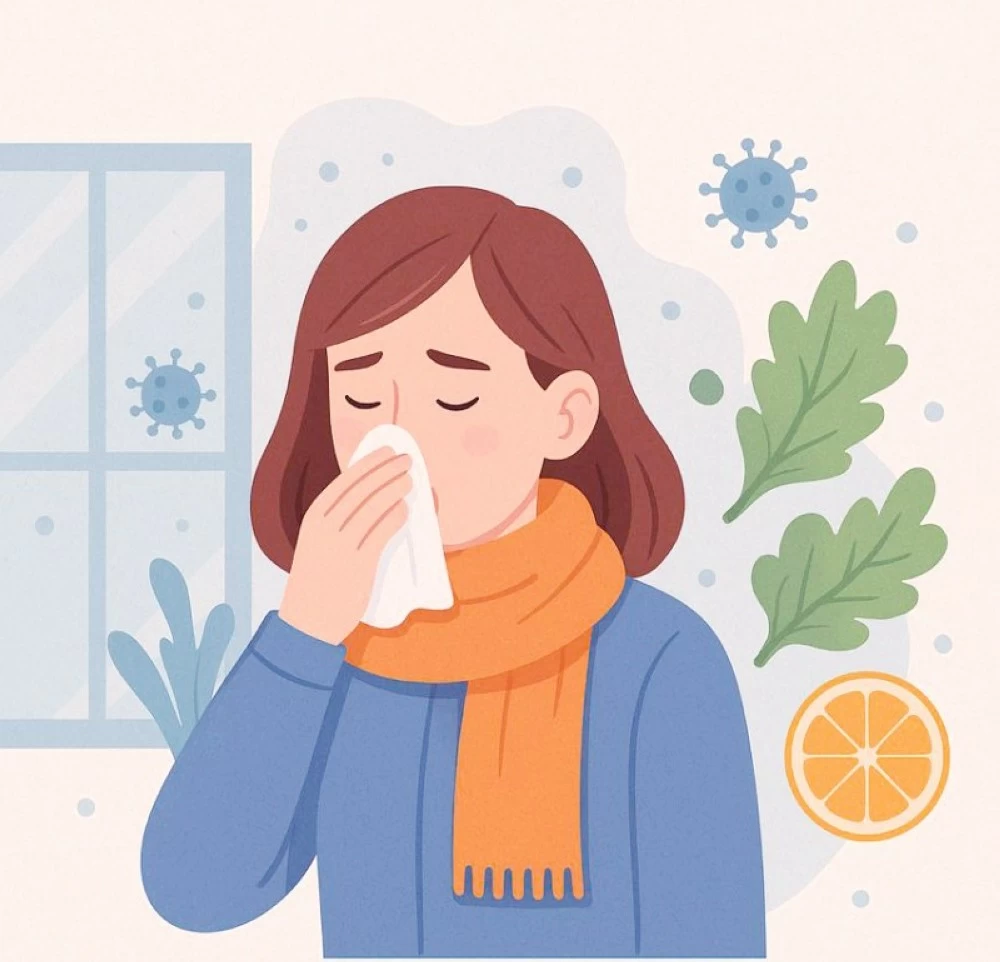
مع انخفاض درجات الحرارة ودخول فصل الشتاء، حذّر مختصون في الصحة العامة — وفق ما نقلته «عكاظ» — من تزايد فرص الإصابة بنزلات البرد والإنفلونزا الموسمية، مؤكدين أهمية تعزيز المناعة والوقاية من العدوى عبر ممارسات صحية بسيطة لكنها فعّالة. وأوضح الأطباء، أن أبرز مسببات العدوى في الشتاء هي الأماكن المغلقة وضعف التهوية، إلى جانب إهمال غسل اليدين واستخدام الأدوات الشخصية المشتركة، ما يجعل انتقال الفايروسات أسرع خصوصاً بين الأطفال وكبار السن.
وينصح الخبراء بضرورة الحصول على لقاح الإنفلونزا الموسمية سنوياً، وتجنّب الاختلاط في حال ظهور أعراض الزكام أو الحمى، مع الحفاظ على التدفئة المعتدلة وشرب كميات كافية من الماء لتجنّب جفاف الأغشية المخاطية. كما شددوا على أهمية تناول الغذاء الغني بفيتامين «سي» والخضروات الطازجة لدعم جهاز المناعة، إلى جانب ممارسة النشاط البدني المعتدل حتى في الأجواء الباردة.
وأشار مختصون إلى أن التهاون في الوقاية يؤدي إلى مضاعفات قد تمتد إلى التهابات رئوية أو مشكلات في الجيوب الأنفية، مؤكدين أن الوقاية تبدأ من الوعي والاهتمام بنظافة البيئة الشخصية والمحيط الأسري.
With the drop in temperatures and the onset of winter, public health specialists have warned — according to what was reported by "Okaz" — of an increased risk of catching colds and seasonal flu, emphasizing the importance of boosting immunity and preventing infections through simple yet effective health practices. Doctors explained that the main causes of infection in winter are closed spaces and poor ventilation, along with neglecting handwashing and using shared personal items, which makes the transmission of viruses faster, especially among children and the elderly.
Experts recommend getting the seasonal flu vaccine annually and avoiding close contact if symptoms of a cold or fever appear, while maintaining moderate heating and drinking sufficient amounts of water to avoid drying out the mucous membranes. They also stressed the importance of consuming food rich in vitamin "C" and fresh vegetables to support the immune system, in addition to engaging in moderate physical activity even in cold weather.
Specialists pointed out that negligence in prevention can lead to complications that may extend to pneumonia or sinus issues, affirming that prevention starts with awareness and attention to personal hygiene and the family environment.