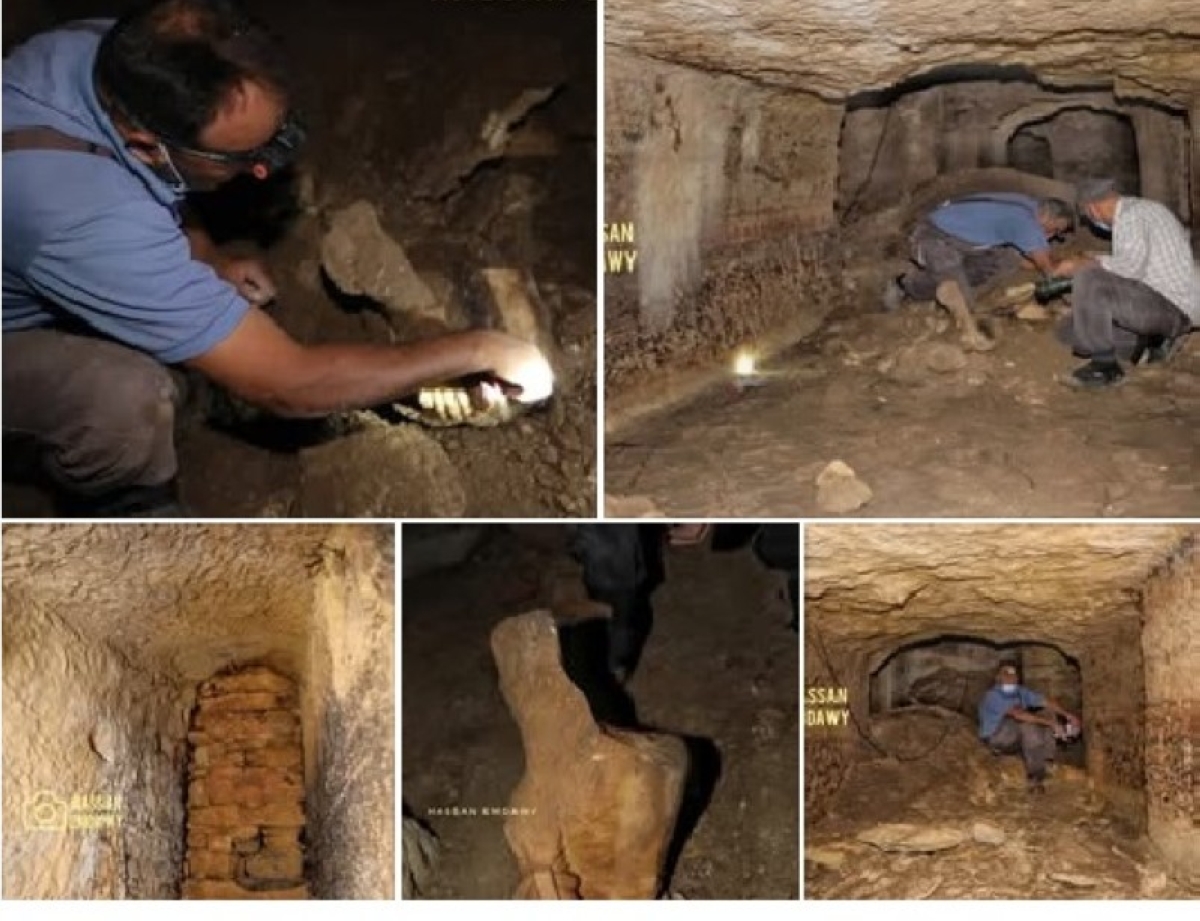
في اكتشاف أثري يصفه الخبراء بأنه «الأبرز منذ سنوات»، أعلنت بعثة الآثار في مدينة شحات الليبية العثور على موقع أثري جديد مدفون تحت سطح الأرض داخل المنطقة المعروفة باسم قورينا القديمة، المصنفة على قائمة التراث العالمي لليونسكو.
وقال مدير مراقبة الآثار بمدينة شحات أُنس حامد بوعجائب إن فريقاً من الباحثين تمكّن خلال أعمال الترميم من تحديد موقع أثري فريد داخل منطقة شحات الأثرية، يُعتقد أنه يعود إلى الحقبة الرومانية أو الإغريقية، ويضم قاعات حجرية وتماثيل وأجزاء معمارية متقنة.
وأوضح بوعجائب أن الموقع المكتشف عبارة عن مساحة دائرية تحتوي على دهاليز تؤدي إلى قاعات داخلية، مشيراً إلى أن فرق التنقيب عثرت على تمثالين نصفيين على الطراز اليوناني وعدد من القطع الفخارية.
وأضاف مدير مراقبة الآثار أن الموقع «ربما كان ضريحاً أو معبداً صغيراً» يعود إلى فترة الازدهار التجاري التي عرفتها مدينة قورينا، مشيراً إلى أن أعمال الترميم تحتاج إلى إمكانات فنية وتمويلية ضخمة لضمان الحفاظ على الموقع من التدهور.
وتقع قورينا القديمة على سفوح الجبل الأخضر شمال شرقي ليبيا، وكانت من أبرز المدن اليونانية قبل أن تتحول إلى مدينة رومانية في القرن السابع قبل الميلاد. وتشتهر بآثارها المعمارية المدهشة التي جعلتها من أهم نقاط التبادل الثقافي والتجاري في حوض المتوسط.
وبحسب بوعجائب، فإن الموقع الجديد يُضاف إلى سلسلة من الاكتشافات التي تلت إعصار «دانيال» العام الماضي، والذي كشف مواقع أثرية عدة في المنطقة الجبلية الشرقية، ما يعيد الأمل في إحياء الاهتمام الدولي بالمواقع الليبية المدرجة على قائمة اليونسكو.
وأكد مدير مراقبة الآثار أن الاكتشاف يعزز مكانة ليبيا كأحد أهم البلدان الغنية بالمواقع التاريخية رغم الظروف الأمنية والاقتصادية الصعبة، مشيراً إلى أن البعثة الأثرية تستعد لبدء عمليات توثيق وتنقيب تفصيلية خلال الأشهر المقبلة.
In an archaeological discovery described by experts as "the most significant in years," a team from the archaeological mission in the Libyan city of Shahat announced the finding of a new archaeological site buried beneath the surface within the area known as ancient Cyrene, which is listed as a UNESCO World Heritage site.
The director of archaeological monitoring in Shahat, Anas Hamid Boujaieb, stated that a team of researchers was able to identify a unique archaeological site during restoration work, believed to date back to the Roman or Greek era, featuring stone halls, statues, and intricate architectural fragments.
Boujaieb explained that the discovered site consists of a circular area containing corridors leading to internal halls, noting that excavation teams found two busts in the Greek style and several pottery pieces.
The archaeological monitoring director added that the site "may have been a shrine or a small temple" dating back to the period of commercial prosperity that the city of Cyrene experienced, pointing out that restoration work requires significant technical and financial resources to ensure the site's preservation from deterioration.
Ancient Cyrene is located on the slopes of the Green Mountain in northeastern Libya and was one of the prominent Greek cities before it became a Roman city in the seventh century BC. It is famous for its stunning architectural ruins, which made it one of the most important points of cultural and commercial exchange in the Mediterranean basin.
According to Boujaieb, the new site adds to a series of discoveries that followed Hurricane "Daniel" last year, which revealed several archaeological sites in the eastern mountainous region, rekindling hope for renewed international interest in Libyan sites listed by UNESCO.
The archaeological monitoring director confirmed that the discovery enhances Libya's status as one of the most important countries rich in historical sites despite the difficult security and economic conditions, noting that the archaeological mission is preparing to begin detailed documentation and excavation operations in the coming months.