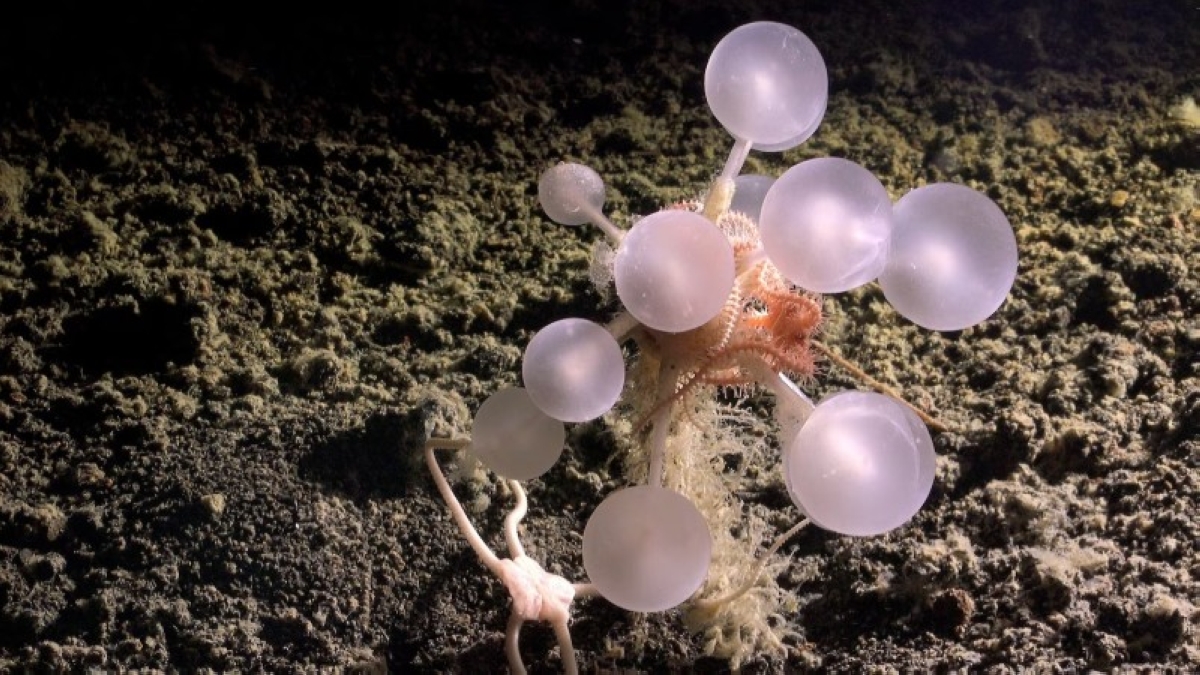
أكد علماء المحيطات اكتشاف 30 نوعا جديدا من الكائنات البحرية في أعماق المحيط الجنوبي، بما في ذلك إسفنجة لحمية تُدعى «كرة الموت»، والتي تُعد أحد أغرب الوحوش الطبيعية التي رُصدت في بيئاتها القاسية.
جاء هذا الإعلان بناء على بعثة استكشافية أُجريت في وقت سابق هذا العام، إذ جمع الباحثون نحو 2000 عينة من 14 مجموعة حيوانية، مما يؤكد أن هذا المحيط الجليدي لا يزال يحتفظ بأسرار غير مكتشفة بنسبة تزيد على 70%، وذلك وفقا لتقرير نشرته شبكة «إيه بي سي نيوز» الأمريكية.
وأُجريت البعثة الاستكشافية بالتعاون بين مؤسسة «نيبون فاونديشن-نيكتون أوشن سنسوس» ومعهد «شميدت أوشن إنستيتيوت»، باستخدام السفينة البحثية «آر في فالكور (تو)»، إذ ركزت الرحلة على جزر الساندويتش الجنوبية، والمناطق المحاطة ببراكين وينابيع حرارية.
ووفقا للبعثة الاستكشافية، فإن تلك المناطق تمثل بيئات قاسية تجعل الوصول إليها تحديا هائلا، لكن التكنولوجيا المتقدمة مثل الخرائط الدقيقة لقاع البحر والتصوير عالي الدقة سمحت بجمع عينات غير مسبوقة.
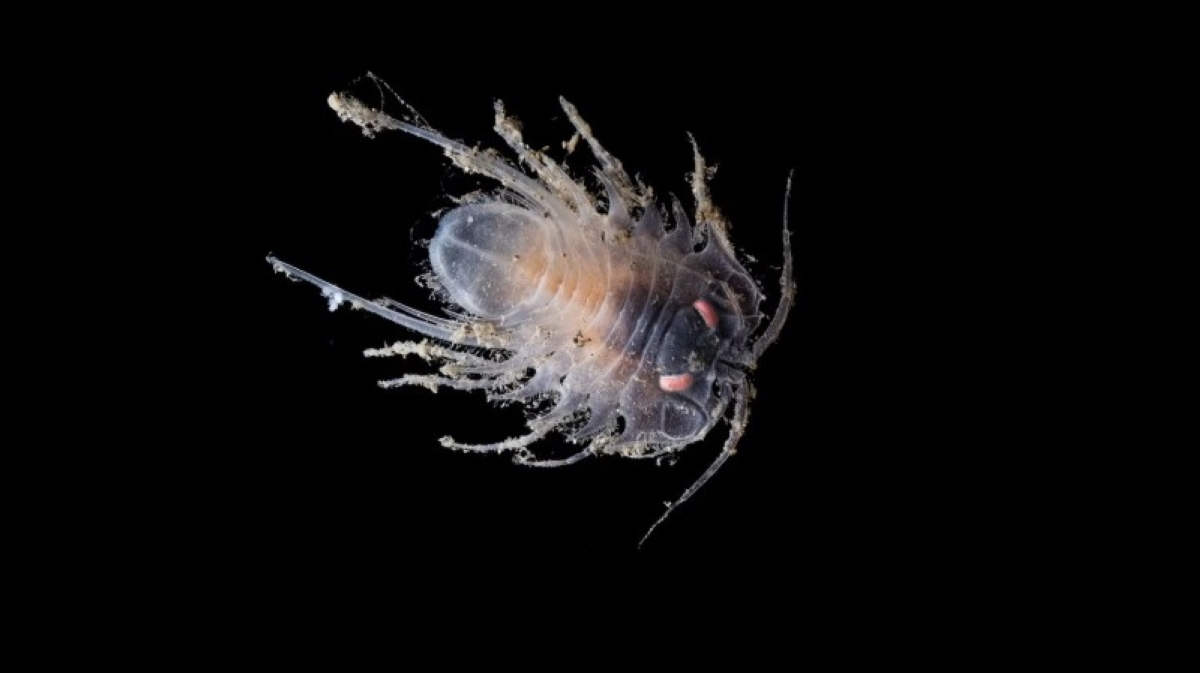
ومن بين الاكتشافات البارزة، تبرز «الإسفنجة اللحمية»، المعروفة باسم «إسفنجة كرة الموت»، التي تُشكل كرة كروية مغطاة بأشواك دقيقة لاصطياد فريستها، خلافا لمعظم الإسفنجيات التي تعتمد على الترشيح السلبي، كما شملت الاكتشافات دودة قشرية لامعة مدرعة «يولاجيسكا سب نوف»، ثلاثة أنواع من «نجوم البحر»، و«قشريات مثل الإيزوبود والأمفيبود»، حلزونات و«بلح بحري» نادرة متكيفة مع البراكين، و«مرجان أسود محتمل الجدة».
ورصدت البعثة الاستكشافية دودة «الزومبي» المعروفة علميا باسم «أوسيداكس سب»، التي تعتمد على بكتيريا تتغذى على دهون عظام الحيتان، وهي نادرة الرؤية بسبب عمقها الشديد، إلى جانب أول رصد مؤكد لأخطبوط عملاق صغير.
وتُعد هذه الاكتشافات خطوة هائلة في فهم التنوع البيولوجي البحري، إذ أظهرت كيف تتكيف الكائنات مع الضغط الهائل والظلام الأبدي في أعماق المحيط الجنوبي.
وقالت المديرة التنفيذية لمعهد شميدت أوشن جيوتيكا فيرماني: «الهدف المشترك مع أوشن سنسوس لتسريع الاكتشافات أدى إلى أول رصد مؤكد لأخطبوط عملاق صغير وأنواع جديدة، ويُظهر ما يصبح ممكنا عندما تتعاون التكنولوجيا والوقت البحري والشبكة العلمية العالمية».
من جانبها، أوضحت رئيسة العلوم في نيبون فاونديشن-نيكتون أوشن سنسوس ميشيل تايلور بأنه تم تقييم أقل من 30% من العينات المجموعة، لذا تأكيد 30 نوعا جديدا يُظهر مدى التنوع غير الموثق.
Ocean scientists have confirmed the discovery of 30 new species of marine organisms in the depths of the Southern Ocean, including a fleshy sponge known as the "ball of death," which is considered one of the strangest natural monsters observed in its harsh environments.
This announcement came based on an exploratory mission conducted earlier this year, during which researchers collected nearly 2,000 samples from 14 animal groups, confirming that this icy ocean still holds over 70% of undiscovered secrets, according to a report published by the American network "ABC News."
The exploratory mission was conducted in collaboration between the Nippon Foundation-Nekton Ocean Census and the Schmidt Ocean Institute, using the research vessel "RV Falkor (too)," with the journey focusing on the South Sandwich Islands and areas surrounded by volcanoes and hydrothermal vents.
According to the exploratory mission, these areas represent harsh environments that make access a tremendous challenge, but advanced technology such as detailed seabed mapping and high-resolution imaging allowed for the collection of unprecedented samples.
Among the notable discoveries is the "fleshy sponge," known as the "ball of death," which forms a spherical ball covered with fine spines to catch its prey, unlike most sponges that rely on passive filtration. The discoveries also included a shiny armored worm named "Yolagiska sp. nov," three species of "starfish," and "crustaceans such as isopods and amphipods," rare snails and "sea cucumbers" adapted to volcanic environments, and "potentially new black coral."
The exploratory mission also observed the "zombie worm," scientifically known as "Osedax sp," which relies on bacteria that feed on the fats of whale bones and is rarely seen due to its extreme depth, along with the first confirmed sighting of a small giant octopus.
These discoveries represent a significant step in understanding marine biodiversity, as they demonstrate how organisms adapt to the immense pressure and eternal darkness of the Southern Ocean depths.
Jotiika Vermani, the executive director of the Schmidt Ocean Institute, stated: "The shared goal with Ocean Census to accelerate discoveries has led to the first confirmed sighting of a small giant octopus and new species, showing what becomes possible when technology, marine time, and the global scientific network collaborate."
For her part, Michelle Taylor, head of science at the Nippon Foundation-Nekton Ocean Census, explained that less than 30% of the collected samples have been assessed, so the confirmation of 30 new species shows the extent of undocumented diversity.