مع انتشار ادعاءات «الأطعمة السحرية للدماغ» على الإنترنت – مثل أن الأطعمة الحارة تُبعد الخرف، والتوت يُعزز الإدراك، والمكملات تُحسن الذاكرة – يبقى السؤال: هل يمكن لأطعمة أو أنظمة غذائية معينة منع الخرف فعلاً؟.
الخرف هو القاتل الأول في بريطانيا، لكن بحسب الأبحاث، يمكن منع ما يصل إلى 4 من كل 10 حالات بتغييرات بسيطة في نمط الحياة، بما في ذلك النظام الغذائي، ورغم عدم وجود «نظام مضاد للزهايمر»، إلا أن الدراسات تُظهر أن تعديلات غذائية محددة تقلل خطر الإصابة.
وتشير دراسات حديثة إلى أن الأشخاص المصابون بأمراض مثل أمراض القلب، ارتفاع ضغط الدم، السمنة، والسكري – والتي تصيب أكثر من مليوني بريطاني – أكثر عرضة للتدهور الإدراكي المرتبط بالعمر، ولا حاجة لتغيير جذري بين ليلة وضحاها، يقول خبراء التغذية والشيخوخة، لكن تقليل بعض الأطعمة الضارة أمر أساسي.
وفي هذا الإطار ينصح خبراء صحيون بتجنب بعض الأطعمة للحفاظ على الدماغ وتجنب الخرف، وهي:
إليك ما ينصحون بتجنبه – ولماذا.
المشروبات الغازية والمحلاة
منذ فترة طويلة، تُلام المشروبات المحلاة مثل الكوكا كولا أو سبرايت على زيادة الوزن وتسوس الأسنان. لكن أبحاثًا متزايدة تربطها أيضًا بـ«خطر أعلى للإصابة بالخرف».
وبحسب صحيفة «ديلي ميل» يقول محاضر التغذية والشيخوخة في جامعة نيوكاسل الدكتور أوليفر شانون: «قد يكون ذلك بسبب تأثيرها على مستويات السكر في الدم والأنسولين، أو بشكل غير مباشر عبر زيادة خطر السمنة – وهو عامل معروف للخرف، وهناك دراسة أظهرت أن من يشربون مشروبين محليين أو أكثر يوميًا لديهم خطر أعلى بنسبة 34% للإصابة بالخرف مقارنة بمن لا يشربونها».
وتشمل المشروبات المحلاة: الغازي، العصائر المركزة، وحتى الشاي والقهوة إذا أُضيف إليهما السكر، وفي سبتمبر 2025، تابع باحثون برازيليون عادات نحو 13,000 بالغ، واكتشفوا أن تناول «السكر المضاف – حتى علبة واحدة يوميًا من المشروبات الدايت – يرتبط بـ»خطر أعلى بنسبة 62%" لشيخوخة الدماغ، أي ما يعادل 1.6 سنة إضافية من الشيخوخة، وكان الخطر أعلى لدى مرضى السكري الذين يستخدمون المُحليات الصناعية.
وتؤثر شيخوخة الدماغ على الذاكرة، الانتباه، وتعدد المهام، مما يزيد من التعرض لأمراض مثل الخرف، وفي هذا الإطار تقول هيئة الخدمات الصحية الوطنية (NHS) إن أكثر من 20% من السكر المضاف في نظام البالغين يأتي من المشروبات الغازية والعصائر – وتصل النسبة إلى ثلث السكر لدى المراهقين (11-18 عامًا).
اللحوم المصنعة وحتى البدائل النباتية
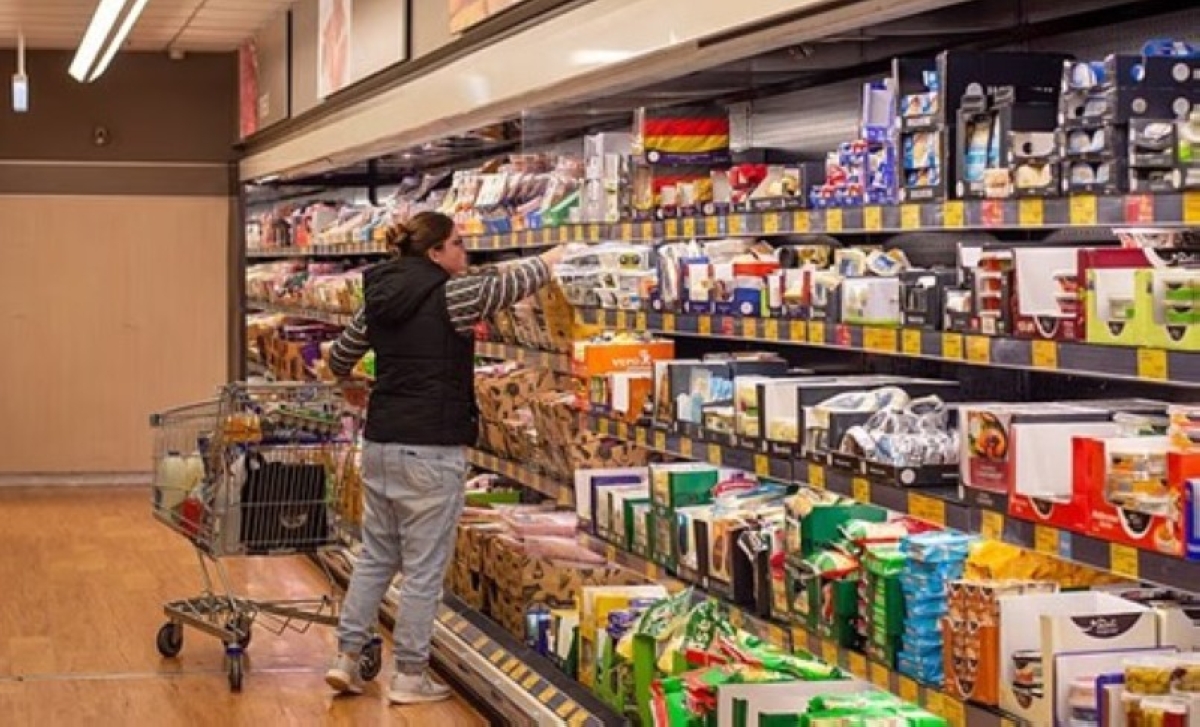
ينصح الدكتور شانون بالتخلي عن الفطور الإنجليزي التقليدي وأطباق الشاركوتيري إذا أردت تقليل خطر الخرف، ويوضح أن اللحوم المصنعة تشمل: النقانق، البيكون، السلامي، الشوریزو، الهوت دوغ، اللحوم المعلبة، والباتيه، وهي أي لحم حيواني عُولج لزيادة مدة صلاحيته أو تحسين طعمه، غالبًا بإضافة مواد حافظة مثل النترات.
ويقول شانون: «ربطت دراسات استهلاك اللحوم المصنعة بانخفاض أكبر في الوظائف الإدراكية مع التقدم في العمر، وربما بسبب تأثيرات سلبية على ضغط الدم، الكوليسترول، وتكوين مركبات NOCs الضارة».
الحلويات والمعجنات والشوكولاتة المُحلاة
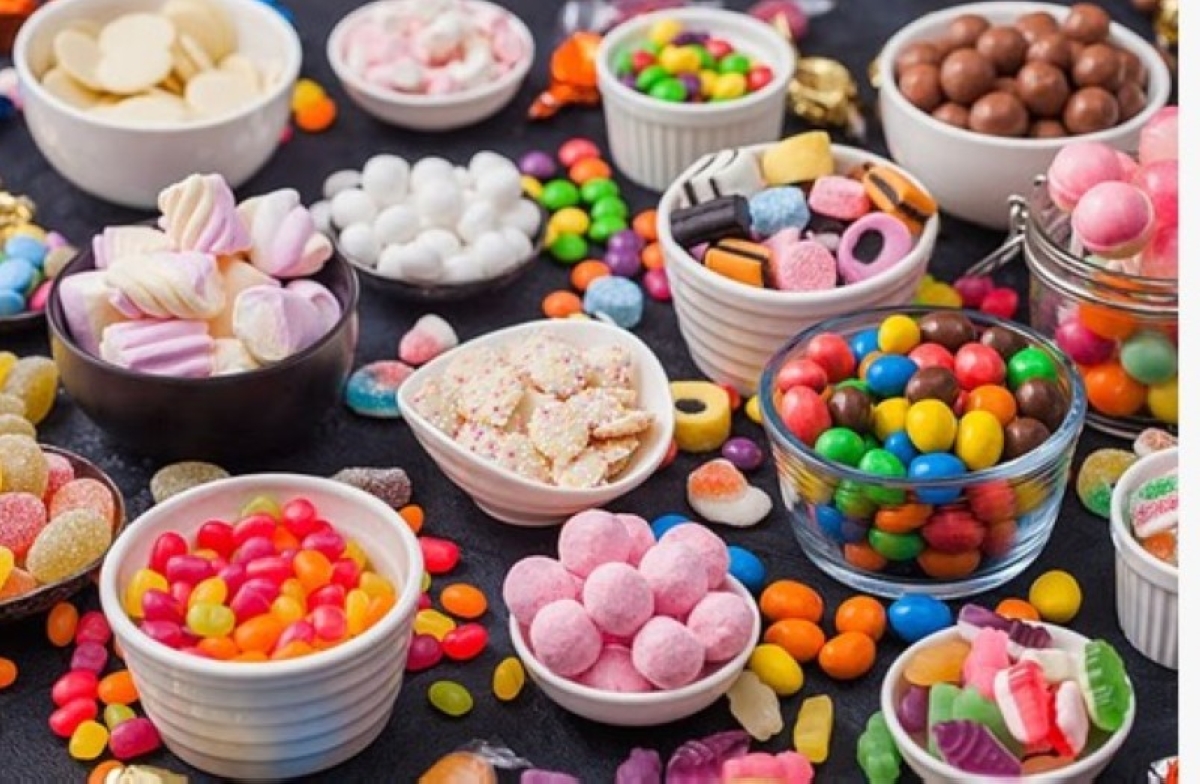
لا مفاجأة أن الخبراء يضعون الحلويات السكرية على قائمة التجنب، فالحلوى، المعجنات، والشوكولاتة غنية بالسكريات الحرة (المضافة)، وليس الطبيعية الموجودة في الفواكه أو الألبان.
وفي هذا الإطار تقول كيم بيرسون، خبيرة تغذية في لندن: «مع الوقت، تؤدي هذه الأطعمة إلى زيادة الوزن وتقلبات مستمرة في سكر الدم – وكلاهما عاملان للخرف. التقلبات تُسبب التهابات وتضر بالأوعية الدموية التي تغذي الدماغ. ضعف التحكم في سكر الدم مرتبط بشدة بالتدهور الإدراكي، وبعض الباحثين يسمون الزهايمر 'سكري النوع الثالث'».
رغم أن المصطلح غير رسمي، إلا أن دراسات من كلية جونز هوبكنز أظهرت أن المصابين بالسكري في منتصف العمر أكثر عرضة لمشاكل كبيرة في الذاكرة والإدراك خلال 20 عامًا، لذا يًنصح بألا يزيد على 6 ملاعق صغيرة سكر يوميًا للبالغين.
With the spread of claims about "magic brain foods" online – such as spicy foods warding off dementia, berries enhancing cognition, and supplements improving memory – the question remains: Can certain foods or diets actually prevent dementia?
Dementia is the leading killer in Britain, but according to research, up to 4 in 10 cases can be prevented with simple lifestyle changes, including diet. While there is no "anti-Alzheimer's diet," studies show that specific dietary modifications reduce the risk of developing it.
Recent studies indicate that individuals with conditions such as heart disease, high blood pressure, obesity, and diabetes – which affect over two million Britons – are more likely to experience age-related cognitive decline. Experts in nutrition and aging say that there is no need for a drastic overnight change, but reducing certain harmful foods is essential.
In this context, health experts recommend avoiding certain foods to maintain brain health and prevent dementia, which are:
Here’s what they advise avoiding – and why.
Sugary and Carbonated Drinks
For a long time, sugary drinks like Coca-Cola or Sprite have been blamed for weight gain and tooth decay. However, increasing research also links them to "a higher risk of dementia."
According to the Daily Mail, Dr. Oliver Shannon, a nutrition and aging lecturer at Newcastle University, says: "This may be due to their effect on blood sugar and insulin levels, or indirectly through increasing the risk of obesity – a known factor for dementia. There’s a study that showed those who consume two or more sugary drinks daily have a 34% higher risk of dementia compared to those who do not consume them."
Sweetened beverages include: soda, concentrated juices, and even tea and coffee if sugar is added. In September 2025, Brazilian researchers tracked the habits of around 13,000 adults and found that consuming "added sugar – even one can a day of diet drinks – is associated with a 62% higher risk" for brain aging, equivalent to an additional 1.6 years of aging. The risk was higher among diabetic patients using artificial sweeteners.
Brain aging affects memory, attention, and multitasking, increasing exposure to diseases such as dementia. In this regard, the National Health Service (NHS) states that over 20% of added sugar in adults' diets comes from sugary drinks and juices – with the figure rising to a third of sugar intake among teenagers (ages 11-18).
Processed Meats and Even Plant-Based Alternatives
Dr. Shannon advises giving up the traditional English breakfast and charcuterie boards if you want to reduce the risk of dementia. He explains that processed meats include: sausages, bacon, salami, chorizo, hot dogs, canned meats, and pâté, which are any animal meats that have been processed to extend their shelf life or enhance their flavor, often by adding preservatives like nitrates.
Shannon states: "Studies have linked the consumption of processed meats to a greater decline in cognitive functions with age, possibly due to negative effects on blood pressure, cholesterol, and the formation of harmful NOCs compounds."
Sweets, Pastries, and Sugary Chocolate
It’s no surprise that experts place sugary sweets on the avoid list, as candies, pastries, and chocolate are rich in free sugars (added), not the natural sugars found in fruits or dairy.
In this context, Kim Pearson, a nutritionist in London, says: "Over time, these foods lead to weight gain and constant fluctuations in blood sugar – both of which are risk factors for dementia. The fluctuations cause inflammation and damage the blood vessels that nourish the brain. Poor blood sugar control is strongly linked to cognitive decline, and some researchers refer to Alzheimer’s as 'Type 3 diabetes'."
Although the term is unofficial, studies from Johns Hopkins University have shown that those with diabetes in midlife are more likely to experience significant memory and cognitive issues over 20 years, so it is recommended that adults do not exceed 6 teaspoons of sugar daily.