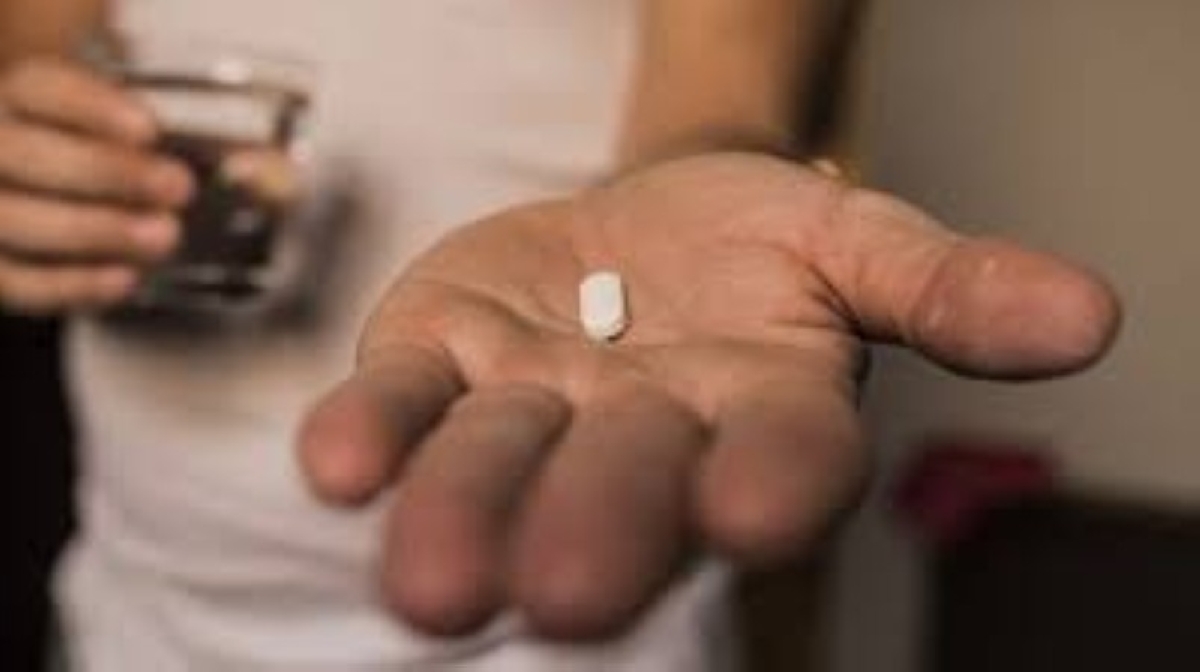
في اكتشاف يعيد النظر في فعالية الطب التقليدي، كشفت دراسة حديثة نشرت في مجلة «General Psychiatry» أن حبة «يويجو» الصينية القديمة، التي استخدمت لأكثر من 800 عام في علاج الاكتئاب والقلق، قد تكون أكثر فعالية من الأدوية الحديثة في بعض الحالات، خاصة لمرضى اضطراب الاكتئاب الشديد (MDD) الذين يعاني منه أكثر من 21 مليون أمريكي.
الطب الصيني القديم
تعود صيغة «يويجو» إلى نصوص الطب الصيني الكلاسيكية، حيث تُعتبر علاجاً تقليدياً يعمل على استعادة تدفق «تشي» (الطاقة الحيوية) وتوازن الأنظمة العاطفية والفسيولوجية في الجسم.
تتكون الحبة من 5 أعشاب رئيسية: السعد المدور (xiang fu)، واللجوستيكوم (chuan xiong)، والغاردينيا (zhi zi)، والأتراكتيلوديس (cang zhu)، والبوبليوروم (chai hu)، وتعمل هذه المكونات مجتمعة على تنظيم المزاج، تحسين الدورة الدموية، تقليل الالتهابات، وتخفيف الإرهاق والاضطرابات الهضمية المرتبطة بالتوتر.
دواء صيني لعلاج الاكتئاب
وبحسب صحيفة «ديلي ميل» أجرى الدراسة الجديدة باحثون صينيون في مستشفى الشعب الرابع بمدينة تايتشو، حيث شارك 28 مريضاً مصابين بالاكتئاب، وقُسم المشاركون إلى مجموعتين: الأولى تلقت «يويجو» مع دواء وهمي بدلاً من الإسيتالوبرام (المعروف باسم ليكسابرو أو سيبراليكس في أمريكا)، والثانية تلقت الإسيتالوبرام مع دواء وهمي بدلاً من «يويجو».
وتابع الباحثون التغييرات باستخدام مقياس هاملتون للاكتئاب (HAMD-24)، بالإضافة إلى تحاليل دم وتصوير بالرنين المغناطيسي للدماغ، وأظهرت كلتا المجموعتين تحسناً في أعراض الاكتئاب، لكن مجموعة «يويجو» سجلت زيادة ملحوظة في بروتين عامل التغذية العصبية المشتق من الدماغ (BDNF)، الذي يرتبط بتنظيم المزاج وصحة الدماغ، بنسبة تصل إلى 20.5% في المتوسط.
كما كشفت صور الرنين المغناطيسي عن أنماط شبكات دماغية – خاصة تلك المسؤولة عن معالجة الرؤية – تتنبأ بدقة بتحسن الاكتئاب وتغيرات BDNF لدى مستخدمي «يويجو».
وقال كبير الباحثين في الدراسة الدكتور يوشوان تشانغ: «يمكن إدخال هذه الشبكات الدماغية في نماذج تنبؤية لبناء توقعات دقيقة لاستجابة المرضى لعلاج يويجو، مما يساعد في تحديد ما إذا كان المريض مناسباً لهذا العلاج أم لا».
ووفقاً لإدارة خدمات إساءة استعمال المواد والصحة النفسية الأمريكية (SAMHSA)، عانى نحو 8.2% من البالغين الأمريكيين (أي 21.4 مليون شخص) من نوبة اكتئاب شديدة خلال عام 2024.
أعراض أخرى للاكتئاب
ويتجاوز الاكتئاب مجرد الشعور بالحزن، إذ يشمل أعراضاً مثل المزاج الحزين المستمر، فقدان الاهتمام بالأنشطة، الإرهاق، تغيرات الشهية أو الوزن، الأرق أو النوم الزائد، الشعور بالذنب، صعوبة التركيز، وبعض الحالات تفكير متكرر في الموت أو الانتحار.
وتُعد مثبطات إعادة امتصاص السيروتونين الانتقائية (SSRIs) الخط الأول في العلاج، حيث يتصدر السيروترالين (زولوفت) قائمة الأدوية الأكثر صرفاً بنسبة 16.7% من الوصفات عام 2023، بينما يتناول نحو 9 ملايين أمريكي الإسيتالوبرام (ليكسابرو)، ومع ذلك، يفشل ثلث المرضى تقريباً في الاستجابة للدواء الأول، مما يبرز الحاجة الملحة لخيارات بديلة.
يُقدر العبء الاقتصادي لاضطراب الاكتئاب الشديد في أمريكا بنحو 333.7 مليار دولار سنوياً، وفق دراسة أجريت عام 2019، تشمل تكاليف الرعاية الصحية، فقدان الإنتاجية، والغياب عن العمل. وتأتي «يويجو» كخيار محتمل لتخفيف هذا العبء، خاصة مع انتشارها الواسع وتكلفتها المنخفضة.
In a discovery that reconsiders the effectiveness of traditional medicine, a recent study published in the journal "General Psychiatry" revealed that the ancient Chinese herb "Youjiu," which has been used for over 800 years to treat depression and anxiety, may be more effective than modern medications in some cases, especially for patients with Major Depressive Disorder (MDD), which affects more than 21 million Americans.
Ancient Chinese Medicine
The formula for "Youjiu" dates back to classical Chinese medical texts, where it is considered a traditional remedy that works to restore the flow of "Qi" (vital energy) and balance the emotional and physiological systems in the body.
The pill consists of 5 main herbs: Cyperus rotundus (xiang fu), Ligusticum (chuan xiong), Gardenia (zhi zi), Atractylodes (cang zhu), and Bupleurum (chai hu), and these ingredients work together to regulate mood, improve circulation, reduce inflammation, and alleviate fatigue and digestive disorders related to stress.
Chinese Medicine for Treating Depression
According to the "Daily Mail," the new study was conducted by Chinese researchers at the Fourth People's Hospital in Taizhou, where 28 patients suffering from depression participated. The participants were divided into two groups: the first received "Youjiu" with a placebo instead of escitalopram (known as Lexapro or Celexa in America), while the second received escitalopram with a placebo instead of "Youjiu."
The researchers monitored changes using the Hamilton Depression Rating Scale (HAMD-24), along with blood analyses and MRI scans of the brain. Both groups showed improvement in depression symptoms, but the "Youjiu" group recorded a significant increase in Brain-Derived Neurotrophic Factor (BDNF) protein, which is associated with mood regulation and brain health, by an average of up to 20.5%.
MRI images also revealed brain network patterns—especially those responsible for processing vision—that accurately predicted improvements in depression and BDNF changes in "Youjiu" users.
The lead researcher of the study, Dr. Yushuan Chang, stated, "These brain networks can be incorporated into predictive models to build accurate expectations of patient responses to Youjiu treatment, helping to determine whether a patient is suitable for this treatment or not."
According to the Substance Abuse and Mental Health Services Administration (SAMHSA), approximately 8.2% of American adults (about 21.4 million people) experienced a major depressive episode in 2024.
Other Symptoms of Depression
Depression goes beyond just feeling sad; it includes symptoms such as persistent low mood, loss of interest in activities, fatigue, changes in appetite or weight, insomnia or excessive sleeping, feelings of guilt, difficulty concentrating, and in some cases, recurrent thoughts of death or suicide.
Selective serotonin reuptake inhibitors (SSRIs) are the first line of treatment, with sertraline (Zoloft) topping the list of most prescribed medications at 16.7% of prescriptions in 2023, while about 9 million Americans take escitalopram (Lexapro). However, nearly one-third of patients fail to respond to the first medication, highlighting the urgent need for alternative options.
The economic burden of Major Depressive Disorder in America is estimated at around $333.7 billion annually, according to a 2019 study, which includes healthcare costs, lost productivity, and absenteeism. "Youjiu" comes as a potential option to alleviate this burden, especially with its wide availability and low cost.