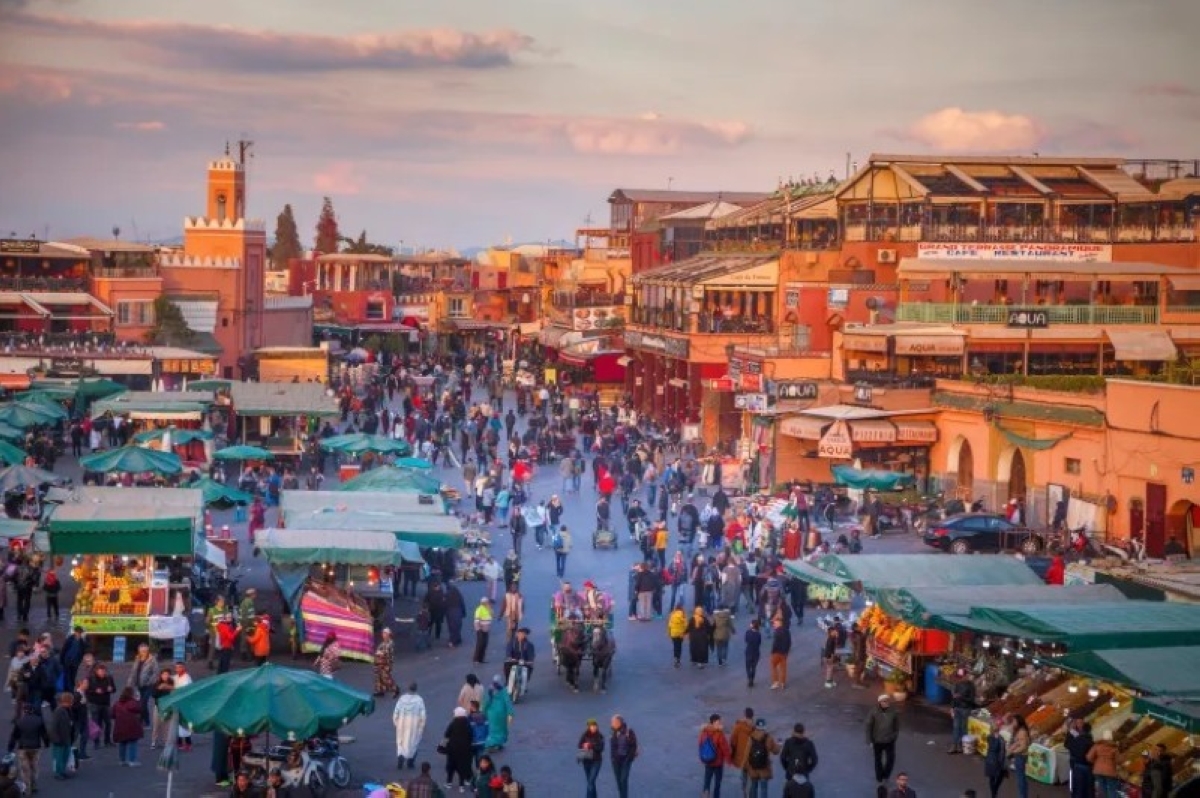
في زوايا الأسواق الشعبية بالمغرب، حيث تتداخل رائحة الزيوت مع نداءات الباعة، تتشكل ثورة رقمية لا تشبه وادي السيليكون، بل تنبض بروح الشارع المغربي. هناك، وسط أكوام البهارات وحقائب الهواتف، أصبح الذكاء الاصطناعي جزءًا من الرزق اليومي، وأداة بيد بائع العطور وبائعة الخبز وتاجر الإلكترونيات.
تشير تقارير البنك الدولي إلى أن تقنيات الذكاء الاصطناعي ستضيف أكثر من 15 تريليون دولار للاقتصاد العالمي بحلول عام 2030، فيما تقدّر شركة PwC مساهمة المنطقة العربية بنحو 320 مليار دولار خلال العقد القادم، منها 15 مليارًا في شمال أفريقيا. لكن المغرب يعيش تجربة مختلفة تقدم ذكاءً اصطناعيًا بملامح شعبية.
في قلب درب السلطان بالدار البيضاء، يبيع الشاب وليد الزيوت والعطور، لكنه يعتمد على أداة رقمية تُدعى Copy.ai لكتابة منشوراته على «فيسبوك» باللهجة المحلية. يقول مبتسمًا: «ما كنتش عارف أنها روبوت، المهم كتعاونّي نكتب بحال ناس كبار». من دون أن يدري، أصبح وليد جزءًا من الثورة الرقمية التي تربط الحرفة بالتقنية.
وفي الجنوب، من مدينة العيون، تحوّلت فاطمة من بائعة تقليدية إلى مصممة عروض محترفة باستخدام منصة Gamma.app، حيث تقدّم وصفاتها الشعبية عبر شرائح أنيقة وألوان جذابة. لا تعرف معنى «تصميم واجهات المستخدم»، لكنها استطاعت تحويل خبرتها إلى محتوى بصري يبهر الزبائن.
أما في درب غلف بالدار البيضاء، فيستعين تاجر الإلكترونيات سفيان يوميًا بتطبيق ChatGPT لترجمة المواصفات التقنية ومقارنة الأجهزة. يضحك قائلاً: «الروبوت هذا علّمني الفرق بين DisplayPort وHDMI أحسن من أي زبون!».
تؤكد دراسة صادرة عن مركز أوكسفورد إنسايتس لعام 2024 أن المغرب ضمن أوائل الدول العربية في جاهزية الذكاء الاصطناعي الحكومية، بينما توضح بيانات Statista أن أكثر من 60% من الشباب المغربي استخدموا أدوات الذكاء الاصطناعي في التعلم أو التجارة أو الخدمات الصغيرة.
إنه ذكاء مغربي بنكهة «الزنقة»، يجمع بين الفطنة الشعبية وروح الابتكار، ويحوّل الهاتف إلى مكتبٍ مصغّر، والخوارزميات إلى شريك رزق يومي. في أسواق المغرب، يلتقي الطربوش بالروبوت، وتولد من رحم الأزقة قصة تكنولوجية تليق بروح هذا الجيل الذكي.
In the corners of the popular markets in Morocco, where the scent of oils intertwines with the calls of vendors, a digital revolution is taking shape that is unlike Silicon Valley, but pulses with the spirit of the Moroccan street. There, amidst piles of spices and phone bags, artificial intelligence has become part of daily livelihood, and a tool in the hands of the perfume seller, the bread vendor, and the electronics trader.
World Bank reports indicate that artificial intelligence technologies will add more than $15 trillion to the global economy by 2030, while PwC estimates the contribution of the Arab region to be around $320 billion over the next decade, including $15 billion in North Africa. However, Morocco is experiencing a different journey that offers artificial intelligence with popular features.
In the heart of Derb Sultan in Casablanca, young Walid sells oils and perfumes, but he relies on a digital tool called Copy.ai to write his posts on Facebook in the local dialect. He smiles and says, "I didn't know it was a robot; the important thing is it helps me write like grown-ups." Unknowingly, Walid has become part of the digital revolution that connects craftsmanship with technology.
In the south, from the city of Laayoune, Fatima has transformed from a traditional seller to a professional presentation designer using the Gamma.app platform, where she presents her popular recipes through elegant slides and attractive colors. She doesn’t know the meaning of "user interface design," but she has managed to turn her experience into visual content that dazzles customers.
Meanwhile, in Derb Ghalef in Casablanca, electronics trader Soufiane relies daily on the ChatGPT app to translate technical specifications and compare devices. He laughs and says, "This robot taught me the difference between DisplayPort and HDMI better than any customer!"
A study published by Oxford Insights in 2024 confirms that Morocco is among the leading Arab countries in government readiness for artificial intelligence, while Statista data shows that more than 60% of Moroccan youth have used artificial intelligence tools in learning, trade, or small services.
It is Moroccan intelligence with a "street" flavor, combining popular savvy with a spirit of innovation, turning the phone into a mini-office and algorithms into a daily livelihood partner. In the markets of Morocco, the tarboosh meets the robot, and a technological story worthy of the spirit of this smart generation is born from the alleys.